Jubillar Case: Five Years Later, What Can Discovered Bones Reveal?
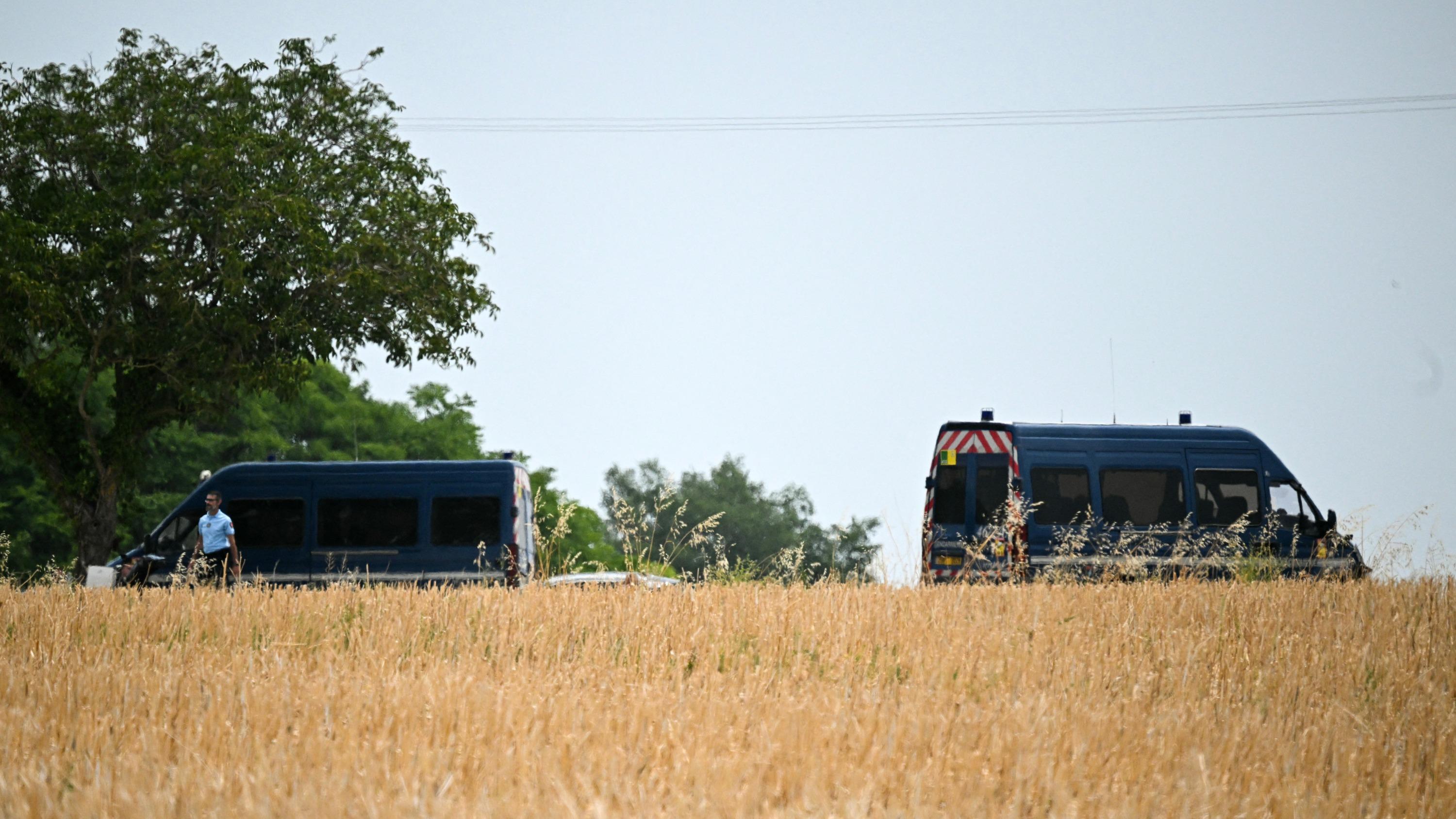
Five years after the disappearance of Delphine Aussaguel, investigators are hoping that newly discovered bones will shed light on the exact circumstances of her murder. Experts from the Research Institute for Criminalistics of the National Gendarmerie (IRCGN) are meticulously examining the remains, which have been buried for an extended period.
The scientific process involves several key stages. Formal identification of the remains is a primary objective. Concurrently, genetic and toxicological analyses will be conducted to gather further information. A crucial part of the investigation will be the search for any lesions or trauma on the skeleton, which could provide direct evidence of the cause of death or the manner in which it occurred. The hope is that these detailed analyses will finally provide definitive answers in this complex and long-standing case.
The ongoing forensic examination of skeletal remains in the Jubillar case highlights the critical role of scientific evidence in resolving protracted criminal investigations. The IRCGN's multi-faceted approach, encompassing genetic, toxicological, and pathological analyses, aims to extract maximum information from physical traces. This process underscores the tension between the passage of time and the enduring potential of scientific methods to uncover facts. The investigation's progression demonstrates how advancements in forensic science can offer new avenues for truth-seeking, even years after an event, influencing judicial processes and public perception of justice.
AI-generated to prompt reflection — not editorial opinion, not advice, not a statement of fact. How this works.