Jubillar Case: Uncertainty Over Appeal Trial After Delphine Aussaguel's Bones Found in Tarn Field
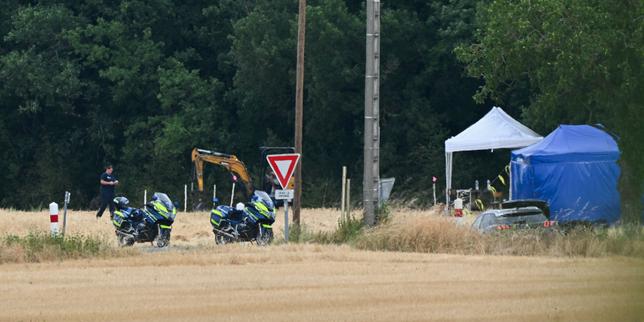
DNA analysis results have confirmed the identity of human remains discovered in a field in the Tarn region as belonging to Delphine Aussaguel. The confirmation was announced on the evening of Sunday, July 19th, by the Prosecutor General of the Toulouse Court of Appeal. The discovery followed a breakthrough in the investigation when Delphine Aussaguel's husband, Cédric Jubillar, led investigators to the location after confessing. This development casts uncertainty over the upcoming appeal trial in the case. Jubillar had been indicted in November 2021 for the murder of his wife. The initial trial was set to begin in September 2024, but the discovery of the remains and Jubillar's confession may significantly alter the legal proceedings. Further details regarding the implications for the appeal trial are expected to be released as the investigation progresses. The precise circumstances surrounding Aussaguel's death and the subsequent discovery of her remains are still under scrutiny.
The confirmation of Delphine Aussaguel's remains, following her husband Cédric Jubillar's confession and guidance to the discovery site, marks a critical juncture in the legal proceedings. This development shifts the focus from a missing person case to one with confirmed human remains, potentially impacting the trajectory of the appeal trial. The legal system now faces the task of reconciling the confession with the evidence, while ensuring due process for all parties involved. The case highlights the complex interplay between investigative breakthroughs, judicial processes, and public perception, particularly in high-profile criminal matters. Future legal strategies will likely hinge on the admissibility of the confession and the forensic evidence derived from the discovered remains.
AI-generated to prompt reflection — not editorial opinion, not advice, not a statement of fact. How this works.