Judge Blocks First State Ban on Prediction Markets
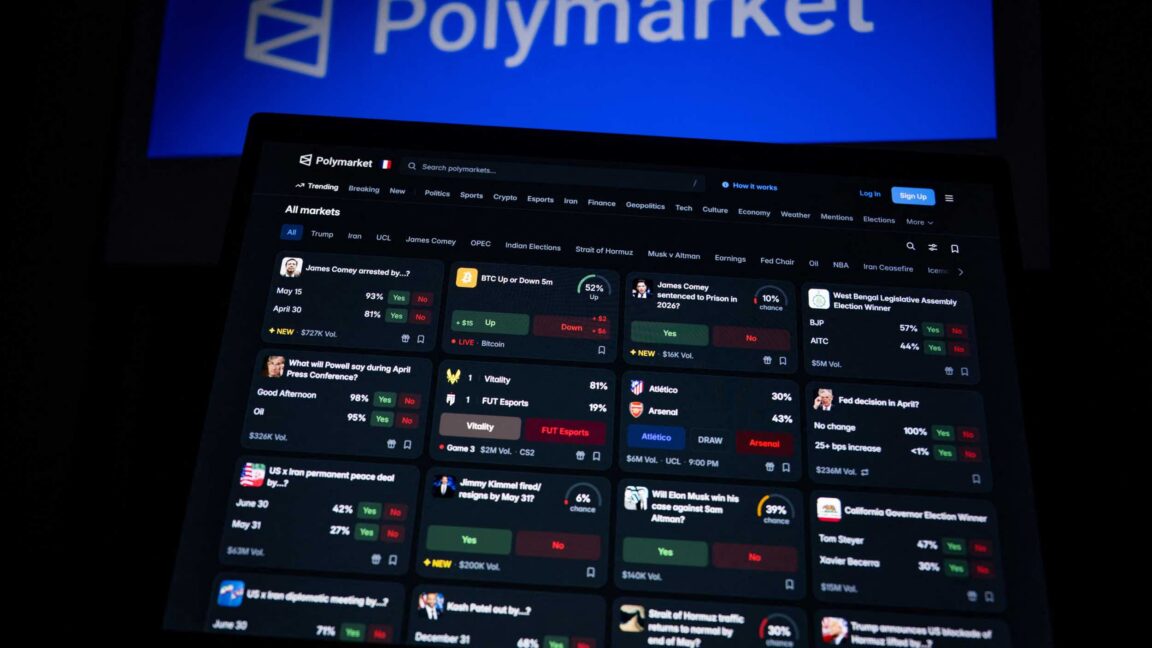
A federal judge has blocked the implementation of Minnesota's law that would have been the first in the nation to ban prediction markets. The ruling, issued by U.S. District Judge Nancy Brasel, prevents the state from enforcing the ban on these markets. Prediction markets allow users to bet on the outcomes of future events, such as elections or economic indicators. The law, which was set to take effect on July 1, 2024, aimed to classify these markets as illegal gambling. Judge Brasel stated that the law was too broad and could inadvertently prohibit other forms of legal betting or financial instruments. While the judge allowed the state to proceed with banning certain types of betting, she specifically carved out prediction markets from the prohibition. This decision offers a temporary reprieve for operators and participants in these markets within Minnesota. The case highlights the ongoing legal and regulatory challenges surrounding the classification and oversight of prediction markets in the United States. Further legal battles are anticipated as states grapple with how to regulate these innovative platforms.
This judicial decision underscores the evolving legal landscape surrounding prediction markets, which occupy a complex space between financial instruments and gambling. The ruling suggests that broad legislative attempts to ban such markets may face significant legal hurdles, particularly if they fail to distinguish between different types of speculative platforms. Future regulatory approaches may need to adopt more nuanced frameworks that consider the specific mechanisms and potential harms of various prediction market models. This could involve exploring licensing requirements, data integrity standards, or investor protection measures, rather than outright prohibition. The long-term implications will likely involve a continued tension between innovation in information aggregation and established concerns about consumer protection and market manipulation.
AI-generated to prompt reflection — not editorial opinion, not advice, not a statement of fact. How this works.