Judge Blocks Trump Administration's Plan to End Protections for Haitians and Venezuelans
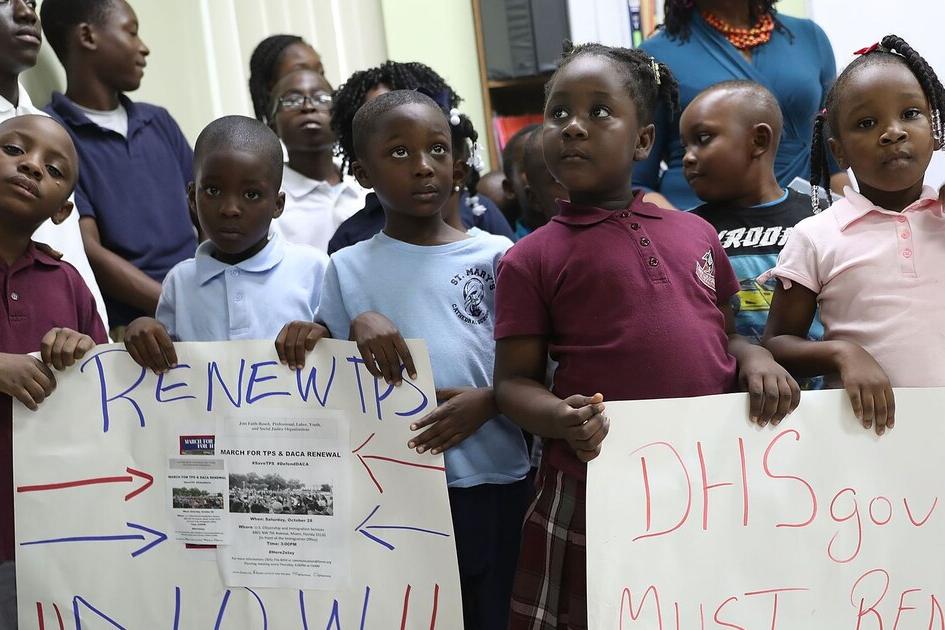
A U.S. federal judge has temporarily blocked the Trump administration's decision to terminate Temporary Protected Status (TPS) for Haitians and Venezuelans. The ruling came in response to lawsuits filed by immigrant advocacy groups and individuals challenging the legality of the administration's move. These groups argued that the termination of TPS was based on political considerations rather than a proper review of conditions in Haiti and Venezuela. The judge's order prevents the administration from ending the program for these two nationalities while the legal challenges proceed. TPS allows individuals from designated countries facing unsafe conditions to live and work legally in the United States. The decision to end TPS for Haitians was announced in November 2017, citing improvements in Haiti's recovery from a devastating earthquake and hurricane. Similarly, TPS for Venezuelans was terminated in September 2019, with the administration citing a lack of progress in Venezuela's political and economic situation. Immigrant advocates contend that conditions in both countries remain dire, making return unsafe for TPS holders. This judicial intervention offers a reprieve for thousands of individuals who rely on TPS to maintain their lives and livelihoods in the U.S. The legal battle is expected to continue, with potential implications for other TPS designations.
This judicial intervention highlights the tension between executive authority and legal challenges concerning immigration policy. The ruling underscores the importance of due process and evidence-based decision-making in administrative actions that significantly impact individuals' lives. The court's decision suggests that the administration's rationale for ending TPS may not have met the required legal standards for review, prompting a deeper examination of the conditions in Haiti and Venezuela. This case illustrates how legal frameworks can act as a check on policy changes, particularly those affecting vulnerable populations. Future policy decisions in this area will likely be scrutinized for their adherence to established legal precedents and the demonstrable reality on the ground in affected countries, influencing the broader landscape of humanitarian protections.
AI-generated to prompt reflection — not editorial opinion, not advice, not a statement of fact. How this works.