Judge Halts Cell Phone Data Extraction for "Dr. Jairinho" Pending Appeal
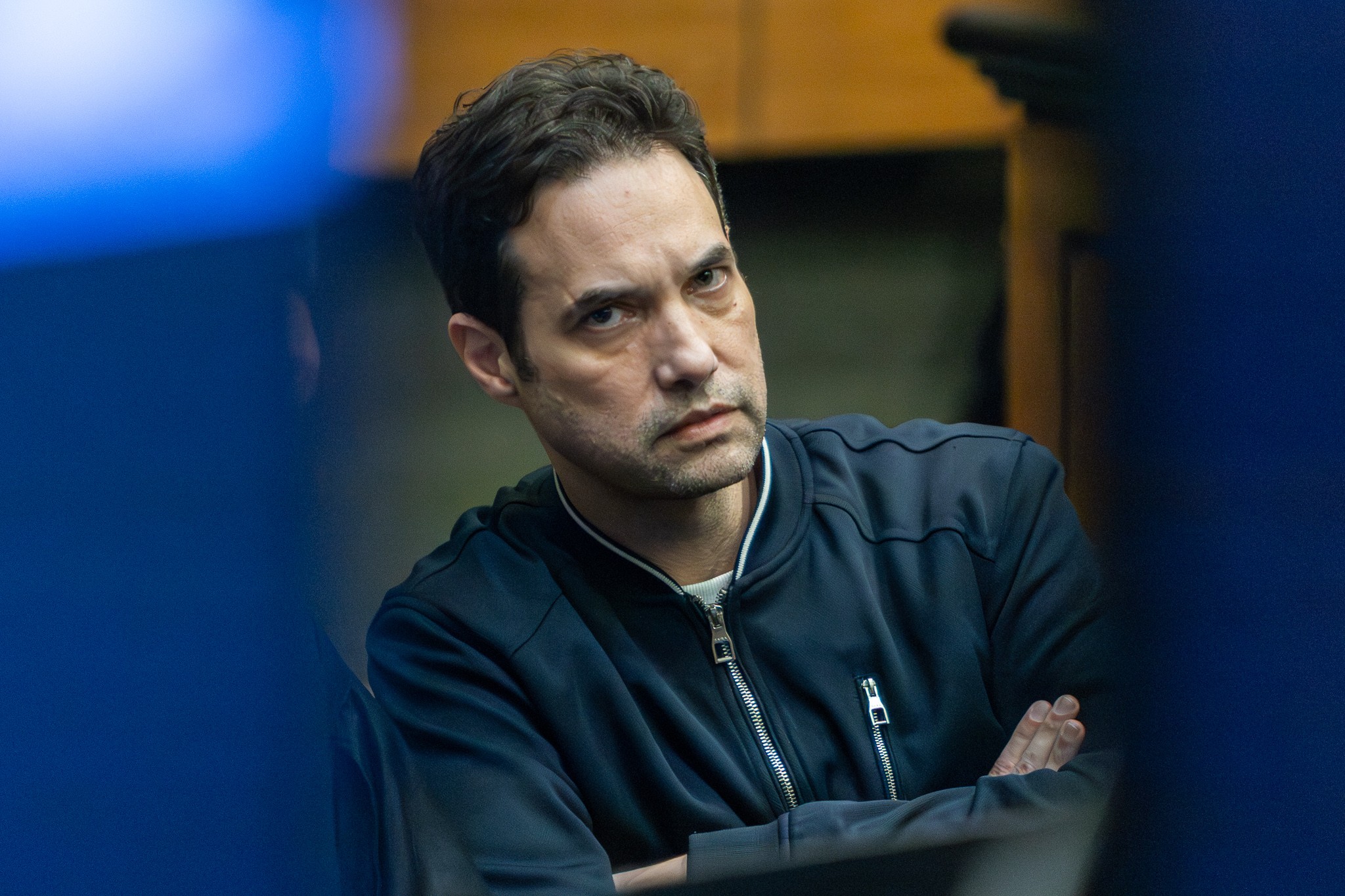
A judge in Rio de Janeiro has temporarily suspended the extraction of data from a cell phone seized from former councilman Jairo Souza Santos Júnior, widely known as "Dr. Jairinho." The decision by Judge Elizabeth Machado Louro of the 2nd Jury Court halts the analysis of the phone's contents until a habeas corpus appeal filed by Jairinho's defense is adjudicated. The defense argued that a phone seized after Jairinho's conviction should have its data handled by the Penal Execution Court, not the jury court. Judge Louro rejected this, stating the jury court's jurisdiction remains active until the sentence is final, as Jairinho is currently detained under its purview. She noted that the phone's data could be relevant to the ongoing legal process and that its contents are currently unknown. The judge also dismissed claims of procedural irregularities regarding the expert analysis by the Public Prosecutor's Office, affirming its investigatory role and the potential for subsequent state-led forensic examination. Despite rejecting the core arguments, the judge granted the suspension based on the pending habeas corpus concerning judicial competence. Jairinho was sentenced on June 4th to 43 years, 9 months, and 20 days for the murder and torture of Henry Borel. Henry's father, Leniel Borel, criticized the suspension, suspecting the defense aims to obstruct justice and hide information within the phone, suggesting Jairinho is attempting to continue operating from prison. Monique Medeiros, Henry's mother, received a sentence of 1 year and 4 months for complicity in torture, with her pre-trial detention counting as time served.
This judicial decision highlights a procedural tension between securing evidence and managing the appeals process. While the defense seeks to leverage legal avenues to delay or contest the admissibility of evidence, the prosecution and victim's family view this as an obstruction tactic. The core issue revolves around the chain of custody and the appropriate court for forensic analysis post-conviction but pre-final appeal. From a systemic perspective, such delays can impact the perceived finality of justice and potentially influence public trust in the legal system's efficiency. The judge's temporary suspension, pending a higher review, acknowledges the defense's argument on competence while still recognizing the potential evidentiary value of the seized device. This situation underscores the complex interplay between legal procedure, the rights of the accused, and the pursuit of truth in high-profile cases, particularly in the digital age where mobile devices are central to investigations.
AI-generated to prompt reflection — not editorial opinion, not advice, not a statement of fact. How this works.