Judge Halts Paramount's Warner Bros. Discovery Acquisition Amid Antitrust Concerns
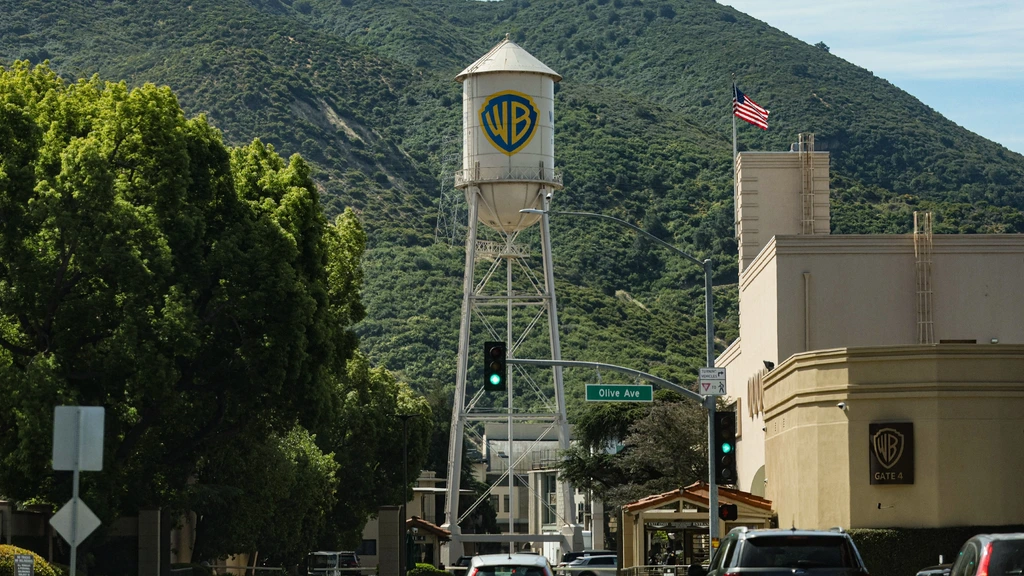
A U.S. federal judge has temporarily blocked Paramount's proposed acquisition of Warner Bros. Discovery, preventing the deal's finalization for two weeks. This pause is intended to allow the court to review objections raised by twelve U.S. states, led by California, which filed a lawsuit last week to halt the multi-billion dollar transaction. The states argue that the merger would grant Paramount excessive market power, potentially leading to price increases for consumers and reduced choices for moviegoers, thereby harming competition in Hollywood. The judge found compelling evidence that the combined entity could gain too much leverage, particularly in the distribution of major films. States also expressed concern that Paramount plans to cut jobs and share sensitive information with Warner Bros. Discovery post-acquisition, actions that would be difficult to reverse if the merger is later deemed illegal. Paramount and Warner Bros. Discovery did not voluntarily agree to delay the deal, prompting the judge's fourteen-day injunction. A decision on whether to extend this block for the duration of the lawsuit will be made on August 3rd, potentially delaying the deal for months. Paramount disputes the antitrust claims, asserting the lawsuit misinterprets competition law and that a delay harms entertainment industry workers, while arguing the deal would boost film production. The company aims to complete the acquisition by September 30th to avoid paying a contractual penalty of approximately $7 million per day to Warner Bros. Discovery shareholders thereafter. The $110 billion deal, announced in late February, would combine major media assets including HBO Max, CNN, Discovery Channel, Eurosport, Warner Bros. film studios, CBS, MTV, Nickelodeon, and SkyShowtime, with Paramount aiming to create a formidable competitor to Netflix and Disney.
This judicial intervention highlights the increasing scrutiny of large-scale media mergers under existing antitrust frameworks, particularly concerning market concentration and potential consumer harm. The judge's preliminary finding of "compelling evidence" suggests a significant challenge for the proposed acquisition, as the integration of major studios and distribution channels raises valid questions about competitive dynamics in the evolving entertainment landscape. The states' concerns about pricing power and reduced consumer choice, alongside the risk of irreversible operational changes like job cuts and data sharing, underscore the tension between corporate consolidation for scale and the preservation of a competitive market. As the industry navigates the digital transformation and the rise of streaming giants, regulatory bodies and courts are tasked with balancing innovation and efficiency gains against the potential for monopolistic practices and their downstream effects on content diversity and accessibility.
AI-generated to prompt reflection — not editorial opinion, not advice, not a statement of fact. How this works.