Judge Nullifies Trump's Deal with IRS, Citing Lack of Genuine Adversarial Dispute
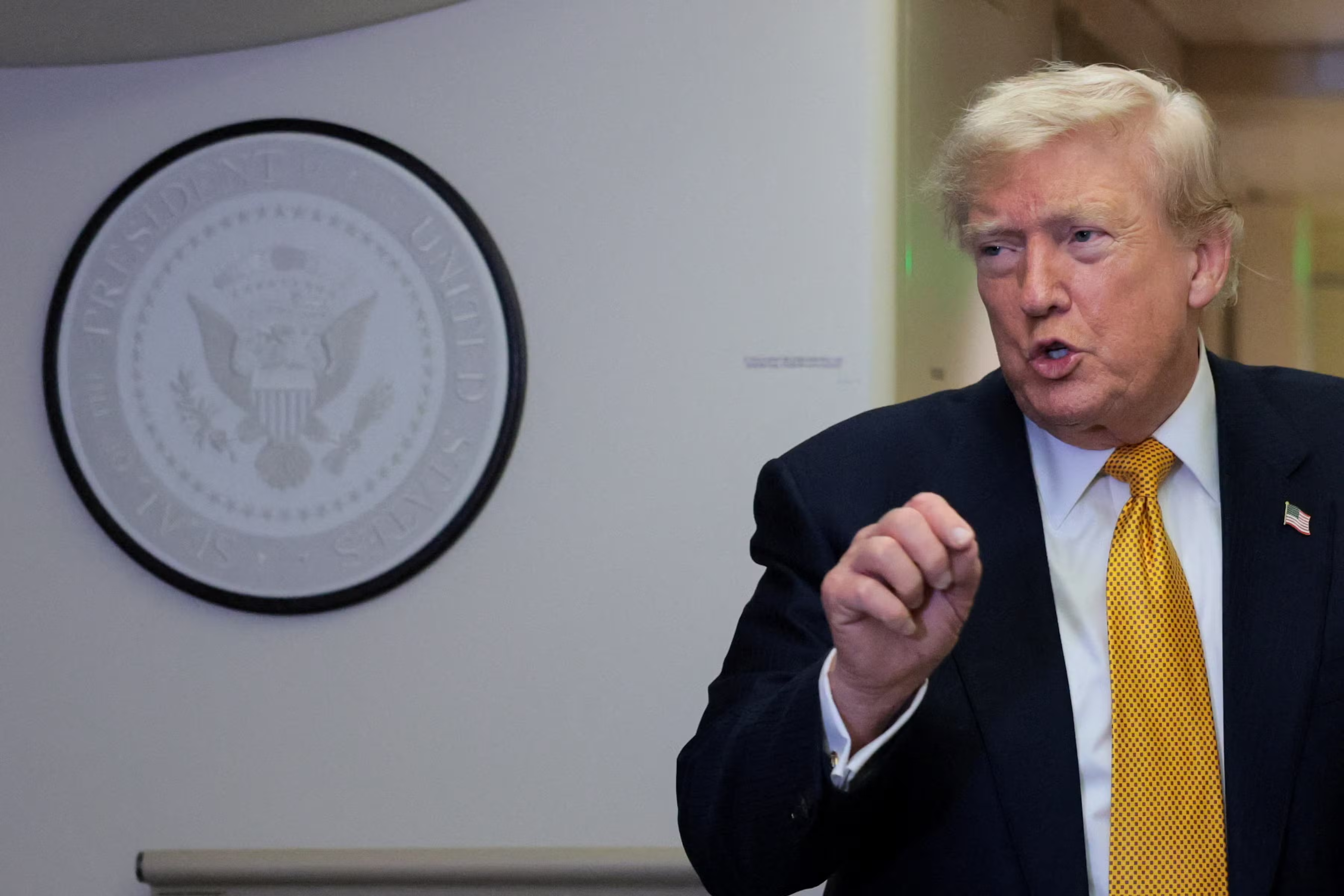
A U.S. federal judge has overturned a settlement between former President Donald Trump and the Internal Revenue Service (IRS), which had granted Trump and his businesses significant tax protections. U.S. District Judge Kathleen Williams ruled that Trump and the IRS, an agency he oversees, were not genuine adversaries as required by the U.S. Constitution for civil proceedings. The agreement, initially brokered in May, aimed to resolve Trump's lawsuit against the IRS for allegedly failing to prevent leaks of his tax returns during his first term, for which he sought $10 billion. In exchange for dropping the lawsuit, Trump was to receive broad tax protections, and a government fund of nearly $1.8 billion was planned to compensate victims of what Trump termed government "weaponization." However, this fund was later abandoned after another federal judge blocked its creation last month. Judge Williams has referred the case involving Trump's legal team and Justice Department officials who approved the settlement to state bar authorities to investigate potential violations of professional ethics. She stated the agreement was an attempt to legitimize a deal conferring immunity and directing taxpayer funds for undefined damages. The ruling prevents any party, including Trump and his companies, from referencing the settlement or its terms in future legal actions, potentially voiding the part that shields Trump's past tax claims from IRS audits. A spokesperson for Trump's legal team reiterated claims of improper tax record leaks but did not directly address the judge's decision.
This judicial decision scrutinizes the integrity of legal settlements involving executive branch oversight, particularly when the president is a direct beneficiary. The ruling highlights the critical principle of adversarial process in U.S. civil law, suggesting that agreements perceived as collusive, rather than genuinely contested, undermine judicial legitimacy. By questioning the intent behind the settlement—whether it aimed for resolution or for granting immunity and taxpayer-funded compensation—the judge raises systemic concerns about the potential for self-dealing and the misuse of government processes for personal or political advantage. The referral to bar authorities signals a potential ethical breach, emphasizing the need for robust checks and balances to prevent executive power from compromising legal fairness and public trust. This event underscores the ongoing tension between presidential authority and the foundational legal requirement for impartial dispute resolution, particularly in an era of heightened political polarization and scrutiny of governmental actions.
AI-generated to prompt reflection — not editorial opinion, not advice, not a statement of fact. How this works.