Judge Raulinga Defends Independence Amid MK Party Challenge Over ANC Ties
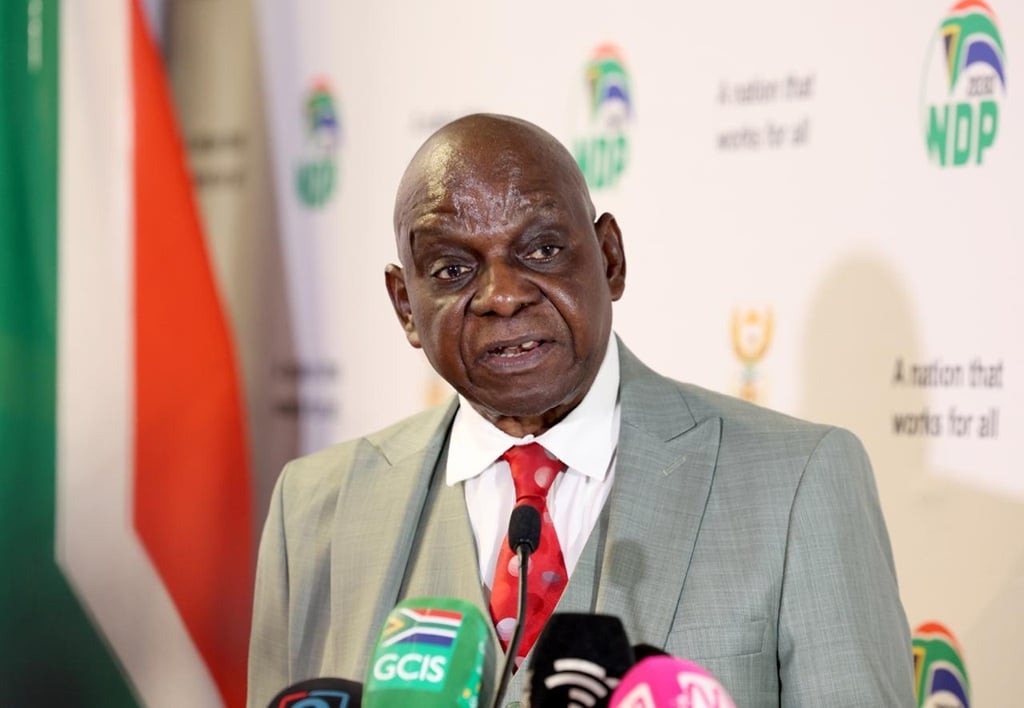
Retired Judge Takalani Raulinga has publicly defended his impartiality after the uMkhonto we Sizwe (MK) Party lodged a formal objection to his appointment as the Independent Electoral Commission's (IEC) Oversight Judge. The MK Party's objection stems from concerns that Raulinga may have undisclosed political affiliations with the African National Congress (ANC). They are calling for a review of his appointment to ensure the integrity of the oversight process. Raulinga's defense aims to reassure stakeholders that he can perform his duties without bias, despite the allegations raised by the MK Party. The appointment is crucial for overseeing the electoral process and ensuring fairness. The MK Party's challenge highlights the ongoing scrutiny of electoral officials and the importance of perceived neutrality in South Africa's political landscape.
The MK Party's challenge to Judge Raulinga's appointment as IDAC Oversight Judge raises important questions about the perception and reality of judicial independence in electoral processes. Allegations of political ties, even if unsubstantiated, can erode public trust and create a perception of bias, which is detrimental to democratic fairness. The situation underscores the critical need for robust vetting processes and transparent communication regarding potential conflicts of interest for officials overseeing sensitive national functions. Moving forward, establishing clearer guidelines and public disclosure requirements for electoral oversight personnel could mitigate such challenges, fostering greater confidence in the electoral system's impartiality and its ability to withstand political pressures in the long term.
AI-generated to prompt reflection — not editorial opinion, not advice, not a statement of fact. How this works.