Judge Rejects Trump's IRS Lawsuit, Cites Improper Purpose and Recommends Attorney Discipline
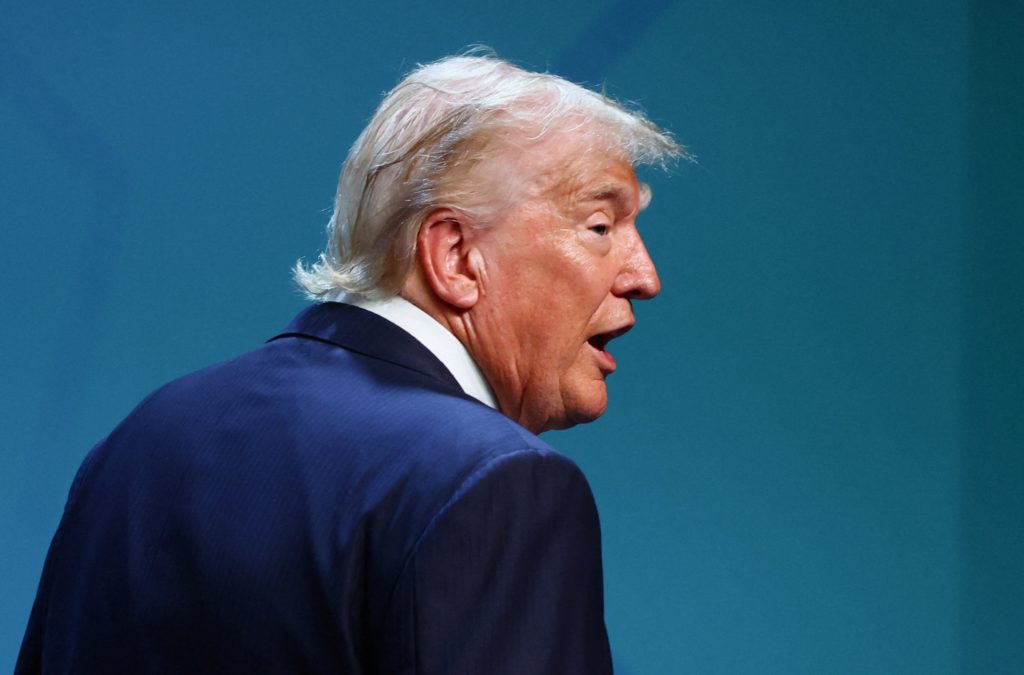
U.S. District Judge Kathleen Williams has issued a strong rebuke of former President Donald Trump's lawsuit against the IRS. The judge characterized the legal action as an "improper purpose," suggesting it was filed for self-serving reasons. Specifically, the lawsuit was deemed an exercise in self-dealing because Trump sued an entity that was, in effect, under his own control. Judge Williams' ruling represents a significant blow to the legal strategy employed in this case. Furthermore, the judge recommended that disciplinary action be taken against the attorneys involved in filing the lawsuit. This decision highlights potential ethical concerns regarding the filing of legal actions by public figures and their legal counsel.
This judicial decision scrutinizes the filing of a lawsuit against the IRS by former President Trump, identifying it as potentially serving an "improper purpose" and recommending attorney discipline. Such a finding raises questions about the intersection of political influence and legal process, particularly concerning the use of litigation for perceived personal or political gain rather than established legal grievance. The ruling emphasizes the importance of judicial oversight in preventing the exploitation of the legal system for ends outside its intended scope. In the context of evolving governance and accountability frameworks, this event underscores the need for robust ethical guidelines and enforcement mechanisms for legal representation, especially when dealing with entities under governmental or public control. Future legal and political landscapes will likely see increased scrutiny on the motivations behind such actions, balancing the right to legal recourse with the imperative of maintaining judicial integrity and preventing the weaponization of law.
AI-generated to prompt reflection — not editorial opinion, not advice, not a statement of fact. How this works.