Judge Reluctantly Dismisses Final Jan. 6 Prosecution at DOJ's Request
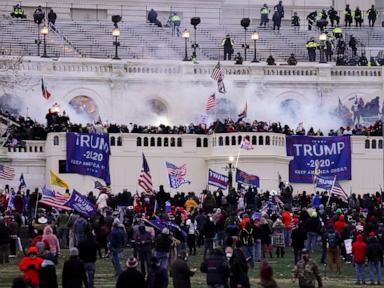
A federal judge has reluctantly approved the Department of Justice's (DOJ) request to dismiss the last remaining prosecution related to the January 6, 2021, attack on the U.S. Capitol. This decision marks the conclusion of the judicial proceedings initiated in connection with the events of that day. The DOJ's motion to dismiss signifies a shift in the government's approach to prosecuting cases arising from the Capitol riot. The judge's "reluctant" agreement suggests a degree of reservation regarding the dismissal, potentially indicating a belief in the merits of the prosecution or concerns about the implications of dropping the case. However, the ultimate decision rests with the DOJ's prosecutorial discretion. This dismissal brings to a close the legal chapter for this specific case, though the broader implications of the Jan. 6 attack continue to be a subject of national discussion and historical analysis. The specifics of why the DOJ sought dismissal of this final case were not detailed in the provided information. The ruling underscores the complexities of the legal processes following the events of January 6th.
The dismissal of the final Jan. 6 prosecution, even with judicial reluctance, highlights the evolving prosecutorial strategies and resource allocation decisions within the Department of Justice. This action may reflect a strategic recalibration, potentially prioritizing other legal avenues or acknowledging diminishing returns on prolonged litigation for certain cases. From a systemic perspective, such dismissals can influence public perception of accountability and the rule of law, prompting questions about the long-term implications for democratic institutions and the precedent set for future political events. The DOJ's decision, viewed through a ten-year lens, could shape how similar challenges to governmental authority are addressed, impacting the balance between national security, public order, and individual liberties in an increasingly polarized environment.
AI-generated to prompt reflection — not editorial opinion, not advice, not a statement of fact. How this works.
