Judge Rules Trump Cannot Deport Researchers Over Content Moderation Work
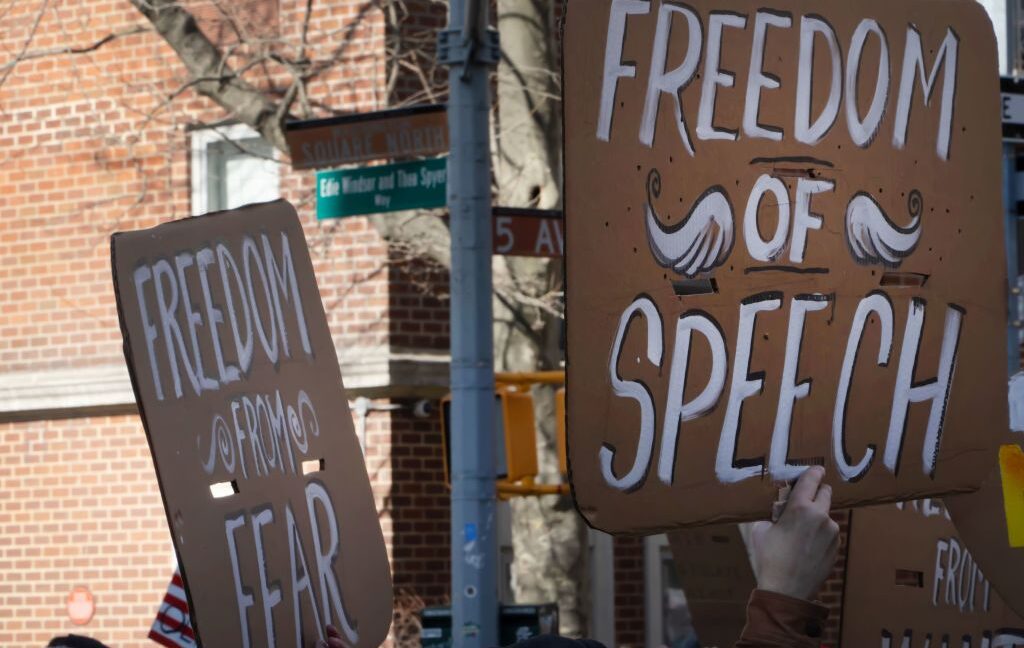
A federal judge has blocked the Trump administration from deporting or denying visas to researchers who work in content moderation. The ruling, issued on Tuesday, is a significant victory for academics and organizations that study online disinformation. These groups had argued that the administration's actions were an attempt to stifle academic inquiry into the spread of false narratives online. The judge found that the government's broad interpretation of "national security" to justify these denials and deportations was unlawful. The decision means that researchers focusing on areas like election interference, hate speech, and foreign influence operations can continue their work without fear of reprisal. This ruling is seen as crucial for maintaining academic freedom and the ability to conduct independent research on critical societal issues.
This judicial decision reinforces the principle that academic research, even on sensitive topics like online disinformation, should not be subject to arbitrary governmental interference. The ruling highlights a potential tension between national security concerns and the imperative of open inquiry. By preventing the weaponization of visa policies against researchers, the court acknowledges the vital role of independent scholarship in understanding and addressing complex societal challenges. This precedent may encourage greater transparency and accountability in how governments approach the regulation of information and academic freedom in the digital age, particularly as AI-driven content generation and dissemination become more prevalent.
AI-generated to prompt reflection — not editorial opinion, not advice, not a statement of fact. How this works.