Judicial Official Cites External Interference in Court Sessions
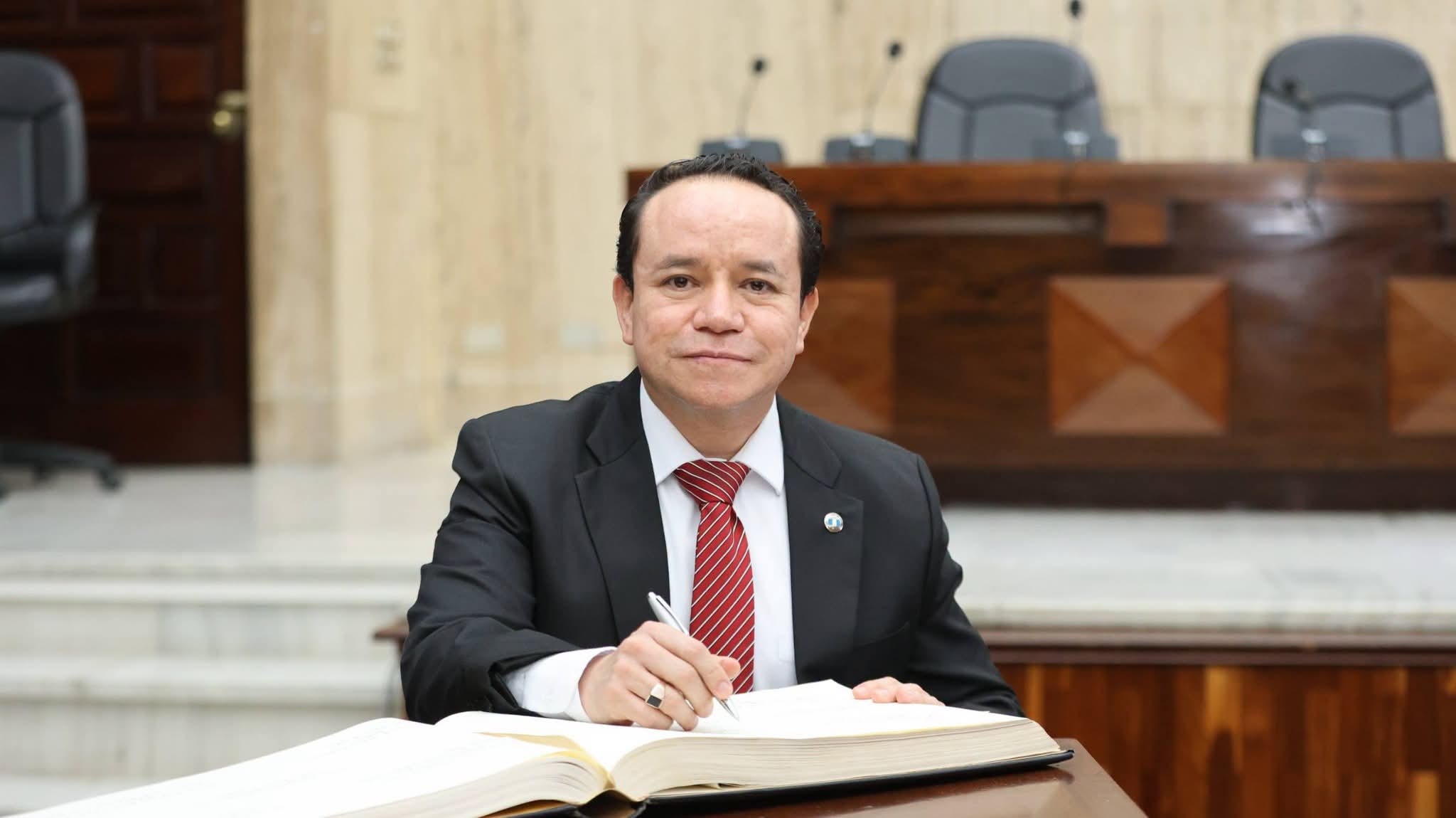
Estuardo Cárdenas, a magistrate of the Supreme Court of Justice (CSJ), has revealed irregularities within the plenary sessions of the Judicial Power. He alleges that external agents are present during these meetings, seemingly to issue instructions. Cárdenas is currently engaged in a legal dispute to reclaim his position in the Chamber of Amparo. This situation highlights potential interference in the internal workings of the judiciary, raising concerns about the independence and impartiality of judicial decisions. The magistrate's claims suggest a complex internal dynamic within the Judicial Power, where external influences may be attempting to shape proceedings. His legal battle to return to the Chamber of Amparo underscores the ongoing tensions and power struggles within the institution. The specifics of the external agents and the nature of the instructions remain unclear, but the accusation itself points to a serious challenge to judicial integrity.
The allegations of external agents influencing judicial plenaries suggest potential vulnerabilities in the institutional governance of the Judicial Power. Such external involvement, if substantiated, could undermine the separation of powers and the rule of law, creating incentives for decisions that favor external interests over legal principles. Examining the mechanisms by which external actors might exert influence is crucial for strengthening judicial independence. Future reforms could focus on enhancing transparency in plenary sessions and establishing clearer protocols for participation to mitigate such risks and ensure that judicial processes remain free from undue external pressure, fostering greater public trust in the legal system.
AI-generated to prompt reflection — not editorial opinion, not advice, not a statement of fact. How this works.