Judicial Safeguards Reflect Political Transactionalism and Distrust
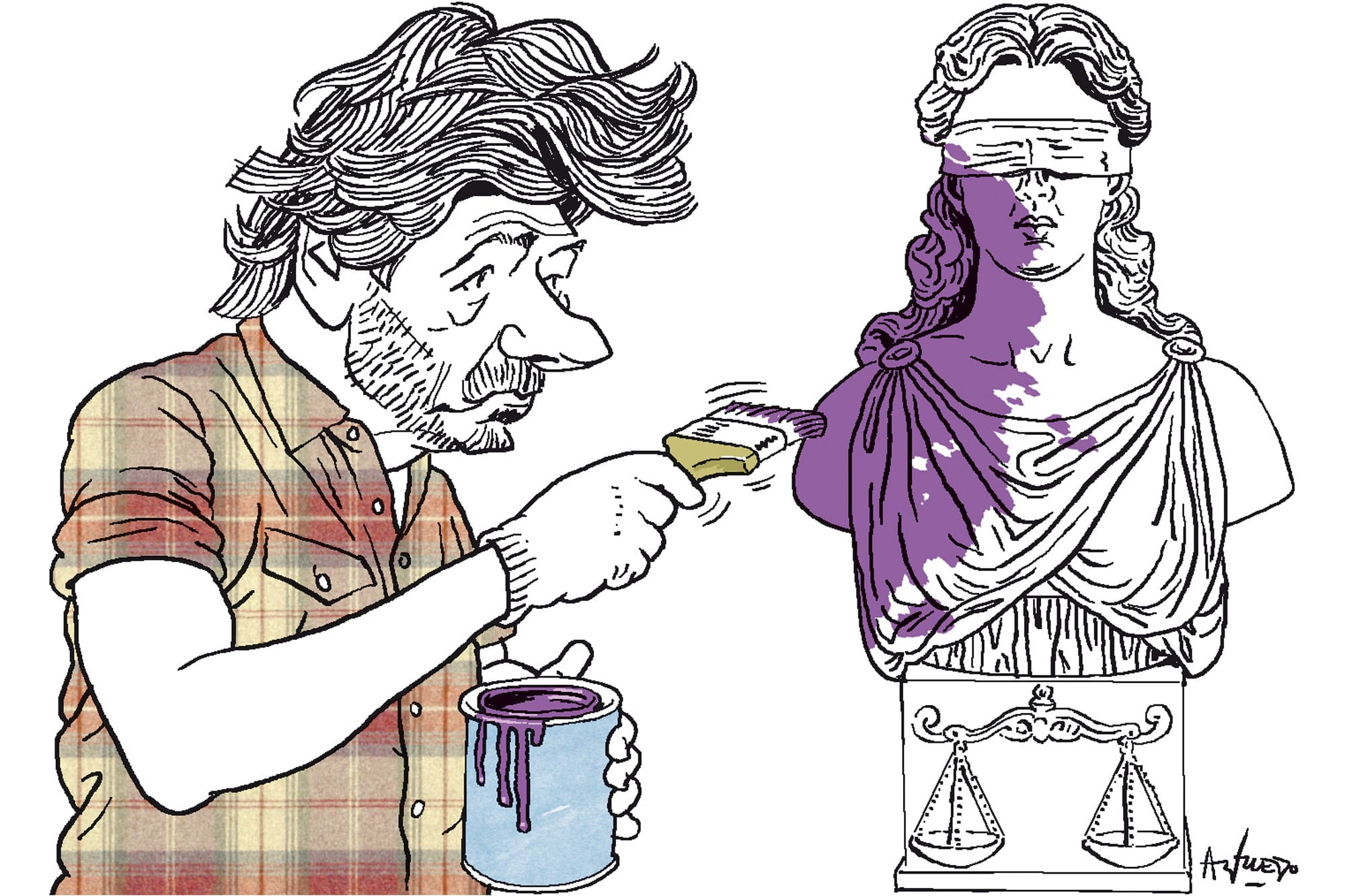
Recently approved judicial documents highlight the highly transactional nature of current political relationships. These filings reveal that established, and not always ethically sound, practices remain prevalent. The situation underscores a deep-seated distrust within the political landscape, where agreements are increasingly viewed through a lens of mutual benefit and potential risk rather than shared governance. This transactional approach suggests a system where political capital is exchanged and secured through formal legal mechanisms, potentially at the expense of broader public interest or transparent policy-making. The documents serve as a stark indicator of the prevailing political climate, where expediency and self-preservation often dictate actions.
The described judicial safeguards appear to institutionalize a transactional approach to politics, driven by underlying distrust. This dynamic suggests a governance model where political actors prioritize securing agreements through formal, often legally-driven, mechanisms rather than fostering organic trust or collaborative policy development. Such a system may inadvertently create incentives for opacity and self-interest, potentially hindering long-term strategic planning and public accountability. Looking ahead, this reliance on transactional legal frameworks could become a structural impediment to adaptive governance in an era demanding greater transparency and stakeholder engagement.
AI-generated to prompt reflection — not editorial opinion, not advice, not a statement of fact. How this works.