Juiz de Fora bans traffic fines based solely on citizen-submitted photos/videos
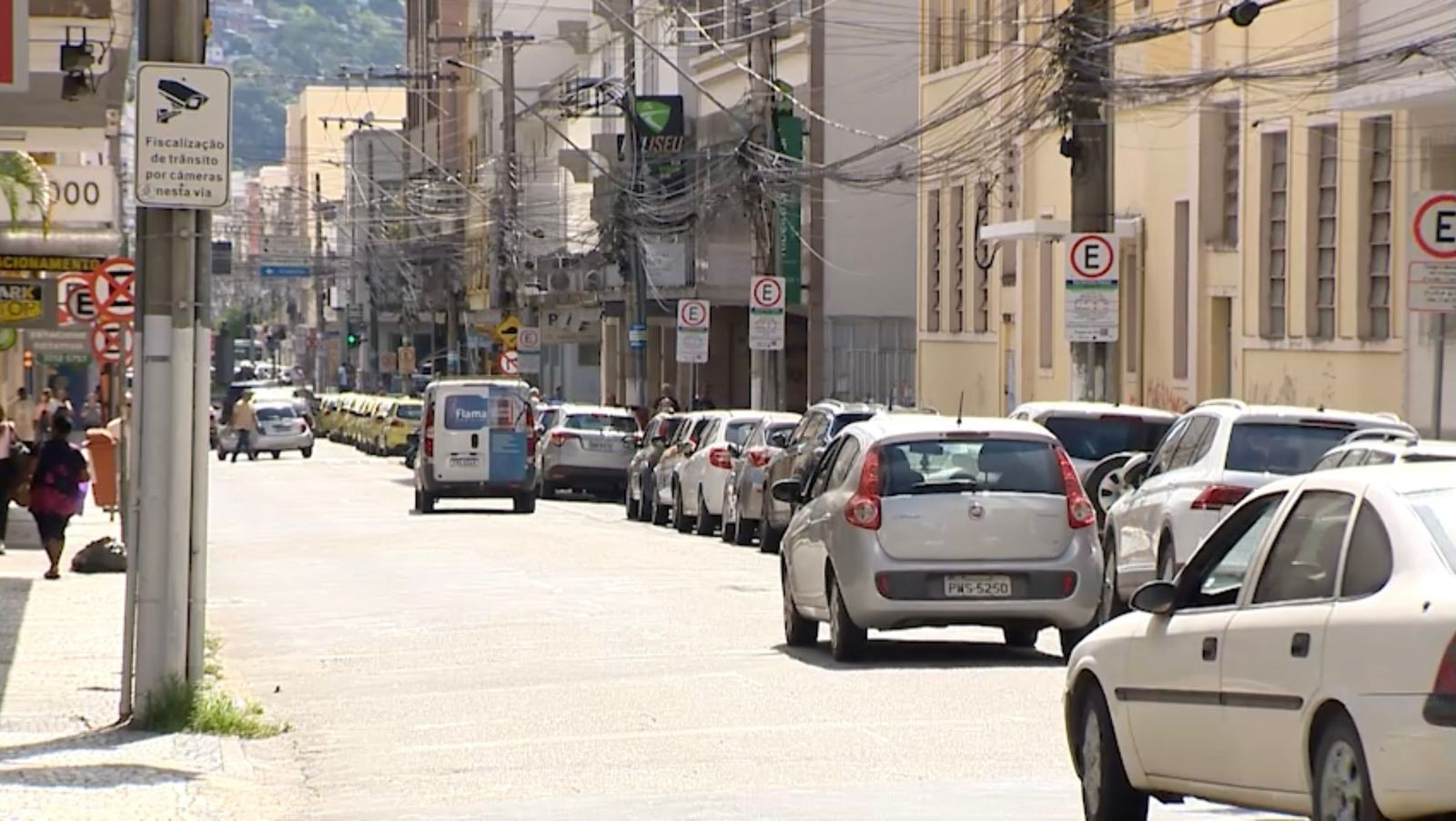
Juiz de Fora, Brazil, has enacted a new law, Lei nº 15.456/2026, prohibiting traffic fines based exclusively on photos or videos submitted by third parties, such as citizens or external collaborators. The regulation, which took effect last week, mandates that traffic violations must be observed in real-time by an authorized traffic agent to be valid. This change addresses concerns that fines were being issued based on images captured by employees of Estapar, the company managing the city's paid rotational parking system. Previously, agents from the Urban Mobility Secretariat's Operations Center were issuing remote fines using footage provided by Estapar staff. The new municipal rule, approved by the City Council and promulgated by the council itself due to the mayor's inaction, invalidates any infraction ticket relying solely on recorded images. For videomonitoring fines to be applied, an agent must be present in a command center and witness the violation live. Furthermore, only official municipal security cameras, duly authorized for this purpose, can be used. Drivers can only be ticketed if the road section is clearly marked with signs indicating camera surveillance.
This legislative update in Juiz de Fora addresses a critical governance gap in traffic enforcement, aiming to enhance due process and transparency. By requiring real-time observation by an agent for videomonitoring fines, the law shifts the burden of proof towards direct, verifiable evidence, mitigating risks associated with reliance on potentially unverified third-party submissions. This move reflects a broader societal demand for accountability in automated enforcement systems, particularly as technology enables more remote surveillance. The regulation's emphasis on official cameras and clear signage also seeks to ensure drivers are adequately informed about surveillance zones, promoting predictability in traffic law adherence. Future considerations may involve standardizing such real-time verification protocols across municipalities to ensure equitable and robust traffic management nationwide, balancing efficiency with fundamental rights.
AI-generated to prompt reflection — not editorial opinion, not advice, not a statement of fact. How this works.