Juiz de Fora Closes Bakeries and Bread Factory, Discards 800kg of Products
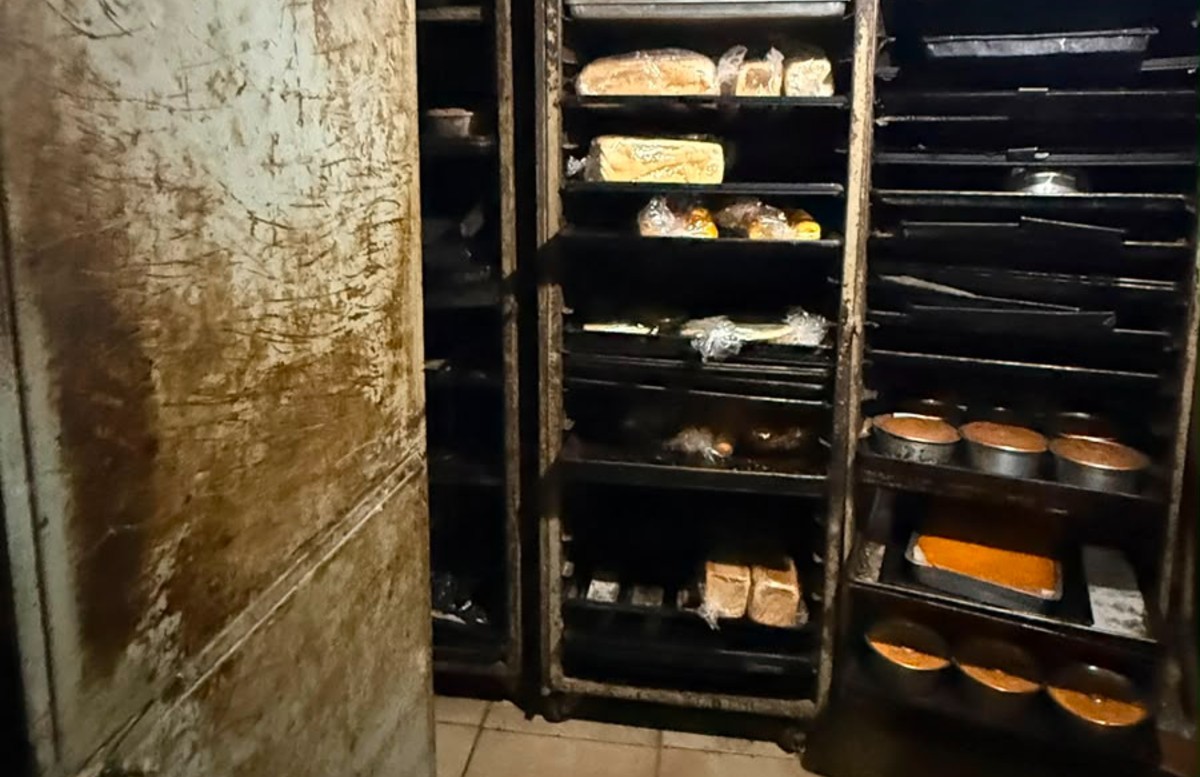
Juiz de Fora's Municipal Department of Health Surveillance (Dvisa) has shut down a bread factory and two bakeries due to severe hygiene and operational deficiencies. The D+ Pães bread factory in the São Mateus neighborhood was completely interdicted. In the Alto dos Passos neighborhood, the Requinte and Boníssima bakeries had their food handling and production areas closed. A total of 828 kg of food deemed unfit for consumption was discarded across the establishments: 470 kg at Requinte, 270 kg at Boníssima, and 88 kg at D+ Pães. The municipality stated these actions were necessary to prevent the sale of unsafe products and protect public health. Inspections revealed significant sanitary issues, including accumulated dirt, expired products, lack of proper handling practices, and pest presence. Both Requinte and Boníssima are permitted to operate as grocery stores and snack bars, selling only pre-packaged items from licensed suppliers, until all violations are corrected. D+ Pães can only resume operations after rectifying all identified problems and passing a new inspection. This follows a similar closure last week of another bread factory, Show de Pães, where over 290 kg of spoiled food was discarded and similar regulatory violations were found.
The repeated interdictions of food production facilities in Juiz de Fora highlight potential systemic gaps in regulatory oversight and compliance within the local food industry. While immediate enforcement actions protect public health, the recurring nature of these violations suggests a need to examine the effectiveness of initial licensing, ongoing inspection protocols, and the deterrent impact of penalties. Factors such as economic pressures on small businesses, lack of awareness regarding food safety standards, or insufficient resources for compliance may contribute to these recurrent issues. Future strategies could involve enhanced educational programs for businesses, tiered enforcement mechanisms, and exploring incentives for proactive adoption of best practices, particularly in light of evolving food safety technologies and consumer expectations in the coming decade.
AI-generated to prompt reflection — not editorial opinion, not advice, not a statement of fact. How this works.