Juiz de Fora Courts Overwhelmed: 3,487 Criminal Cases Await Judgment
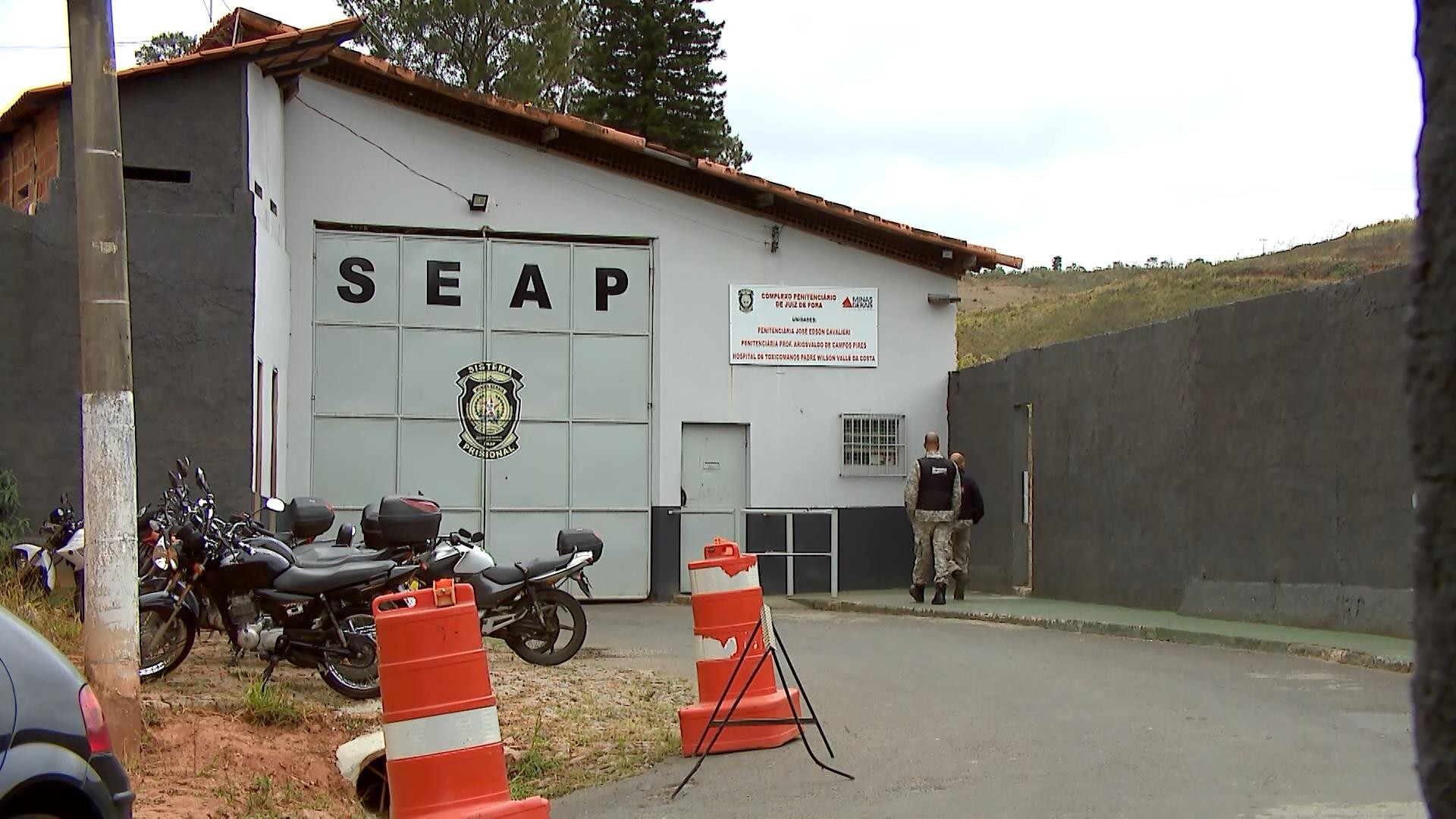
Juiz de Fora's judicial system is facing a significant backlog, with 3,487 criminal cases awaiting judgment. The average time from the initiation of legal action to a final decision now exceeds four years, according to data from the National Council of Justice (CNJ). Of these pending cases, 1,217 have shown no activity for over four months. This judicial slowness directly impacts the objectives of the Law of Penal Execution (LEP), which, now 42 years old, aims for offender rehabilitation and reintegration into society beyond mere punishment. Experts like Renata Valadão, state coordinator for Penal Execution and Collective Tutelage, highlight that this delay compromises the rights of the accused and hinders the LEP's goal of social reintegration. The systemic bottleneck is described as a historical and structural problem, not unique to Brazil. Families of inmates also face prolonged waiting periods and difficulties within the prison system. One case involves a 35-year-old man with substance abuse issues, imprisoned for three years in a semi-open facility, yet held in more restrictive conditions. His mother reported that he was supposed to receive hospital treatment for his condition but was instead incarcerated due to a lack of hospital beds, and is now waiting 90 days for a psychiatric evaluation. The LEP mandates that the prison system facilitate social reintegration, but procedural delays, inadequate infrastructure, and insufficient support complicate this mission. Recent changes to regime progression rules, such as those in the Anti-Crime Package (Law 13.964/2019), which increased the maximum prison term to 40 years and tightened criteria for progression, are expected to further strain the system without adequate preparation or budgetary allocation. This failure of the state to provide adequate conditions and timely justice creates a vacuum that allows criminal factions to gain influence within prisons, transforming them into environments that can reinforce criminal behavior rather than facilitate rehabilitation.
The extensive backlog of criminal cases in Juiz de Fora, exceeding 3,487 and with average resolution times over four years, highlights a systemic inefficiency within the Brazilian judiciary. This delay not only infringes upon the due process rights of the accused but also undermines the rehabilitative intent of the Law of Penal Execution. The confluence of procedural bottlenecks, inadequate prison infrastructure, and the potential for increased incarceration due to legislative changes like the Anti-Crime Package suggests a growing disconnect between legal frameworks and their practical implementation. Such systemic failures create an environment where state authority is diminished, potentially allowing illicit organizations to exert influence and perpetuating a cycle of crime. Addressing this requires a multi-faceted approach, focusing on judicial process optimization, resource allocation for both courts and correctional facilities, and a re-evaluation of policies that may inadvertently exacerbate prison overcrowding without corresponding support structures.
AI-generated to prompt reflection — not editorial opinion, not advice, not a statement of fact. How this works.