Juiz de Fora Experiences Coldest Night of the Year, Feels Like 5°C
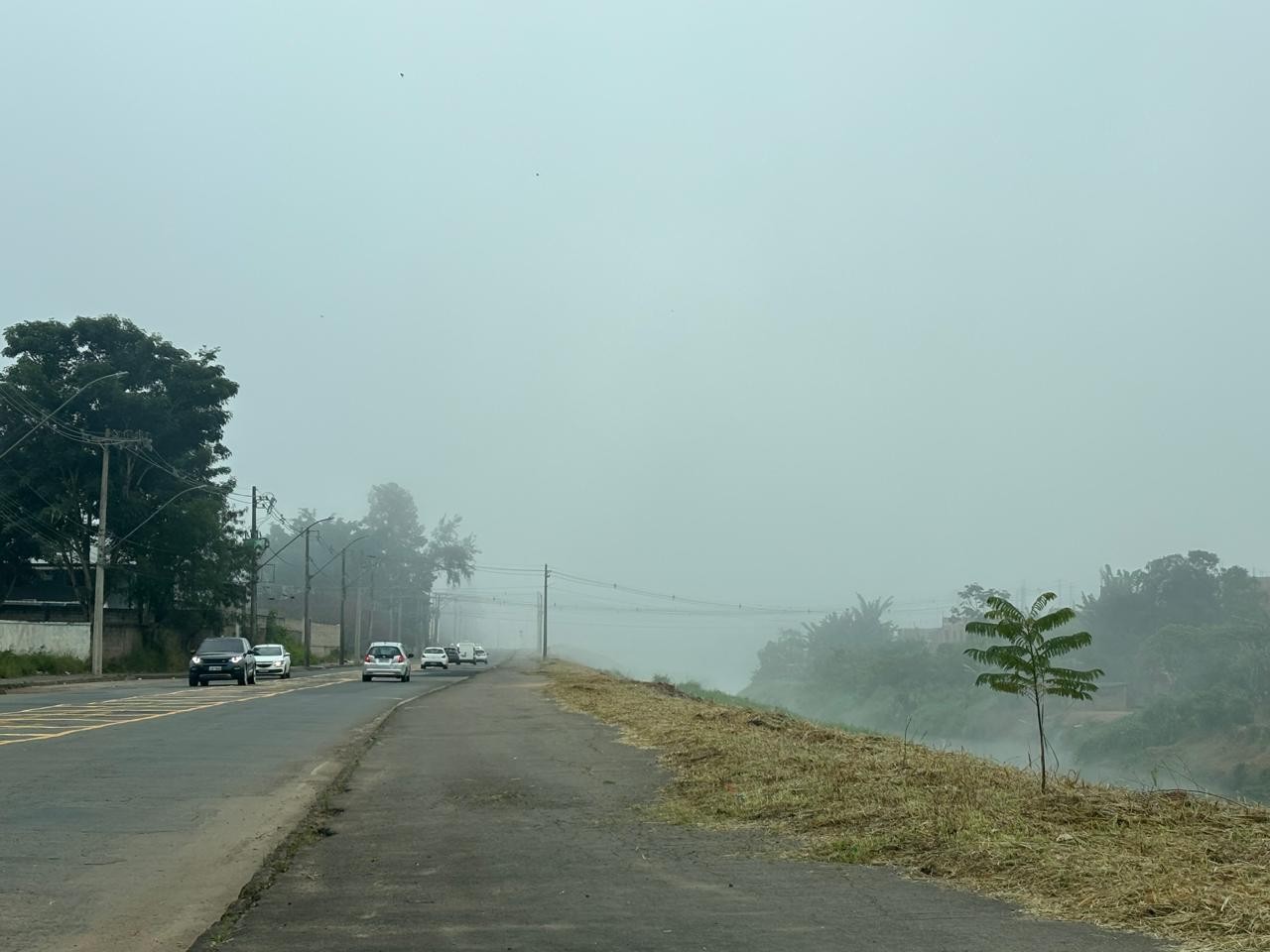
Juiz de Fora recorded its coldest night of the year on Tuesday, June 14th, with the National Institute of Meteorology (Inmet) registering a low of 9.3°C. This temperature was measured between 5 AM and 7 AM at the Inmet station located on the Federal University of Juiz de Fora (UFJF) campus. The previous lowest temperature for 2026 was 10.1°C, recorded on June 19th. Due to wind gusts reaching 36 km/h, the "feels like" temperature dropped to a chilly 5°C during the early morning hours. Other cities in the region also experienced low temperatures, including Barbacena at 7.7°C and São João del Rei at 10.2°C. This significant drop in temperature is attributed to a cold and dry air mass that has settled over the state, following the passage of a cold front. This weather pattern stabilizes the atmosphere, reduces cloud cover, and leads to cooler temperatures, particularly in the mornings. Meteorologist Anete Fernandes from Inmet indicated that the weather is expected to remain stable throughout the week, with clear to partly cloudy skies and sunshine. Morning temperatures are predicted to remain the coldest part of the day. Forecasts for Juiz de Fora include a minimum of 8°C and a maximum of 18°C for Tuesday, with gradual warming towards the weekend.
The recent cold snap in Juiz de Fora, marked by the year's lowest recorded temperature and a significant wind chill effect, highlights the predictable impact of atmospheric pressure systems on regional climate. The meteorological data, meticulously collected by Inmet, demonstrates the interplay between air masses and local topography in shaping temperature extremes. As climate models evolve and refine predictions, understanding these localized weather phenomena becomes crucial for urban planning, resource management, and public health advisories, particularly concerning seasonal illnesses. The consistent monitoring and reporting of such events underscore the importance of meteorological infrastructure in providing actionable data for societal adaptation to environmental shifts.
AI-generated to prompt reflection — not editorial opinion, not advice, not a statement of fact. How this works.