Juiz de Fora experiences strong winds as cold front approaches
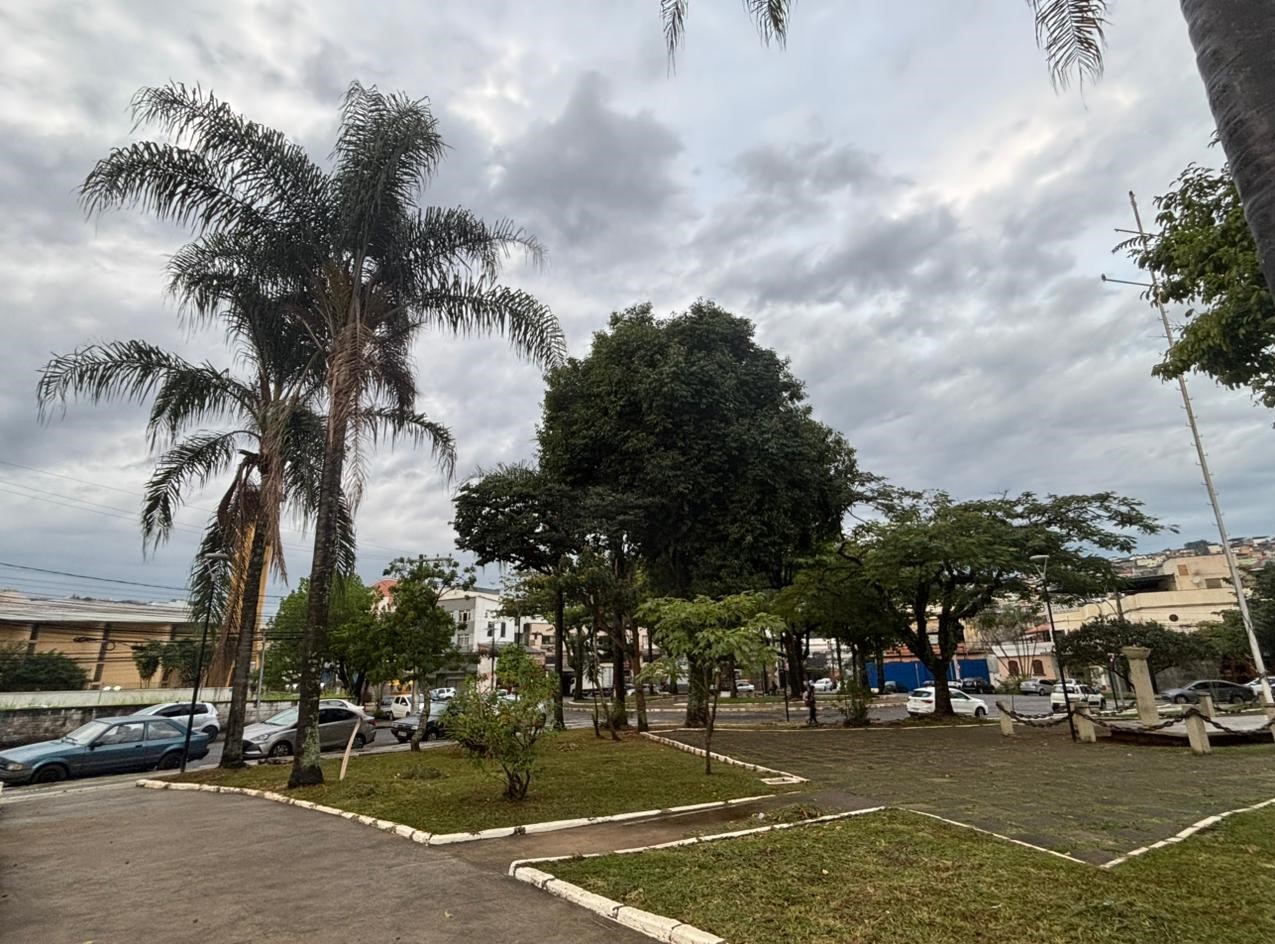
Juiz de Fora, Brazil, recorded wind gusts reaching 56.16 km/h on Wednesday evening, May 29th, according to the National Institute of Meteorology (Inmet). These strong winds were measured at the Inmet weather station located at the Federal University of Juiz de Fora (UFJF). Meteorologist Lizandro Gemiack explained that the gusts were caused by pre-frontal instability, a phenomenon occurring before a cold front that increases wind speed by creating a small low-pressure area. Inmet forecasts that the cold front will move across the Southeast coast between Friday, May 31st, and Saturday morning, June 1st. Following the system's passage, new wind gusts are expected in Southern Minas Gerais and Zona da Mata, including Juiz de Fora, with speeds ranging from 40 km/h to 60 km/h. Gemiack noted that these predicted winds are not expected to reach the intensity seen in states like Rio de Janeiro and São Paulo, where speeds approached 100 km/h. Tragically, five people have died due to strong winds in the Southeast region, with three fatalities in São Paulo and two in Rio de Janeiro; one person remains missing in Rio de Janeiro. In addition to the wind, the approaching cold front is increasing cloud cover and causing temperatures to drop, with the cooling expected to begin on Friday and become more pronounced on Saturday.
The event highlights the impact of atmospheric systems on densely populated areas, demonstrating how localized meteorological phenomena can have significant consequences. The contrast in wind speeds between Juiz de Fora and neighboring states like Rio de Janeiro and São Paulo underscores the complex microclimates within a region and the importance of precise forecasting. The tragic loss of life and a missing person in São Paulo and Rio de Janeiro serve as a stark reminder of the need for robust public safety protocols and early warning systems. As climate patterns evolve, understanding and mitigating the risks associated with extreme weather events will become increasingly critical for urban planning and disaster preparedness, particularly in vulnerable regions.
AI-generated to prompt reflection — not editorial opinion, not advice, not a statement of fact. How this works.