Juiz de Fora Faces Lawsuit Over February Flooding and Landslides
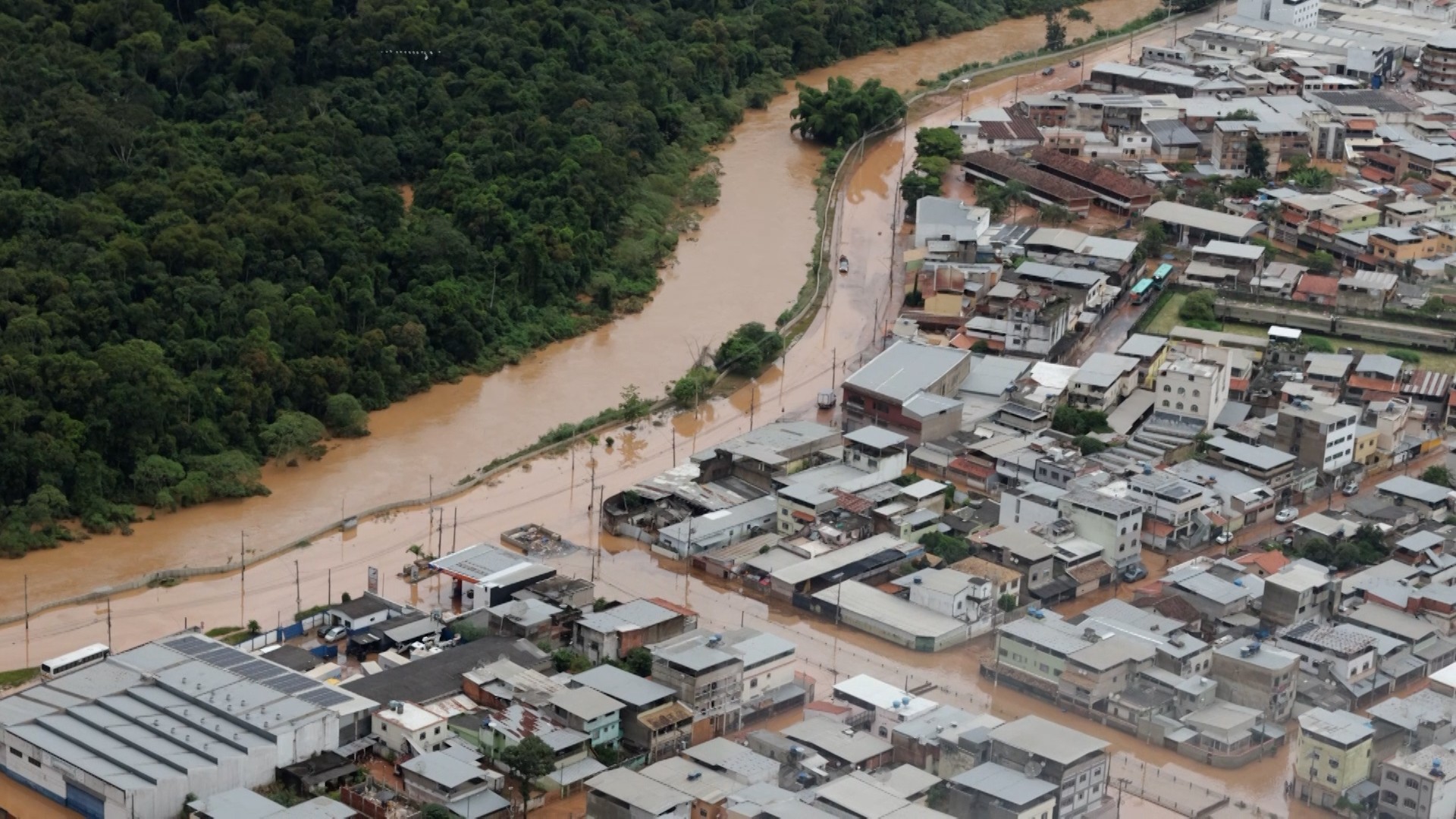
The Public Defender's Office of Minas Gerais (DPMG) has filed a Public Civil Action against the Prefecture of Juiz de Fora, demanding measures following the intense rains that struck the city starting February 23rd. These storms caused widespread flooding, landslides, and resulted in 66 fatalities, leaving thousands homeless or displaced. The DPMG alleges a "structural omission" by the municipal administration in preventing and mitigating risks, which had been identified in prior technical studies. The lawsuit asserts that these issues infringe upon fundamental rights, including access to safe housing, health, basic sanitation, a balanced environment, and a sustainable city. The Public Defender's Office seeks to have the case treated as a structural action and requires the Prefecture to present both an emergency and a long-term plan. These plans must outline measures for preventing flood and landslide risks, with defined timelines for their presentation and execution. The city of Ubá was also severely impacted, reporting 8 deaths, while Cataguases and Matias Barbosa experienced significant damage but no fatalities. The total death toll across the affected region reached 74, making this disaster the fourth deadliest rainfall-related event in Brazil in the last decade, according to data from Cemaden since 2016. The Prefecture stated it would comment only after official notification.
This legal action highlights a critical governance challenge: the preparedness and response of municipal authorities to predictable climate-related disasters. The DPMG's claim of 'structural omission' points to a potential systemic failure in risk management, suggesting that prior warnings and studies were not adequately translated into preventative infrastructure or policy. The lawsuit's framing as a 'structural action' seeks to compel long-term, systemic solutions rather than isolated fixes. This approach underscores the growing necessity for urban planning to integrate climate resilience proactively, especially as extreme weather events become more frequent. The case raises questions about accountability for inadequate risk mitigation and the effectiveness of existing urban development regulations in safeguarding populations against environmental hazards in the face of climate change.
AI-generated to prompt reflection — not editorial opinion, not advice, not a statement of fact. How this works.