Juiz de Fora: False emergency calls to Samu in first half of 2026 already exceed 2025 total
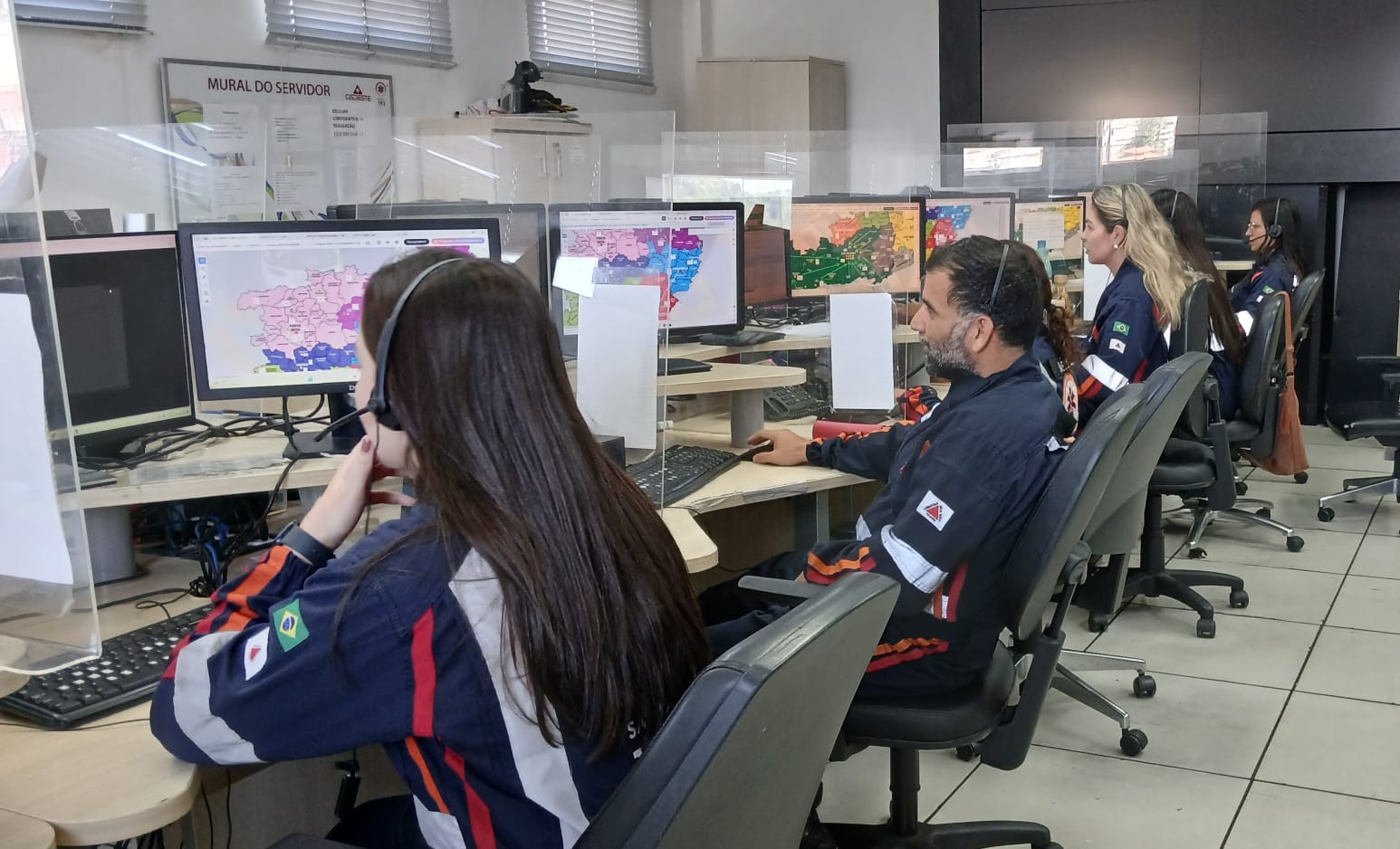
The Mobile Emergency Care Service (Samu) in Juiz de Fora, Brazil, has experienced a significant increase in false emergency calls, known as 'trotes'. According to the Intermunicipal Health Consortium of the Southeast Region (Cisdeste), the first six months of 2026 (January 1 to June 30) saw approximately 865 fake calls. This figure already surpasses the total of 731 false calls recorded throughout the entire year of 2025. Currently, these prank calls constitute about 3% of all calls received by the service in 2026. Cisdeste emphasizes that their goal is to reach zero false calls, as each occupied line can prevent a genuine emergency from being answered. The consortium treats every call as a real emergency, mobilizing technicians and medical regulators, and potentially dispatching an ambulance, only to discover it's a hoax. This wastes valuable resources and can delay critical care for life-threatening situations like heart attacks, strokes, or severe trauma, where every minute counts. Despite the current rise, Cisdeste's technical director, Homero Calderaro, noted that the situation has improved significantly since the consortium's inception, when false calls represented 15% of total calls. He attributes this past reduction partly to the widespread adoption of mobile phones, which aids in tracing and holding callers accountable. To combat the ongoing issue, Cisdeste conducts educational campaigns and awareness programs in local schools, urging the public to use the 192 emergency number only for genuine urgent situations.
The surge in false emergency calls to Juiz de Fora's Samu highlights a persistent challenge in public service resource allocation. While the percentage of false calls may seem small, the operational protocol of treating every incoming line as a potential emergency necessitates the mobilization of critical resources. This system's design, while prioritizing potential life-saving responses, creates a vulnerability to deliberate disruption. Future strategies could explore advanced call-screening technologies or tiered response protocols that, without compromising genuine emergencies, could more efficiently filter out non-critical or malicious calls. Public education remains vital, but its long-term impact must be augmented by systemic safeguards that minimize the impact of such disruptions on essential emergency services, especially as populations and call volumes grow in the coming decade.
AI-generated to prompt reflection — not editorial opinion, not advice, not a statement of fact. How this works.