Juiz de Fora launches book drive for new Black history research room
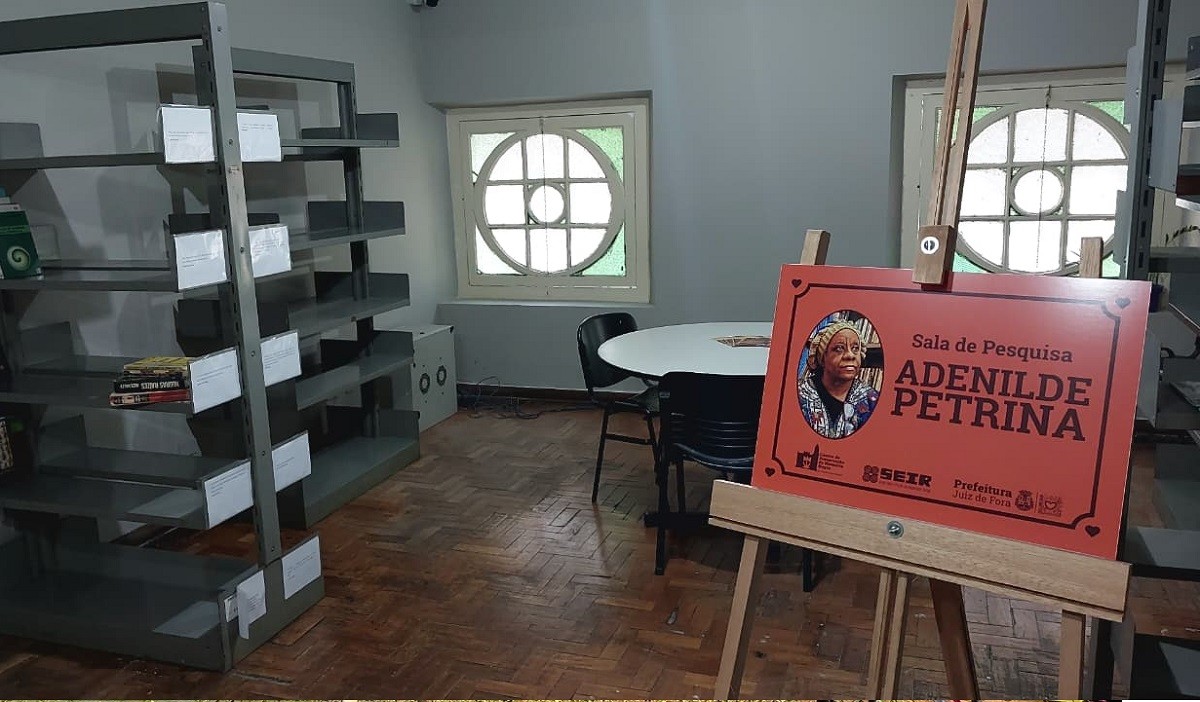
The Municipality of Juiz de Fora has initiated a campaign to collect books focusing on Black history, Afro-Brazilian culture, and related subjects. These donations will form the collection for the newly inaugurated Adenilde Petrina Research Room, located at the Special Secretariat for Racial Equality (Seir) headquarters. The room is part of the Center for the Preservation of Black Memory of Juiz de Fora and Region (CenPre) and aims to gather research materials on the history of the Black population, race relations, and knowledge production in this area. Books in good condition are welcomed, with a priority for works on race relations, Afro-Brazilian history and culture, traditional peoples, social movements, and human rights. Donations can be made at the Seir headquarters, located at Avenida Barão do Rio Branco, nº 2.234, in the city center, opposite Parque Halfeld. The office is open Monday to Friday from 8 AM to 5 PM and Saturdays from 9 AM to 3 PM. The research room is named in honor of Adenilde Petrina Bispo, a prominent community leader, professor, popular communicator, and activist in Juiz de Fora. She was a significant figure in community leadership and the Black movement, also working as a professor and radio host. Petrina, who passed away in 2025 at the age of 73, was recognized with an honorary doctorate from the Federal University of Juiz de Fora (UFJF) in 2017 for her extensive work, including her involvement with the Coletivo Vozes da Rua, which supported urban youth. She also hosted a radio show for a decade, discussing social rights issues.
This initiative by the Municipality of Juiz de Fora to establish a dedicated research room for Black history and culture highlights a growing institutional recognition of marginalized narratives. By creating a physical space and actively seeking donations, the city is fostering a repository for knowledge that may have been historically underrepresented in mainstream archives. This effort can empower local communities by validating their history and providing resources for academic and public engagement. Looking ahead, the sustainability of such initiatives will depend on continued institutional support, community involvement, and the integration of these resources into broader educational frameworks, ensuring that the collected knowledge contributes to ongoing dialogues about race, equality, and historical understanding in Brazil.
AI-generated to prompt reflection — not editorial opinion, not advice, not a statement of fact. How this works.