Juiz de Fora Neighborhood Becomes Open-Air Museum to Preserve Local History
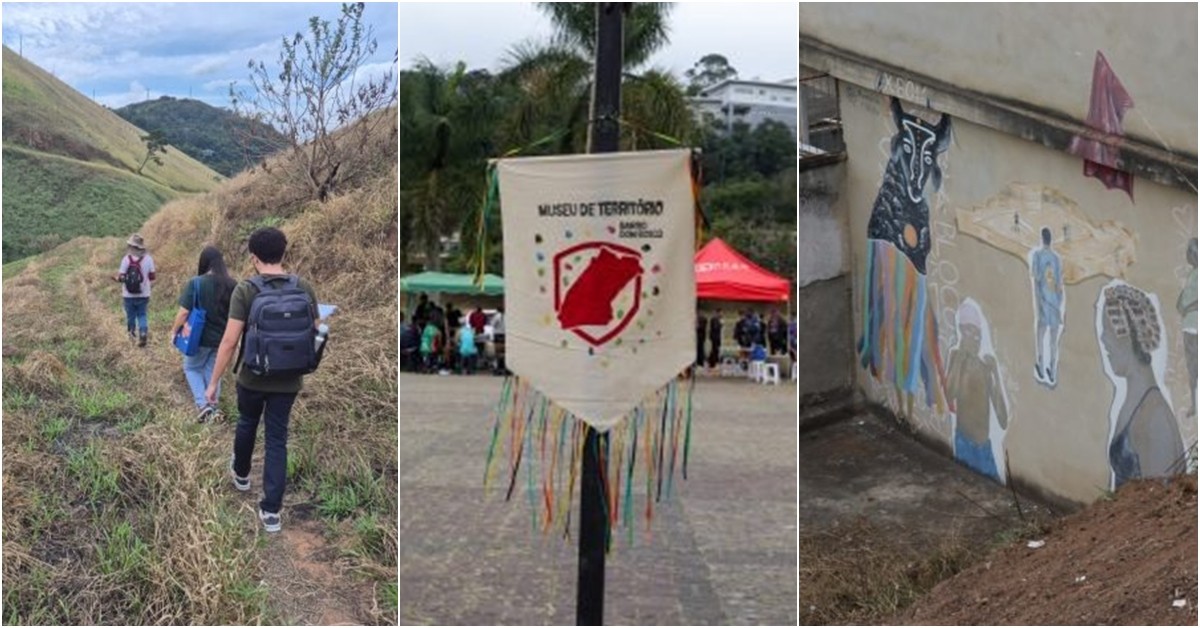
The Dom Bosco neighborhood in Juiz de Fora, Brazil, is being transformed into an 'open-air museum' through the 'Museu de Território Dom Bosco' project, aiming to preserve and celebrate its rich cultural identity and history. This initiative functions as a living museum, with the urban landscape itself serving as its exhibits. The project emerged from a collective inventory conducted by residents in collaboration with the Federal University of Juiz de Fora (UFJF), involving its Tourism, History, and Architecture departments.
Currently, the project focuses on mapping key cultural practices that define the neighborhood's identity, particularly in the Chapadão and Morro dos Cabritos areas. Early tours have explored the community's adaptation, housing, and unique mobility solutions, including its 'water route' of wells and springs vital to local social life. The project also highlights sites of memory and affection identified by residents. Professor Edwaldo Sérgio, the project coordinator, noted that the significant presence of the Black population, social relations centered around water and spirituality, and experiences of symbolic and urban violence were crucial in identifying the area's potential.
The neighborhood's development is also being used to discuss environmental racism, referencing the disproportionate exposure of low-income Black communities to disaster risks. Professor Raquel Von Randow pointed out that post-abolition, freed Black individuals were often relegated to precarious locations, and current demographic data in Juiz de Fora show risk areas are predominantly inhabited by Black populations and female-headed households. Residents like Eliana das Neves Pereira and Jade Dias emphasize the project's role in boosting community self-esteem and fostering unity, highlighting a strong sense of social cohesion and mutual respect despite economic challenges. The initiative involves around 25 participants, including faculty, students, and residents, and draws inspiration from similar successful territorial museums in other Brazilian cities.
This initiative exemplifies a community-driven approach to cultural heritage preservation, leveraging local knowledge and academic partnership to create a unique 'living museum.' The project's focus on mapping historical narratives and cultural practices within the Dom Bosco neighborhood offers a powerful counter-narrative to urban marginalization, reframing the periphery as a site of significant cultural value. By integrating discussions on environmental racism and historical settlement patterns, the project critically engages with systemic inequalities, prompting reflection on how urban development and disaster vulnerability intersect with race and socioeconomic status. The emphasis on resident participation and empowerment suggests a sustainable model for cultural revitalization, fostering social cohesion and collective identity. Looking ahead, such initiatives could serve as blueprints for other communities seeking to reclaim and valorize their heritage in the face of rapid urbanization and historical neglect.
AI-generated to prompt reflection — not editorial opinion, not advice, not a statement of fact. How this works.