Juiz de Fora: Only 25% of racial slur cases reach courts; student called 'monkey'
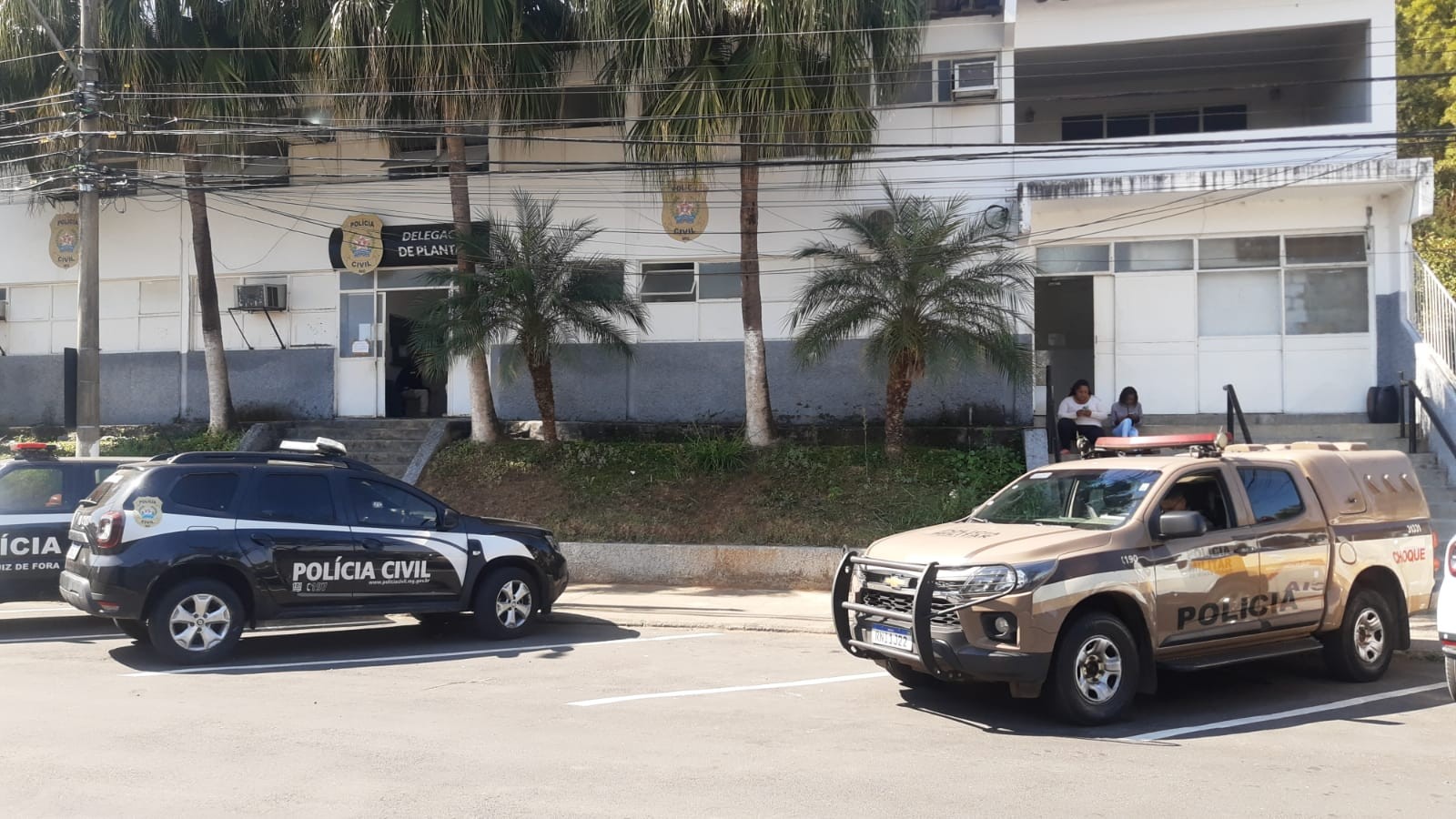
In Juiz de Fora, Brazil, a significant gap exists between reported racial slur incidents and those that reach the justice system, with only about 25% of cases proceeding to court. This reality is highlighted by the experience of a teenage student who was subjected to racist insults, including being called 'monkey' by a classmate in front of others. Her mother, Kamilla Oliveira, reported the incident, which was classified by the Military Police as an infraction analogous to racial slur, as the perpetrator is a minor. The school stated it followed applicable pedagogical and disciplinary protocols. Data from the State Secretariat of Justice and Public Security (Sejusp) reveals that in 2025, Juiz de Fora recorded 67 racial slur occurrences, but only 16 new legal processes were initiated, representing approximately 25%. Of these 16 processes, 12 are still awaiting a decision from the Minas Gerais Court of Justice. Geovane Lopes, president of the OAB Juiz de Fora's Racial Equality Commission, attributes the low progression rate to a lack of racial literacy among case handlers, insufficient evidence, and the private nature of many incidents, often resulting in a 'victim's word against the perpetrator's.' Since 2023, racial slur has been treated similarly to racism, with criminal action being unconditional public action, meaning investigations do not depend on the victim's consent to proceed. Lopes emphasizes that increased reporting, more police reports, and greater racial literacy, coupled with legal assistance to build evidence, are crucial to reversing the trend of many reports and few convictions. The Civil Police analyze all racial slur records, as Juiz de Fora lacks a specialized unit. The disparity between reported cases and judicial outcomes can foster a sense of impunity, yet the rise in legal actions indicates growing victim willingness to seek accountability.
The disparity between reported racial slur incidents and their progression to judicial processes in Juiz de Fora suggests systemic challenges in translating reported offenses into legal accountability. This situation may stem from a combination of factors including the procedural complexities of the legal system, potential biases or lack of specialized training among investigators and judiciary personnel, and the evidentiary hurdles inherent in proving such offenses, particularly when they occur in private settings. The recent legislative change elevating racial slur to the same penal status as racism, with unconditional public action, aims to streamline the process, yet the data indicates ongoing obstacles. This dynamic raises questions about the effectiveness of current legal frameworks and enforcement mechanisms in addressing racial discrimination and fostering a sense of justice for victims. Moving forward, a focus on enhancing racial literacy within the justice system, improving investigative protocols for private incidents, and ensuring accessible legal support for victims could be critical in bridging the gap between reported incidents and judicial resolution, thereby mitigating the perception of impunity and encouraging greater trust in the legal process.
AI-generated to prompt reflection — not editorial opinion, not advice, not a statement of fact. How this works.