Juiz de Fora Public Transport Tender Remains Suspended After Appeal Denial
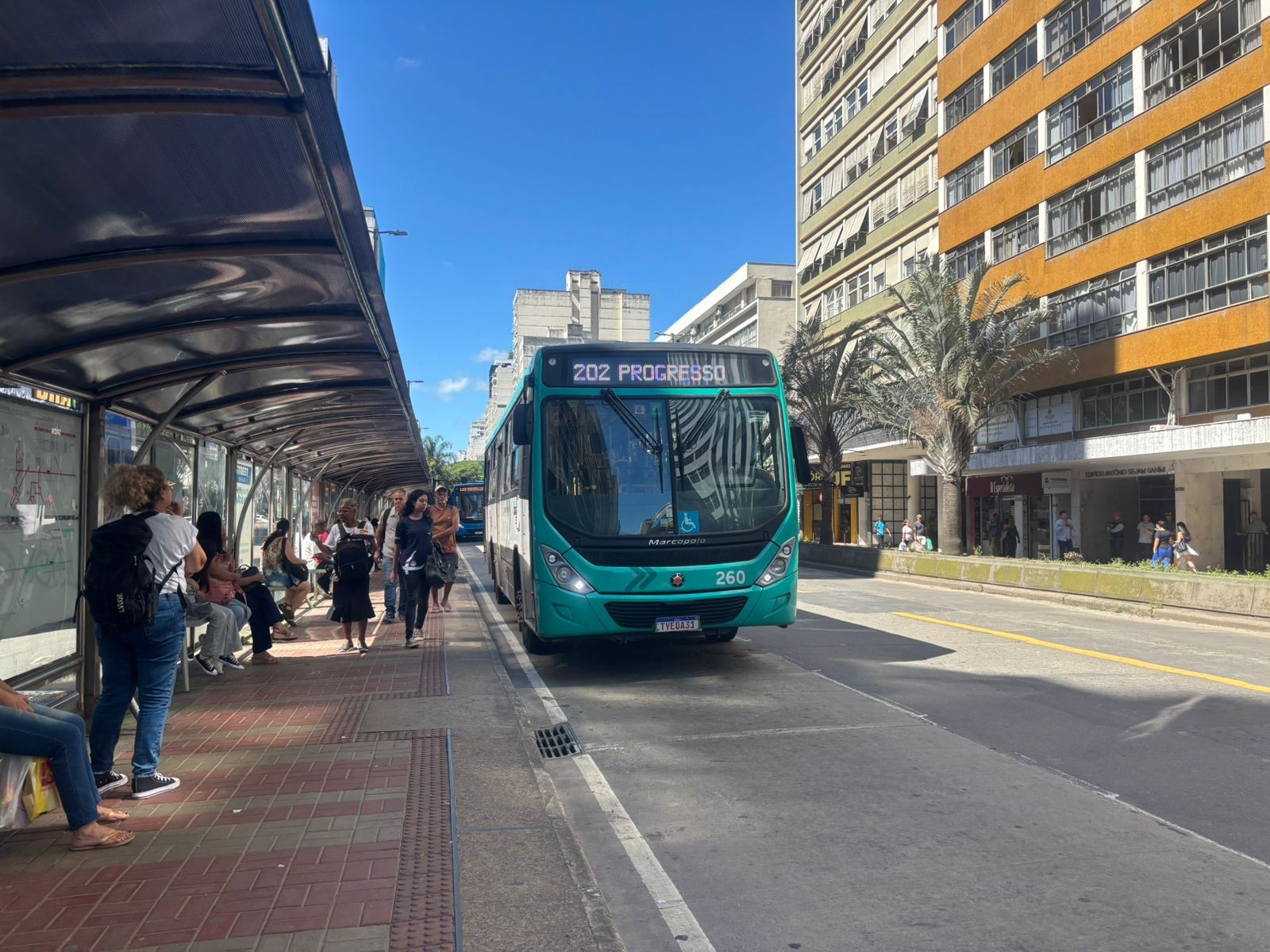
The State Court of Accounts of Minas Gerais (TCE-MG) has upheld the suspension of Juiz de Fora's urban public transport tender, denying an appeal filed by the city's prefecture. The tender, valued at R$ 7.36 billion for a 15-year concession, was initially halted in April due to structural inconsistencies identified by the court. The TCE-MG cited insufficient economic studies to ensure financial sustainability over the contract's duration, flaws in the electronic ticketing system's modeling, and an inadequate financial guarantee requirement for participating companies. The court noted that the prefecture's economic assessments focused only on immediate costs, not the long-term viability of the 15-year concession. Additionally, the tender did not specify how financial flows would be maintained if the electronic ticketing system experienced failures. The required guarantee from companies was set at approximately R$ 204,487.03, which the court deemed incompatible with the contract's significant economic scale and potentially allowing financially unqualified bidders. The suspension is preventive and will remain in effect until the identified irregularities are corrected or the case's merits are judged, aiming to protect public funds and ensure the continuity of public transport services. The prefecture stated it is revising the tender based on the TCE's technical recommendations and is in contact with the court to prepare a new public notice.
The prolonged suspension of Juiz de Fora's public transport tender highlights systemic challenges in municipal procurement processes, particularly for large-scale infrastructure projects. The TCE-MG's findings point to potential governance gaps in financial planning and risk assessment, suggesting that initial bids may not adequately reflect the long-term operational and financial complexities. This situation underscores the importance of robust due diligence and transparent economic modeling to ensure public funds are utilized effectively and that service providers possess the necessary financial capacity. As cities increasingly rely on private concessions for essential services, ensuring the integrity and viability of the bidding process is critical for sustainable urban development and citizen welfare over the next decade.
AI-generated to prompt reflection — not editorial opinion, not advice, not a statement of fact. How this works.