Juiz de Fora Restructures Municipal Employee Health Plan, Addressing Debt
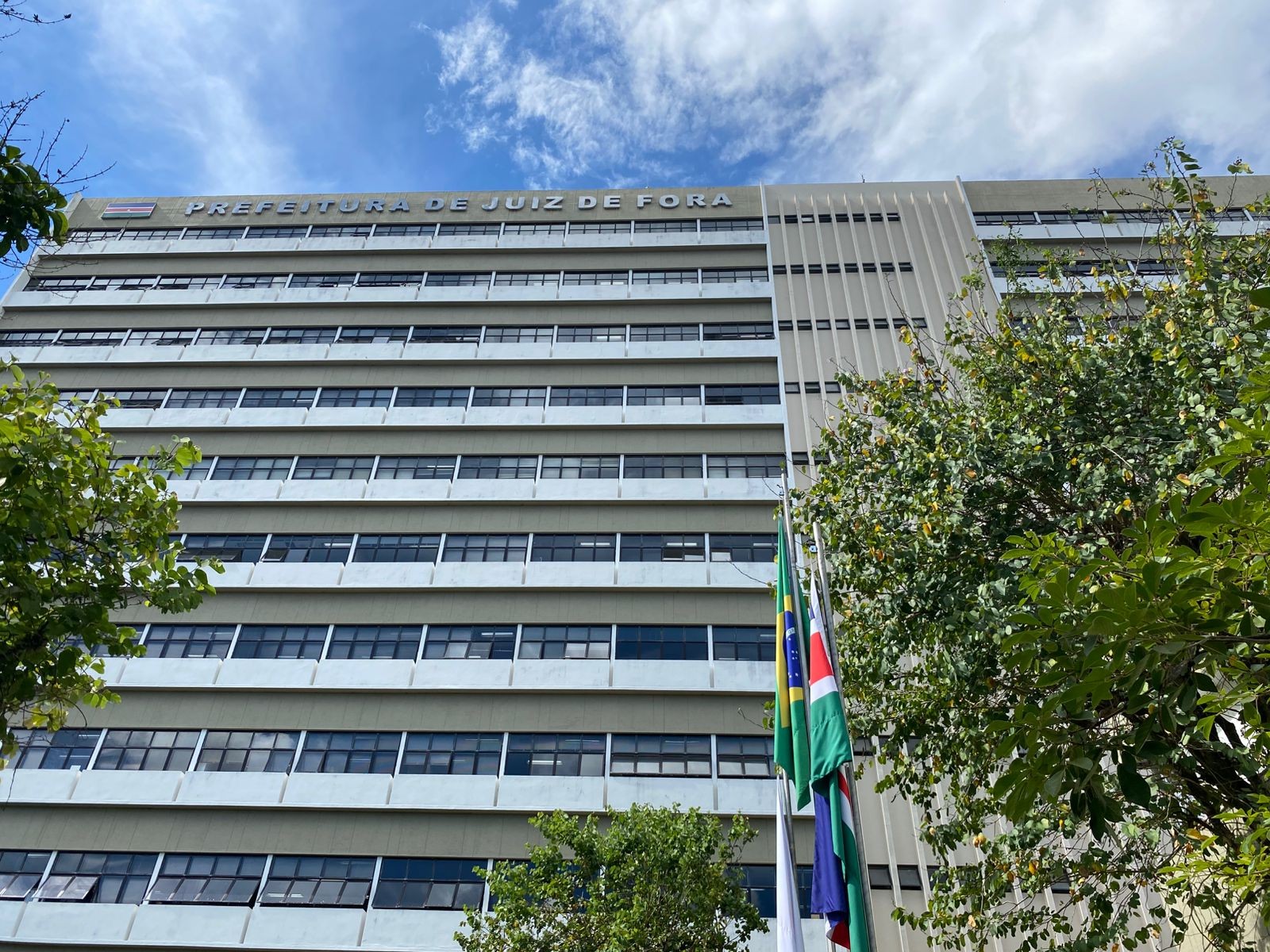
Juiz de Fora, Brazil, has enacted two laws to restructure its municipal employee health plan, formerly known as PAS-JF. The changes aim to improve management and address significant accumulated debts. Law nº 15.448 establishes the new Municipal Public Servant and Employee Health Program (PASEPM), replacing the PAS-JF. Law nº 15.449 creates a special fund to manage and pay off approximately R$ 24 million in debts owed to hospitals, clinics, and other service providers under the old program. A key reform is the creation of the Autarchy Gestora do Programa de Saúde dos Servidores (AGPSS), an independent administrative body responsible for managing and overseeing the new health program. This autarchy will have its own legal personality and autonomy, with an Executive Directorate, Board of Directors, and Fiscal Council. Service provision will be handled by an operator contracted through a public bidding process, with the AGPSS monitoring the contract and defending employee interests. The new system introduces a "Health Aid" (Auxílio-Saúde) to subsidize employee monthly payments to the contracted operator. Copayments will be capped at 30% for outpatient procedures, with no copayments for hospitalizations, surgeries, or cancer treatments. The municipality is still discussing the exact amount of the Health Aid with employee unions. The AGPSS will not be liable for the old PAS-JF debts; these remain the responsibility of the Municipality of Juiz de Fora, though the new fund allows for potential debt offsets. The transition period for employees will be six months, extendable for another six, with continuity of health assistance guaranteed. The new program emphasizes transparency through public reporting and includes employee and union representation on its board.
The restructuring of Juiz de Fora's municipal employee health plan signifies a systemic effort to transition from direct municipal administration to a more outsourced, regulated model. This shift, involving the creation of an autarchy and contracting a private operator, aims to improve financial management and service delivery by separating operational responsibilities and establishing clearer oversight. The establishment of a dedicated fund to address the R$ 24 million debt reflects a pragmatic approach to legacy issues, while the introduction of copayments and a health aid subsidy attempts to balance cost-sharing and affordability for employees. Future sustainability will likely depend on the effectiveness of the bidding process for the operator, the adequacy of the health aid, and the AGPSS's capacity for robust contract monitoring and fiscal oversight. This move aligns with broader trends in public administration seeking efficiency gains through specialized entities and market mechanisms, though it introduces new governance complexities and reliance on external providers.
AI-generated to prompt reflection — not editorial opinion, not advice, not a statement of fact. How this works.