Juiz de Fora's cold weather plan relies on outdated 2022 census data
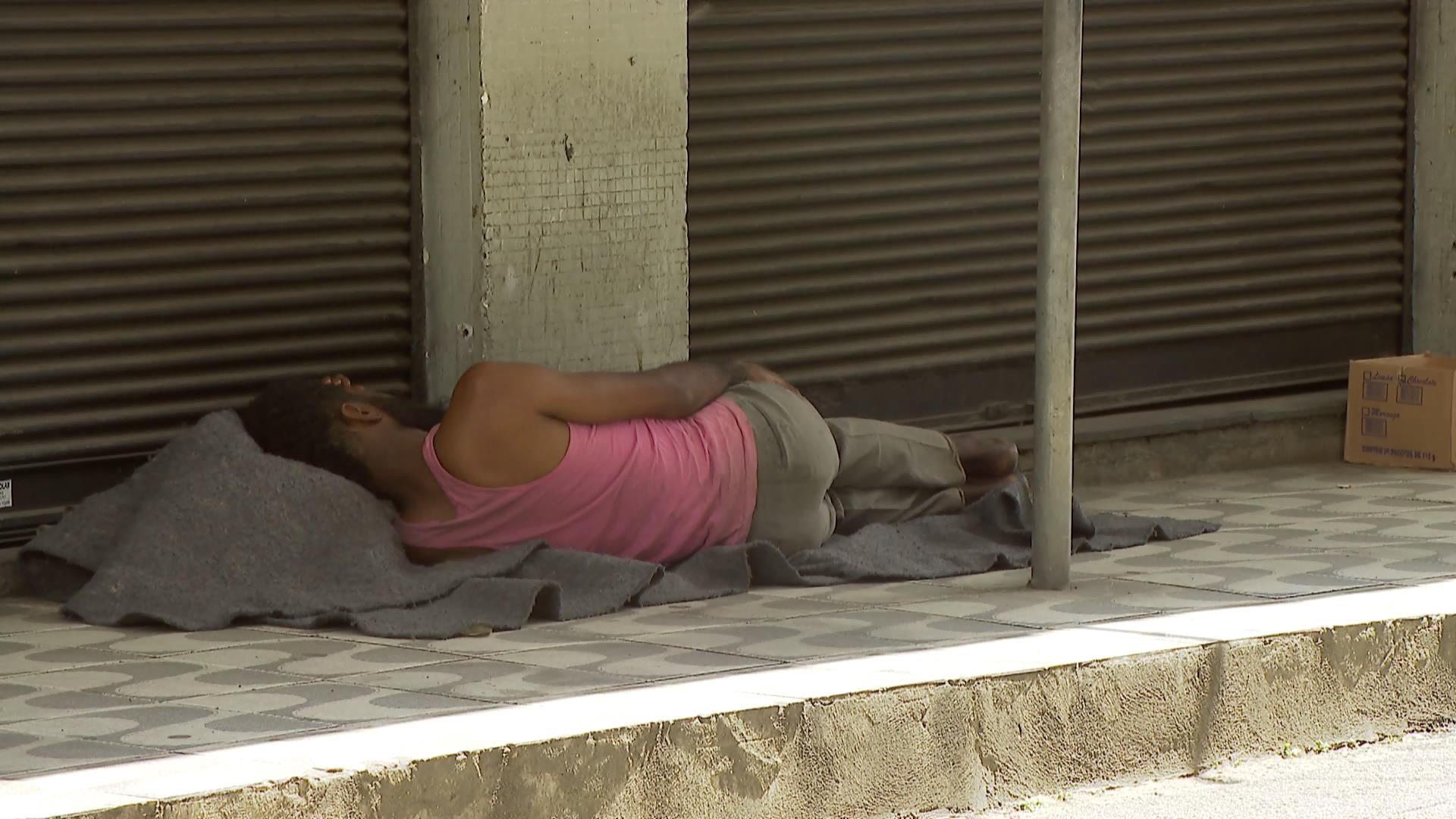
The Juiz de Fora City Hall has launched its 2026 Contingency Plan for Low Temperatures, aiming to coordinate inter-secretariat efforts to assist the homeless population during intense cold spells. However, the plan's foundation is the 2022 Census and Diagnosis of the Adult Population in Situation of Rua, with no subsequent updates conducted by the municipality. Experts warn that this lack of current data hinders the identification of those in need, their primary demands, and the efficient allocation of public resources. While the city hall states that daily monitoring by the social assistance network guides actions, a professor and researcher involved in the 2022 census emphasized that this is insufficient and that updated diagnoses should have been performed in 2024 and again in 2026. The city hall has indicated plans to contract a new census for the homeless population this semester. Periodic census updates are crucial for tracking changes in the profile of the homeless and adapting public policies accordingly. Relying solely on service utilization as an indicator of demand is problematic, as many individuals may not seek assistance due to lack of available spots or unsuitable shelter models. The 2022 census revealed that while 60% of respondents could access shelters, approximately 70% reported difficulties with the services provided, citing issues like restrictions on pets or work equipment. The last census in 2022, a collaboration between the city hall and the Federal University of Juiz de Fora (UFJF), identified 805 homeless individuals, a 110% increase from 2016. It also detailed their profile: 84.7% men, 75% Black or mixed-race, average age 43, nearly 40% homeless for over five years, and 35.3% losing housing during the COVID-19 pandemic. Notably, 54.2% had formal employment before losing their homes, with job and housing being the most cited needs for leaving the streets. The city hall maintains that its current interventions, including social approach teams, a POP Center, three transit houses, and four 24-hour shelters, are guided by continuous monitoring and that there are no unmet demands for shelter vacancies, with occupancy rates around 80-90%.
The reliance on a four-year-old census for Juiz de Fora's cold weather contingency plan highlights a common challenge in public policy: the lag between data collection and real-world needs. While daily monitoring offers some real-time insight, it cannot fully substitute for comprehensive demographic and needs assessments. This data deficit risks misallocating resources, potentially funding services that do not align with the current profile or evolving challenges faced by the homeless population. The city's commitment to a new census this semester is a positive step, but the systemic issue points to the need for more frequent and integrated data collection mechanisms. Future policy frameworks should consider leveraging technology for continuous, dynamic population tracking to ensure interventions remain relevant and effective in addressing the complex, shifting landscape of urban homelessness, especially in the context of increasing climate variability and socioeconomic pressures.
AI-generated to prompt reflection — not editorial opinion, not advice, not a statement of fact. How this works.