Juiz de Fora Sees Average of Two Venomous Animal Incidents Daily
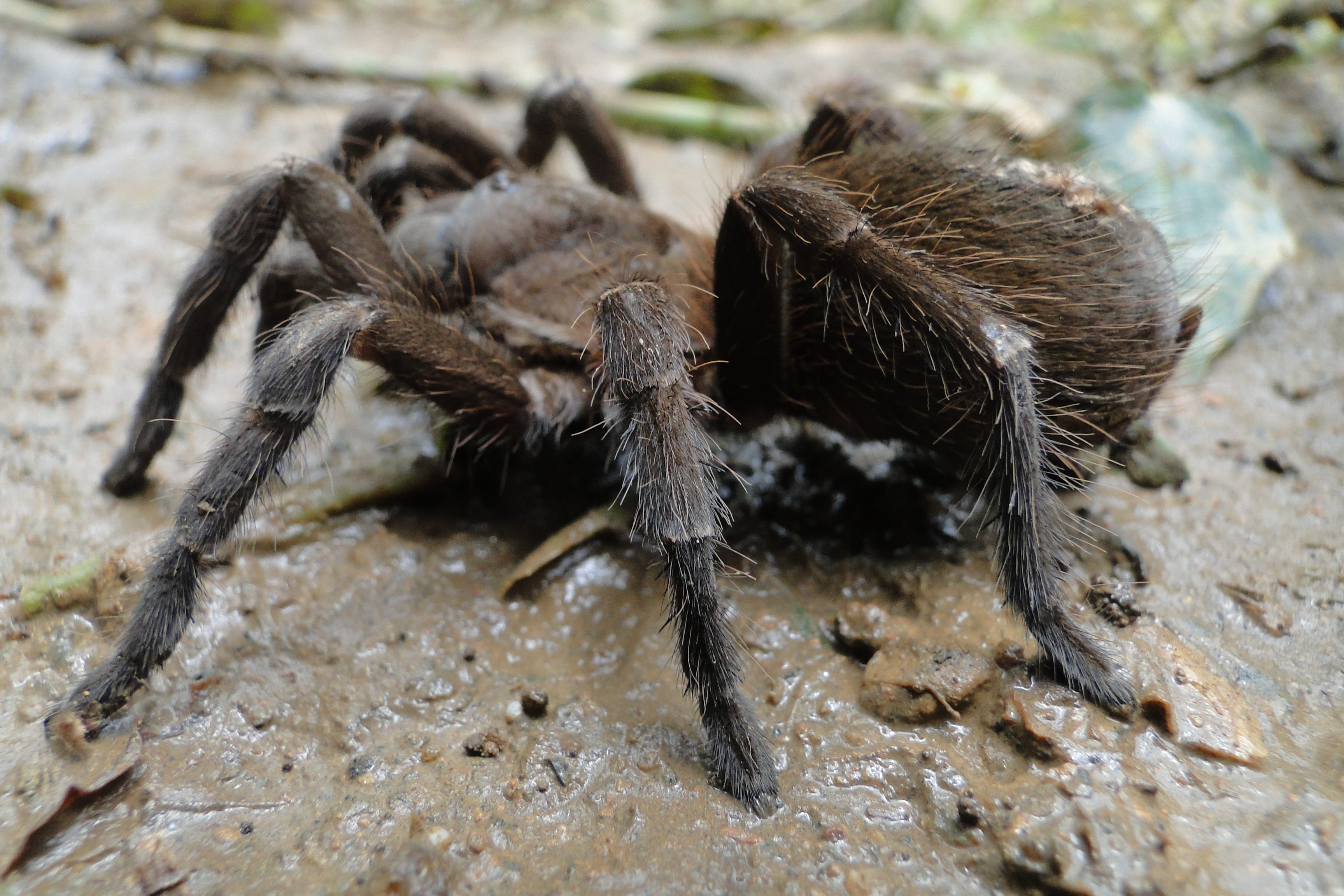
Juiz de Fora recorded an average of approximately two incidents per day involving venomous animals between January 1 and June 11, 2026. In total, there were 325 such occurrences during this period, according to data from the State Health Secretariat of Minas Gerais' Health Surveillance Portal. Spiders were the most frequent cause, accounting for 118 cases, followed by scorpions with 53 cases and snakes with 16. In 104 instances, the specific animal responsible was not identified. The feet were the most commonly affected body part, with 84 incidents. The data also revealed that 11.69% of these accidents were related to work activities, while the vast majority, 85.54%, were not professionally linked. The age group between 50 and 59 years old experienced the highest number of incidents, with 61 cases. Children and adolescents aged 1 to 19 years accounted for 53 accidents. These incidents have shown an increasing trend in recent years, with 460 cases reported in 2024 and 643 in 2025, the highest figure in recent records. To prevent such accidents, authorities advise caution when wearing shoes, boots, and gloves, checking them for animals beforehand, and wearing protective gear during yard work. It is also recommended not to handle potentially venomous animals, even if they appear deceased or harmless, and to contact the Fire Department for safe removal if one is encountered. In the event of a bite, immediate medical attention should be sought, and if possible, a photo of the animal should be taken to aid in identification.
The reported rise in venomous animal incidents in Juiz de Fora highlights a potential imbalance between urban development and natural habitats, or shifts in animal behavior influenced by environmental factors. Public health messaging and preventative measures, such as those advised by the Fire Department, are crucial for mitigating risks. However, the data also suggests a need to investigate underlying systemic causes, such as land use changes, climate impacts on species distribution, or socioeconomic factors influencing exposure, particularly in relation to work activities. Understanding these drivers will be key to developing more effective, long-term public health strategies and urban planning policies that foster coexistence between human populations and local wildlife, especially as the region navigates future environmental and demographic shifts.
AI-generated to prompt reflection — not editorial opinion, not advice, not a statement of fact. How this works.