Juiz de Fora: Seven Voting Locations Relocated for 2026 Elections
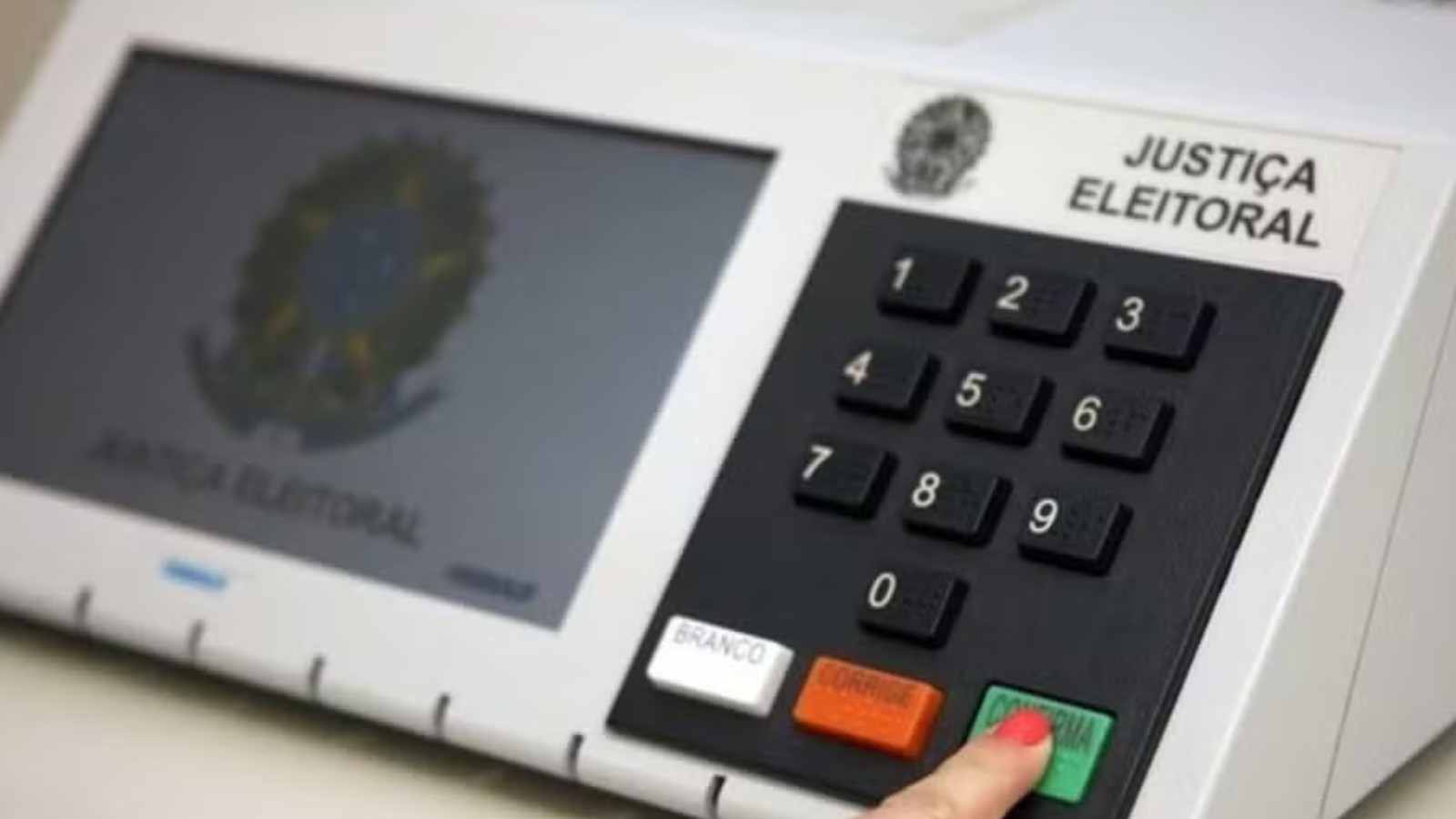
Seven polling stations in Juiz de Fora, Brazil, will have new addresses for the upcoming October 2026 elections. The Regional Electoral Court of Minas Gerais (TRE-MG) announced the changes, attributing six of them to facility damage caused by heavy rains in February. The seventh relocation is due to ongoing municipal sanitation works by Cesama.
According to the TRE, voters do not need to take any action to update their registration details, as the changes have been automatically applied within the Electoral Justice system. The first round of the 2026 general elections is scheduled for October 4th nationwide, with a potential second round for presidential and gubernatorial races on October 25th.
Specific relocations include the Colégio de Aplicação João XXIII and Escola Estadual Maria das Dores de Souza moving to Universidade Salgado de Oliveira (Universo). The Centro Comunitário Carlos Chagas will relocate to Capela Nossa Senhora das Graças. Escola Municipal Santa Cândida will move to Escola Estadual Professor Cândido Motta Filho, Escola Municipal Murilo Mendes to Escola Municipal Professor Oscar Schmidt, and Escola Municipal Antônio Faustino da Silva to Escola Municipal Vereador Ray Hargreaves. The Capela São Francisco de Assis will move to A.A. Grupo Caminho da Salvação.
The TRE advises all voters to verify their updated polling station location through official Electoral Justice channels before heading to vote.
This relocation of polling stations highlights the intersection of electoral logistics with environmental and infrastructural challenges. The necessity for six out of seven changes due to weather-related damage underscores the vulnerability of fixed polling infrastructure to extreme climate events, prompting consideration of more resilient or adaptable venue selection criteria for future elections. The single change attributed to municipal works points to the ongoing need for inter-agency coordination to ensure public services, including elections, are not disrupted by essential infrastructure projects. As Brazil prepares for its 2026 elections, these localized adjustments serve as a microcosm of broader systemic issues regarding urban planning, climate adaptation, and the operational continuity of democratic processes in the face of environmental and developmental pressures.
AI-generated to prompt reflection — not editorial opinion, not advice, not a statement of fact. How this works.