Juiz de Fora University Lays Off 47 Contract Workers, Disrupting Cultural Venues
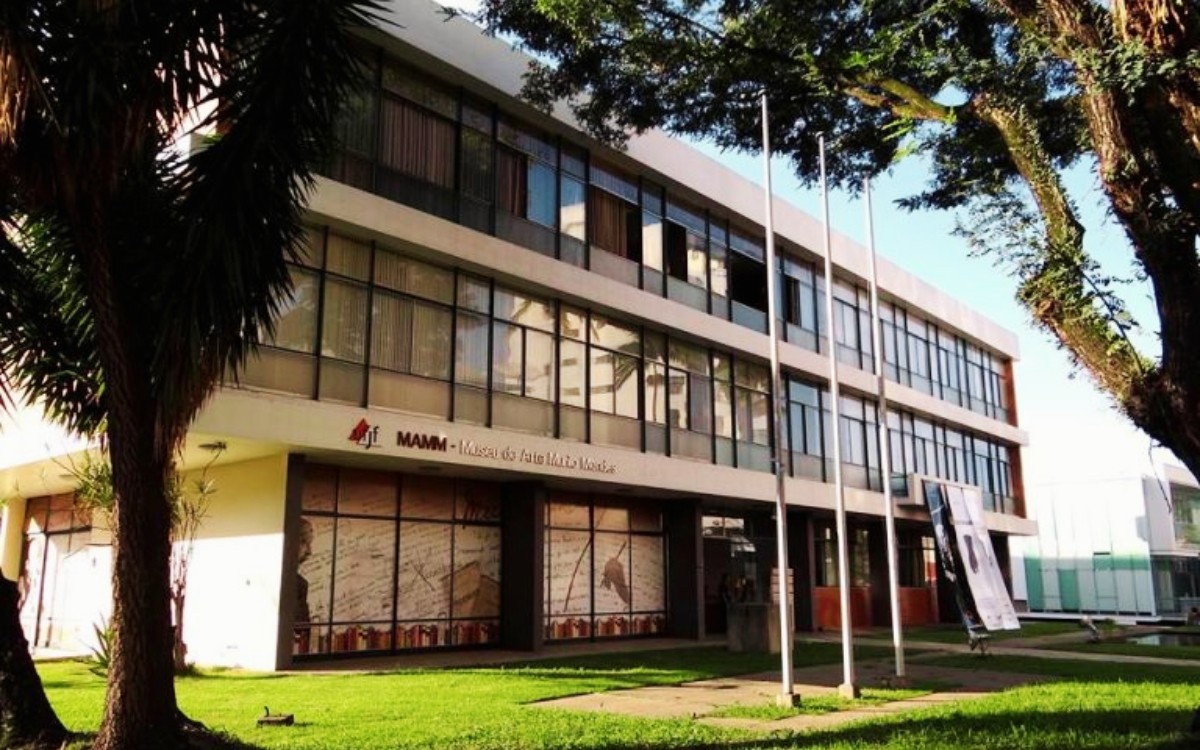
The Federal University of Juiz de Fora (UFJF) has terminated the contracts of 47 outsourced workers from its Culture Department (Procult), leading to the closure of several key cultural institutions. The affected venues include the Murilo Mendes Art Museum (MAMM), the Central Cine-Theater, the Culture Forum, and the Guaçuí Gallery, as well as studios and labs vital for the Institute of Arts and Design (IAD) students. These facilities were non-operational as of Friday, July 3rd. The university stated that the dismissals were due to the contracting company, Stark Service, failing to provide necessary documentation for regularization with the Federal Revenue Service, legally preventing UFJF from renewing their contract. UFJF is currently assessing the situation and aims to restore full operation of these cultural sites by next week. Stark Service, however, indicated that their contract with UFJF concluded on July 1st, and they had already issued prior notice to their employees. Some affected workers expressed surprise, as they had anticipated a contract renewal or cancellation based on a three-year projection. The Central Student Directorate (DCE) of UFJF voiced strong concern, highlighting the injustice to long-serving professionals and the negative impact on the academic community, particularly within the IAD and the Faculty of Social Communication. The DCE condemned the outsourcing model, citing it as a source of instability and precariousness for workers, and advocated for the protection of public university employees.
The abrupt dismissal of 47 outsourced cultural staff at UFJF, impacting public access to museums and theaters, reveals systemic vulnerabilities in public university management and labor practices. The university's reliance on a third-party contractor, Stark Service, whose failure to meet regulatory requirements triggered the layoffs, underscores the risks inherent in outsourcing. This situation highlights a potential disconnect between administrative compliance and operational continuity, particularly concerning cultural assets that serve both academic and broader community needs. The DCE's criticism points to the broader debate on the merits of outsourcing in public institutions, questioning whether cost-saving measures should supersede job stability and the accumulated expertise of long-term contract employees. Moving forward, UFJF faces the challenge of balancing fiscal responsibility with its commitment to cultural accessibility and employee welfare, while also considering the long-term implications of such employment models on institutional knowledge and community engagement.
AI-generated to prompt reflection — not editorial opinion, not advice, not a statement of fact. How this works.