Julián Montoya's Outcry Over Final Play: "If the Tackle Wasn't There, It's a Try"
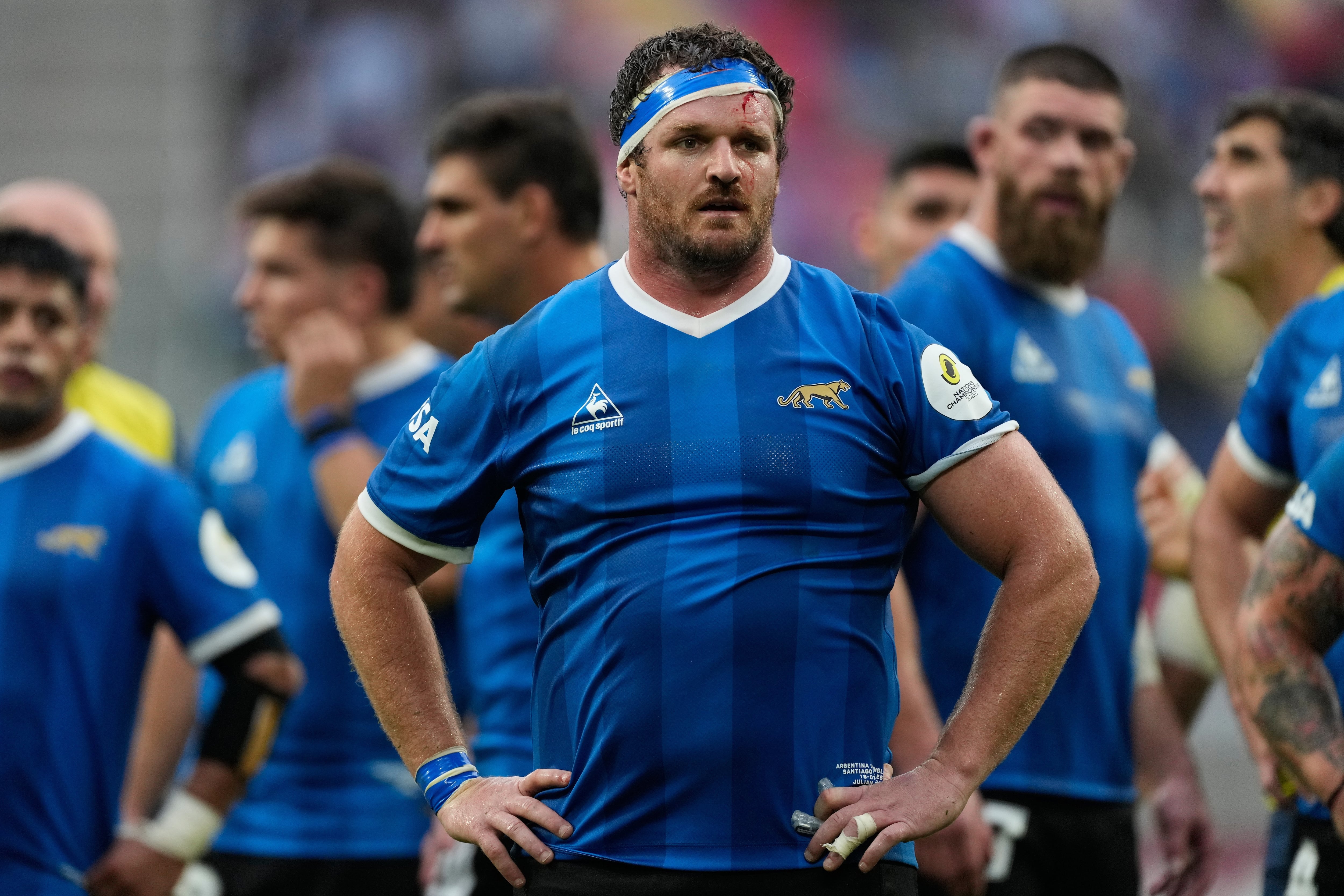
Los Pumas captain Julián Montoya expressed strong dissatisfaction with the officiating during the final moments of a recent match. He specifically criticized the referee, Angus Gardner, for not awarding a try or penalizing a tackle that he believed was made to the neck. Montoya argued that if the tackle in question had not been executed, the opposing team would have successfully scored a try. This incident occurred during the closing stages of the game, significantly impacting the final outcome. Montoya also called for introspection within his own team, acknowledging that errors were made by Los Pumas. The captain's comments highlight a contentious moment in the game, raising questions about the referee's decision-making and the team's performance. The team captain's reaction underscores the high stakes and intense emotions involved in international rugby. The post-match analysis is likely to focus on both the officiating and the team's execution.
The controversy surrounding the final play of the rugby match, particularly concerning a potential neck tackle and an unawarded try, highlights the critical role of officiating in determining game outcomes. Such incidents can lead to significant debate regarding player safety, adherence to rules, and the integrity of the sport. From a systemic perspective, the reliance on human referees, even with technological aids like VAR, presents inherent challenges in achieving perfect accuracy. This situation prompts consideration of how officiating standards and review processes can be continuously improved to ensure fairness and player well-being. Future developments in sports officiating may involve more advanced AI assistance or enhanced training protocols to minimize such contentious moments and maintain spectator confidence.
AI-generated to prompt reflection — not editorial opinion, not advice, not a statement of fact. How this works.