July 2021 Unrest Accused Go to Trial in South Africa
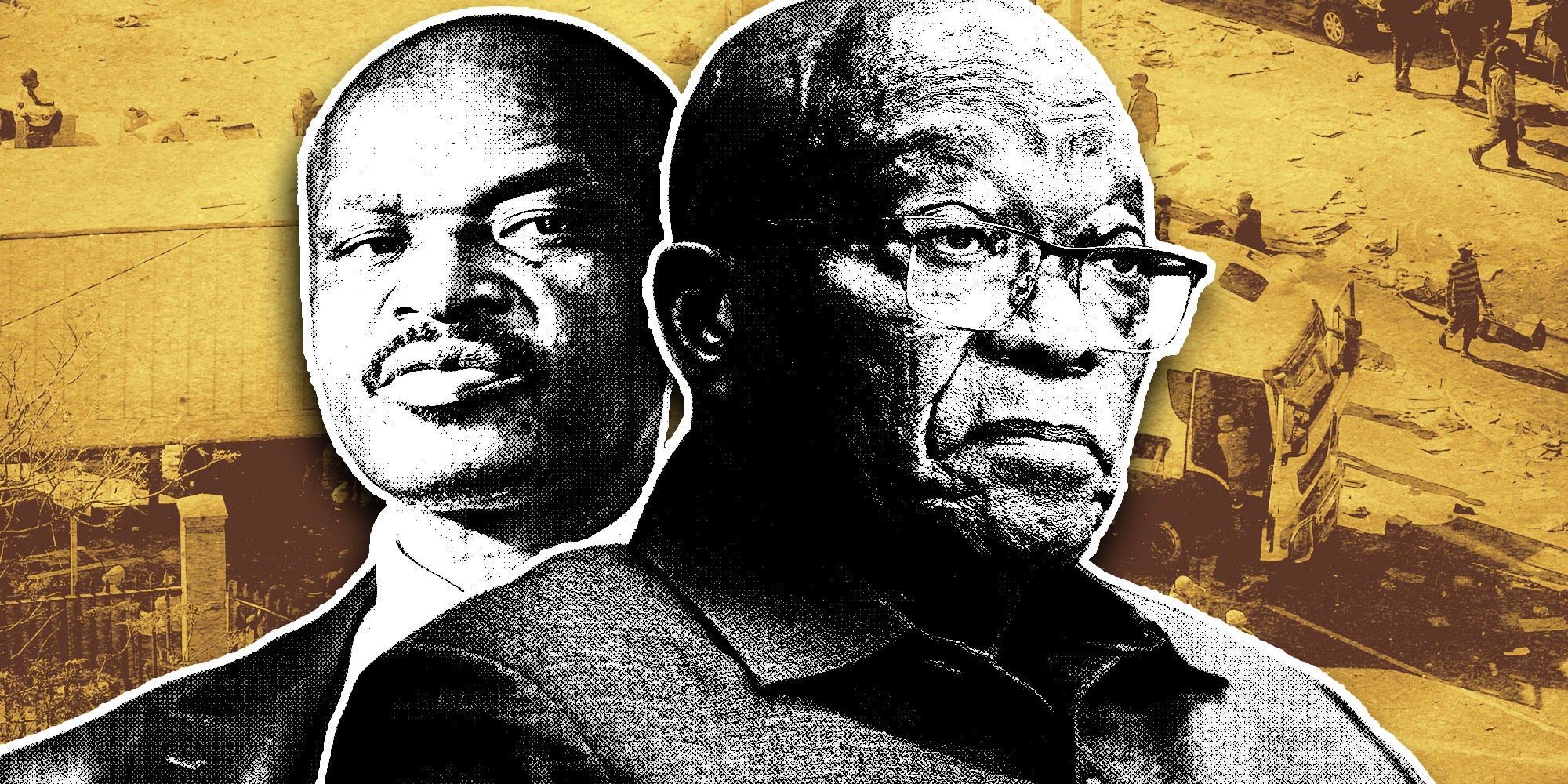
Sixty-two individuals are finally set to appear in the KwaZulu-Natal High Court to face charges related to terrorism, sedition, and insurrection. This trial comes nearly five years after the widespread unrest that occurred in South Africa, which is considered the deadliest period of civil disturbance in the nation's democratic history. The violence resulted in the deaths of 354 people. Prosecutors contend that the unrest was orchestrated through three specific WhatsApp groups. The alleged objective of these coordinated actions was to secure the release of former President Jacob Zuma.
The upcoming trial of 62 individuals accused in the July 2021 unrest marks a significant legal development following a period of intense civil disturbance. The prosecution's focus on WhatsApp groups as coordination tools highlights the evolving role of digital communication in organizing collective action, both legitimate and illicit. This case underscores the challenges law enforcement and judicial systems face in attributing responsibility and prosecuting complex events that unfold rapidly across digital and physical spaces. The lengthy delay in bringing these cases to trial may raise questions about investigative capacity, resource allocation, and the efficiency of the justice system in addressing large-scale public disorder. As the trial proceeds, it will be crucial to examine the evidence presented regarding the alleged coordination and intent, particularly in relation to charges of terrorism and sedition, and to consider the broader implications for public order management and digital governance in South Africa.
AI-generated to prompt reflection — not editorial opinion, not advice, not a statement of fact. How this works.