July 28, 1851: The First Photograph of a Total Solar Eclipse
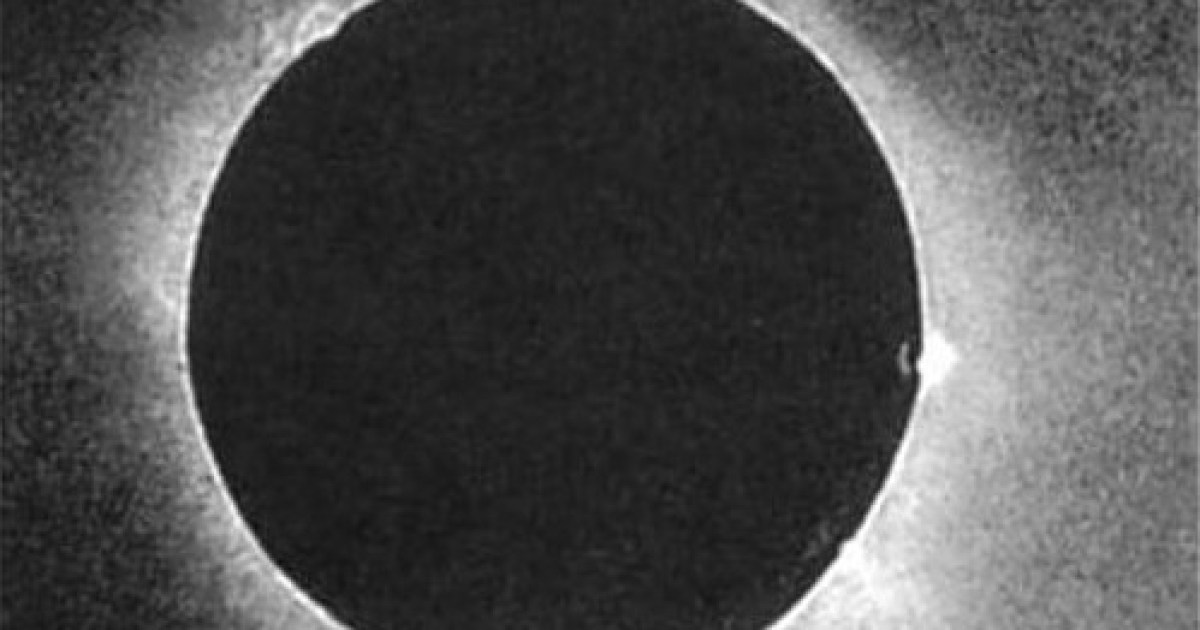
The total solar eclipse on July 28, 1851, holds historical significance as the first to inspire dedicated eclipse expeditions. Its path of totality traversed from present-day western Canada to Ukraine. European astronomers specifically focused their observations on Norway and Sweden. The city of Bergen, Norway, was a key location for these scientific endeavors. This event marked a pivotal moment in astronomical observation, enabling the capture of the first photographic record of a total solar eclipse. The development of photography allowed for a more detailed and lasting documentation of celestial phenomena than previously possible. This photographic evidence provided invaluable data for scientific study and public understanding of eclipses.
The advent of photography in astronomical observation, exemplified by the 1851 total solar eclipse, democratized scientific data and understanding. Previously, observations relied on sketches and written accounts, subject to individual interpretation and memory. Photographic capture provided a more objective and permanent record, facilitating wider dissemination and collaborative study. This shift foreshadows the data-rich era of modern astronomy, where vast digital archives enable global research networks. The event highlights how technological advancements can fundamentally alter the pace and scope of scientific discovery, moving from limited, localized observation to broadly accessible, verifiable evidence.
AI-generated to prompt reflection — not editorial opinion, not advice, not a statement of fact. How this works.