July 9th Holiday Travel: Vale do Paraíba Road Congestion Forecast
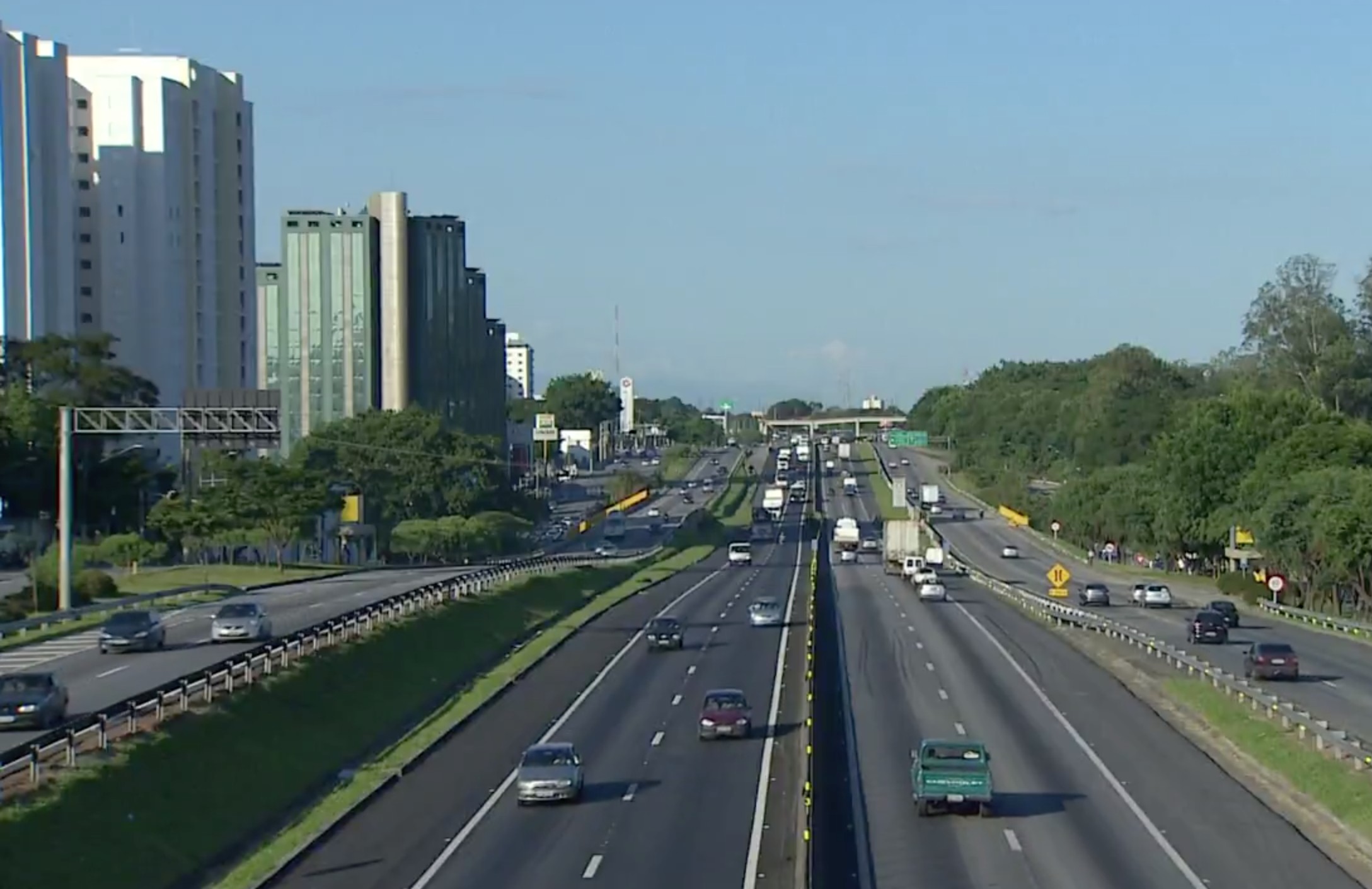
Travelers planning trips during the July 9th Constitutionalist Revolution holiday in Brazil's Vale do Paraíba region should anticipate significant traffic. Road congestion is expected to build starting Wednesday afternoon, July 8th. Several major highways are projected to see heavy use. Rodovia dos Tamoios is estimated to handle 147,000 vehicles, with peak travel times towards the coast on Thursday, July 9th, from 4 PM onwards, and Friday, July 10th, from 8 AM to 2 PM. The return trip is expected to be busy on Sunday, July 12th, starting at 10 AM. Rodovia Presidente Dutra, managed by RioSP, anticipates a massive 2,020,998 vehicles. Peak outbound traffic on Dutra is predicted for Wednesday, July 8th (351,852 vehicles, 4 PM-5 PM) and Thursday, July 9th (351,874 vehicles, 9 AM-11 AM). The return journey on Sunday, July 12th, is forecast to see 384,148 vehicles, with congestion from noon to 4 PM. The Ayrton Senna/Carvalho Pinto corridor, operated by Ecovias Leste Paulista, expects up to 700,000 vehicles. Peak times for this corridor are Wednesday, July 8th (3 PM-8 PM) and Thursday, July 9th (8 AM-4 PM) heading inland. The return to the capital on Sunday, July 12th, could see traffic from 11 AM to 11 PM. Rodovia Dom Pedro I is projected to carry 540,000 vehicles, with heavy traffic expected to begin Wednesday, July 8th, from 3 PM. Rodovia Floriano Rodrigues Pinheiro is anticipated to accommodate 143,107 vehicles, with specific off-peak travel windows provided for Wednesday, Thursday, Friday, Saturday, and Sunday, suggesting travelers aim for early mornings or late nights to avoid delays.
This forecast highlights the predictable surge in travel demand during public holidays, a common challenge for infrastructure management and public safety. The data illustrates the significant economic activity tied to holiday travel, with millions of vehicles expected across key routes. While providing peak hour information aims to mitigate congestion, the sheer volume suggests that traffic management strategies may be strained. Future planning could explore dynamic tolling, enhanced public transport options, or staggered holiday periods to distribute demand more evenly. Understanding these patterns is crucial for optimizing resource allocation and improving the traveler experience in the long term, especially as population growth and vehicle ownership continue to rise.
AI-generated to prompt reflection — not editorial opinion, not advice, not a statement of fact. How this works.