July Holiday Rentals: Serra Negra Prices Surge 43%, Águas de Lindóia Plunge 53%
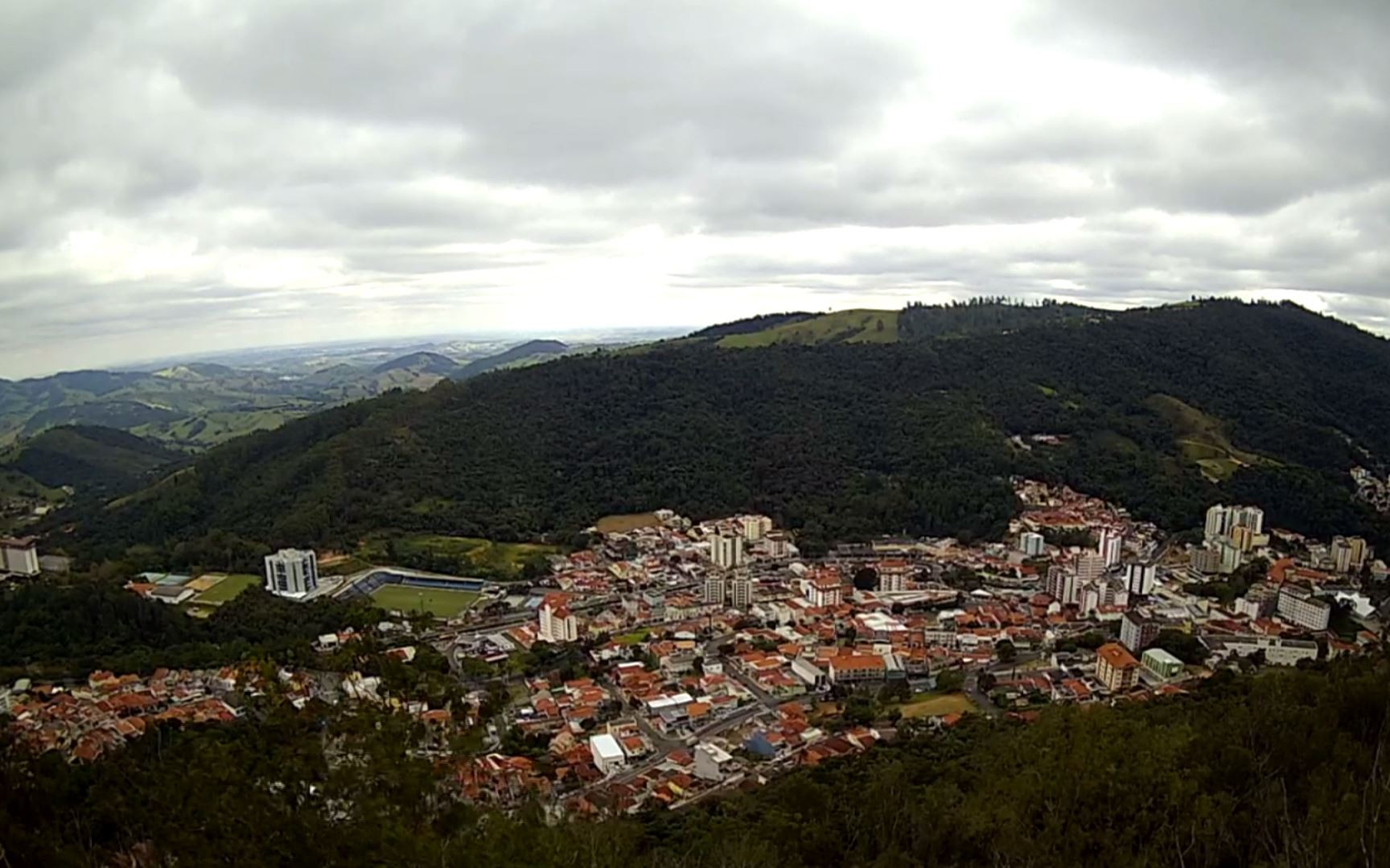
The law of supply and demand dictated contrasting trends in July 2026 holiday rental prices across two popular Brazilian tourist destinations. In Serra Negra, São Paulo, daily rental rates for properties increased by approximately 42.8%, while in Águas de Lindóia, São Paulo, they plummeted by 53.1%. These figures were reported by the Regional Council of Real Estate Brokers of São Paulo (Crecisp). According to Crecisp President Augusto Viana, a larger supply of seasonal rentals generally leads to lower daily rates, whereas a scarcity of options drives prices up. Águas de Lindóia saw an increase in available rental properties this year, contributing to the price decrease. The daily rate for three-bedroom houses in Águas de Lindóia dropped from R$ 942 in 2025 to R$ 441 in 2026. Conversely, Serra Negra experienced stable availability of rental properties but maintained high demand, fueled by its growing real estate market attracting buyers and tourists. This imbalance resulted in a 42.8% rise in the daily rate for four-bedroom houses, from R$ 903 to R$ 1,290. Both cities are key attractions in the Paulista Water Circuit, drawing visitors seeking cooler winter climates, local cuisine, and relaxation. The research also noted a shift in tourist behavior, with visitors demonstrating greater budget consciousness and favoring regional, nature-focused, and cultural tourism. There's also a trend towards larger group travel, increasing demand for spacious accommodations, and a preference for digital payment methods like Pix and credit card installments.
The diverging rental price trends in Serra Negra and Águas de Lindóia highlight the sensitivity of short-term rental markets to local supply-demand dynamics, particularly during peak holiday seasons. While Serra Negra's price surge reflects a classic market response to high demand and constrained supply, Águas de Lindóia's sharp decline suggests either a significant oversupply or a potential mispricing strategy by property owners. The report's mention of a 'new profile of visitors' being more budget-conscious and favoring regional tourism could indicate a broader shift in consumer behavior, potentially impacting future tourism strategies and investment in these areas. Understanding these micro-market fluctuations is crucial for local authorities and real estate stakeholders to foster sustainable tourism growth and avoid boom-and-bust cycles.
AI-generated to prompt reflection — not editorial opinion, not advice, not a statement of fact. How this works.