July New Moon: Understanding Its Meaning and Renewal Energy
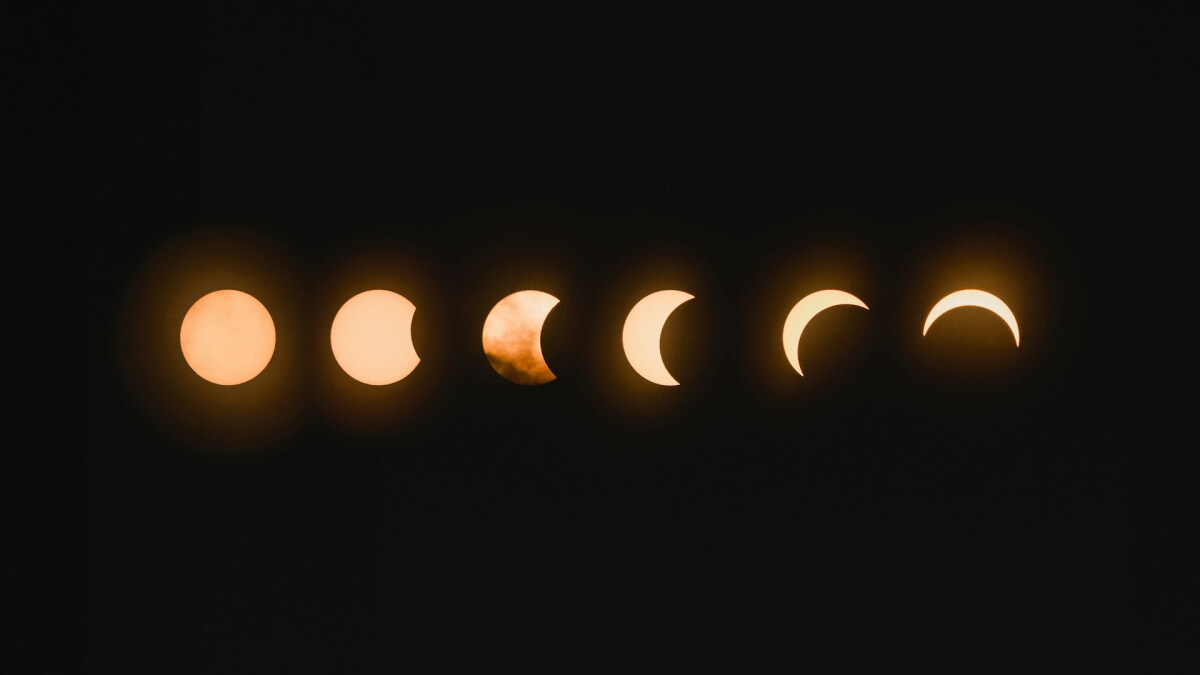
The New Moon in July, occurring in the week of July 14, 2026, signifies a potent phase of renewal within the lunar cycle. Understanding the different phases of the Moon and their implications offers a way to connect with its natural rhythms. This particular lunar stage is highlighted for its capacity to foster new beginnings and personal transformation. Observing and acknowledging these celestial cycles can provide a framework for introspection and setting intentions. The energy associated with the New Moon is often seen as a time for planting seeds, both literally and metaphorically, for future growth. It represents a period of introspection before the Moon begins its waxing journey towards fullness. This phase encourages individuals to reflect on their goals and aspirations. It is an opportune moment to initiate new projects or habits that align with personal development. The cycle serves as a reminder of nature's continuous rhythm and the potential for fresh starts.
The cyclical nature of lunar phases, particularly the New Moon, has historically been associated with themes of renewal and intention-setting across various cultures. From a systemic perspective, these astronomical events provide a consistent, observable phenomenon that can serve as a focal point for personal reflection and goal alignment. In the context of societal engagement with natural cycles, understanding these phases can offer a structured approach to personal development, independent of technological advancement. The perceived 'energy' of such phases, while not scientifically quantifiable in a direct causal sense for human behavior, can act as a psychological catalyst, encouraging individuals to initiate changes and foster a sense of momentum. This aligns with broader human psychological needs for structure, ritual, and perceived control over personal trajectories, especially as societies navigate increasingly complex and rapidly changing technological landscapes.
AI-generated to prompt reflection — not editorial opinion, not advice, not a statement of fact. How this works.