July's 'Buck Moon' Visible Ahead of August's Near-Total Lunar Eclipse
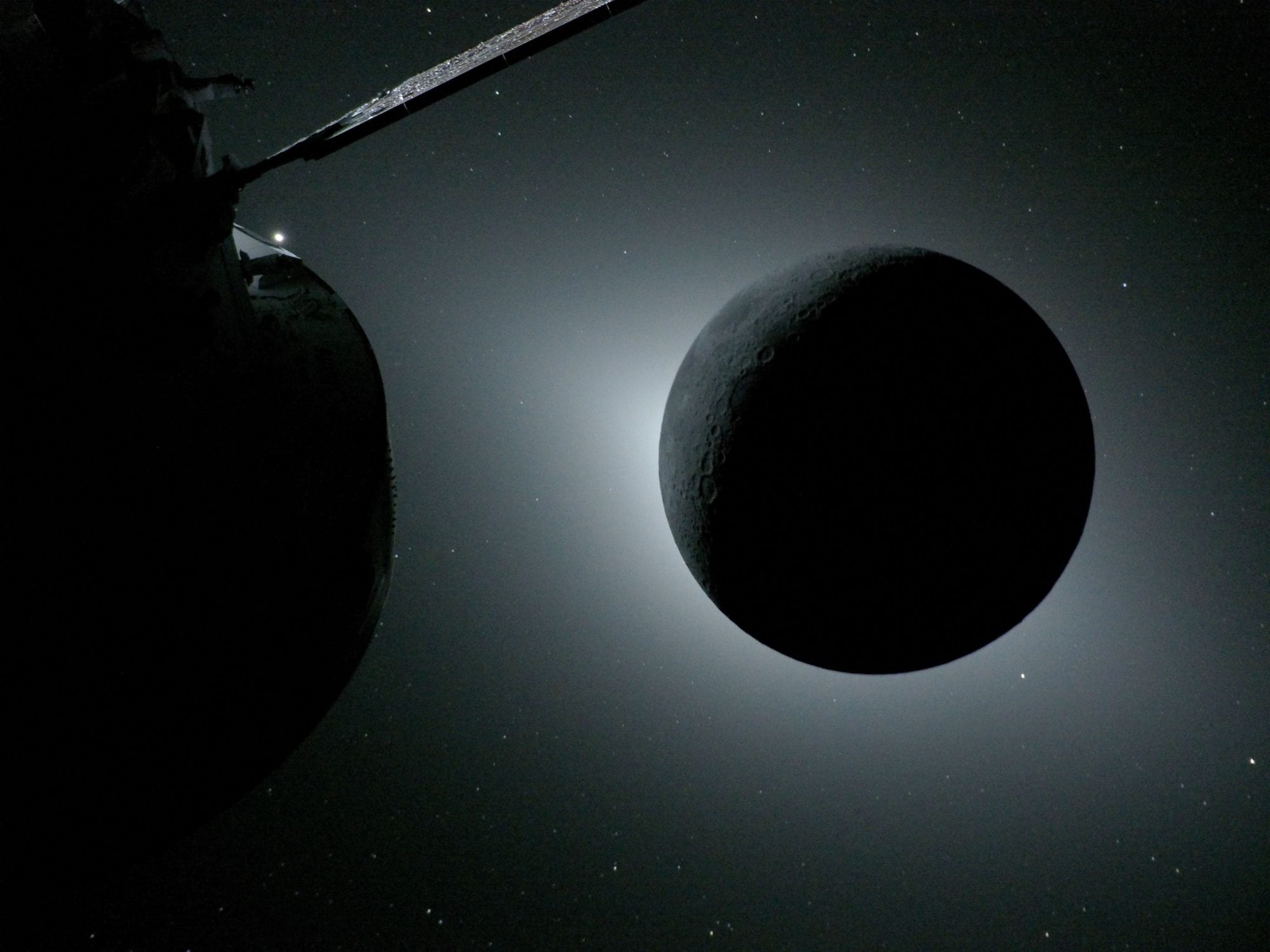
The full moon of July, known as the 'Buck Moon', is currently visible and serves as a prelude to a significant astronomical event. In August 2026, a lunar eclipse is set to occur that will obscure approximately 93% of the Moon. This near-total eclipse will be observable in the United States, offering a spectacular celestial display. The July 'Buck Moon' is named after the time of year when male deer, or bucks, begin to grow their new antlers. Its visibility provides an opportunity for skygazers to appreciate the moon before the more dramatic eclipse event. The upcoming eclipse is expected to be a major astronomical highlight, drawing attention from both amateur and professional astronomers. Further details regarding the exact timing and best viewing locations for the August 2026 eclipse will be made available closer to the date. This event underscores the dynamic nature of celestial mechanics and offers a recurring opportunity for public engagement with astronomy.
The upcoming lunar eclipse in August 2026 presents a significant opportunity for public engagement with astronomical events. The near-total obscuration of the Moon, reaching 93%, will provide a compelling visual spectacle. Such events can foster scientific curiosity and highlight the predictive power of astronomical models. From a systemic perspective, the predictable cycles of celestial bodies like the Moon are fundamental to navigation, timekeeping, and scientific understanding. The widespread visibility across the United States suggests a broad audience will have access to this phenomenon, potentially driving interest in STEM fields. As we move further into the AI era, leveraging such natural events for educational outreach and data collection remains a valuable endeavor, connecting technological advancement with fundamental natural processes.
AI-generated to prompt reflection — not editorial opinion, not advice, not a statement of fact. How this works.