July Uprising: Mapping the Geography and Statistics of a Bloody Revolution
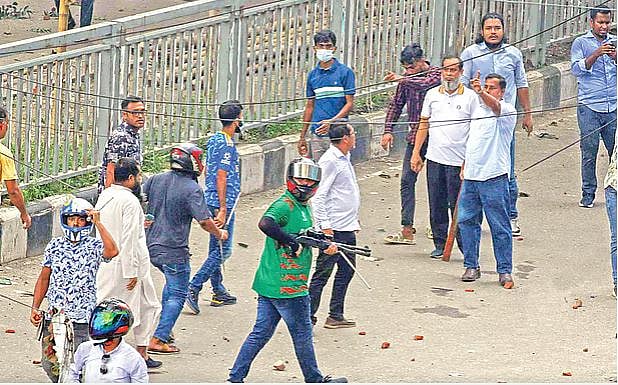
The student-public uprising in Bangladesh during July-August 2024 stands as a significant milestone in the nation's long history of struggle and resistance. This event marked a pivotal moment in the political and social evolution of Bangladesh. The uprising, characterized by widespread public participation, has left an indelible mark on the country's historical narrative. Its impact is being analyzed through its geographical spread and statistical data, reflecting the depth and breadth of the movement. The events of July-August represent a critical juncture, shaping the future trajectory of Bangladesh's governance and societal structure. The scale of the mobilization and the subsequent events are being meticulously documented to understand the full scope of this transformative period. This analysis aims to provide a comprehensive overview of the uprising's context and consequences.
The July-August 2024 uprising in Bangladesh represents a significant popular mobilization, reflecting deep-seated societal demands for change. Analyzing the 'geography and statistics' of such events is crucial for understanding the dynamics of political transitions and the effectiveness of citizen engagement. Such movements often arise from complex socio-economic and political factors, indicating potential systemic pressures within the existing governance framework. Future policy considerations might involve strengthening mechanisms for public discourse and ensuring equitable representation to preempt similar large-scale escalations. Understanding the underlying incentives and structural issues that fuel such widespread dissent is key to fostering long-term stability and democratic resilience.
AI-generated to prompt reflection — not editorial opinion, not advice, not a statement of fact. How this works.
