July Uprising Victim Loses Vision, Livelihood, Now Dependent on Aid
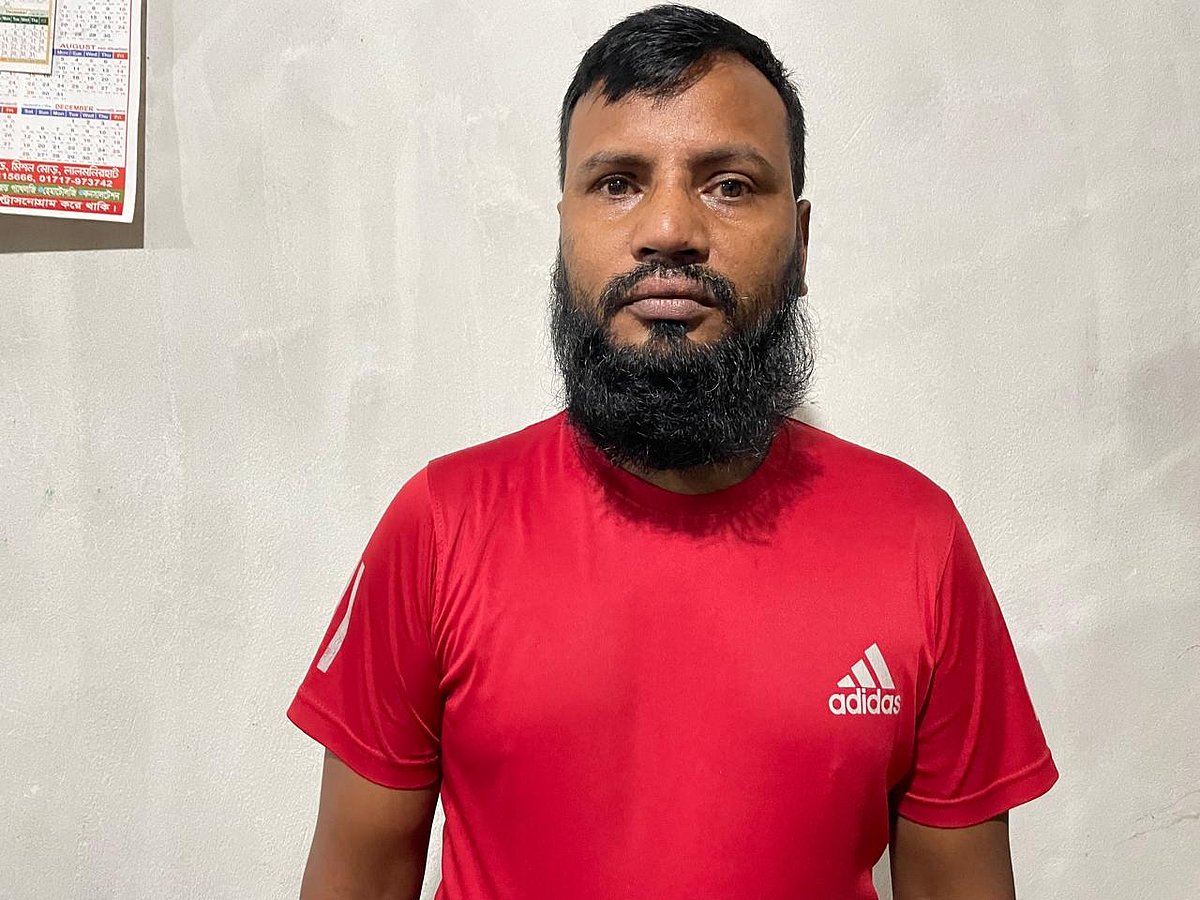
Mohammad Mizanur Rahman, 42, a former driver, lost his sight during the July 2024 mass uprising in Bangladesh. Previously earning 30,000-32,000 taka monthly, he now lives a dependent life, relying on a 20,000 taka monthly government allowance for 'Class A' injured individuals. This allowance is insufficient, with over 2,000 taka spent on medication alone and additional costs for medical trips to Dhaka. Mizanur, who previously worked as a personal driver for an engineer in Dhaka's Mirpur DOHS, was shot on August 5, 2024, while participating in a victory procession after the fall of the Awami League government. He sustained severe injuries to his head and face, resulting in complete blindness in his right eye and only 23-27% blurry vision in his left. He has undergone five eye surgeries in various Dhaka hospitals. Mizanur, originally from Lalmonirhat, now resides in his village with his parents, wife, and two young daughters, who attend a madrassa. His father is a sharecropper, and three of his brothers work in garment factories in Ashulia. The government has categorized injured individuals from the uprising into Class A (minimum one eye or limb damaged, unable to live independently, completely blind, mentally incapacitated, or unable to work), Class B (partially blind, severe head injury, or similar), and Class C (hearing or vision impaired, shot, or hospitalized but able to resume normal activities). Class A recipients receive 20,000 taka monthly, Class B receives 15,000 taka, and Class C receives 10,000 taka. Mizanur received a total of 11 lakh taka from government aid and other organizations, much of which has been spent. He mortgaged a betel nut garden for 2.5 lakh taka and bought three cows for 1.86 lakh taka, but the garden yielded only 13,000 taka in a year, while the cows incur monthly expenses of 10,000 taka without generating income. His wife now also suffers from health issues due to the increased workload. Mizanur recalls the kindness of two students who helped him immediately after he was shot, taking him to the hospital and contacting his family, an act for which he remains deeply grateful.
The narrative highlights the profound personal cost of political upheaval, shifting an individual from self-sufficiency to dependency. Mizanur Rahman's story underscores the systemic challenges faced by victims of conflict, particularly concerning long-term care, rehabilitation, and sustainable income replacement. The government's tiered allowance system, while providing some relief, appears insufficient to cover the comprehensive needs of severely injured individuals like Mizanur, especially considering ongoing medical expenses and the loss of earning potential. This situation raises questions about the adequacy of post-conflict support structures and the economic viability of individuals whose livelihoods are irrevocably altered by political events. Future policy considerations might focus on vocational retraining, enhanced medical support, and more robust financial provisions to ensure a dignified recovery and integration for those impacted by such societal disruptions.
AI-generated to prompt reflection — not editorial opinion, not advice, not a statement of fact. How this works.