Jundiaí Faces High Fire Risk Due to Dry Conditions; Cold Front Expected
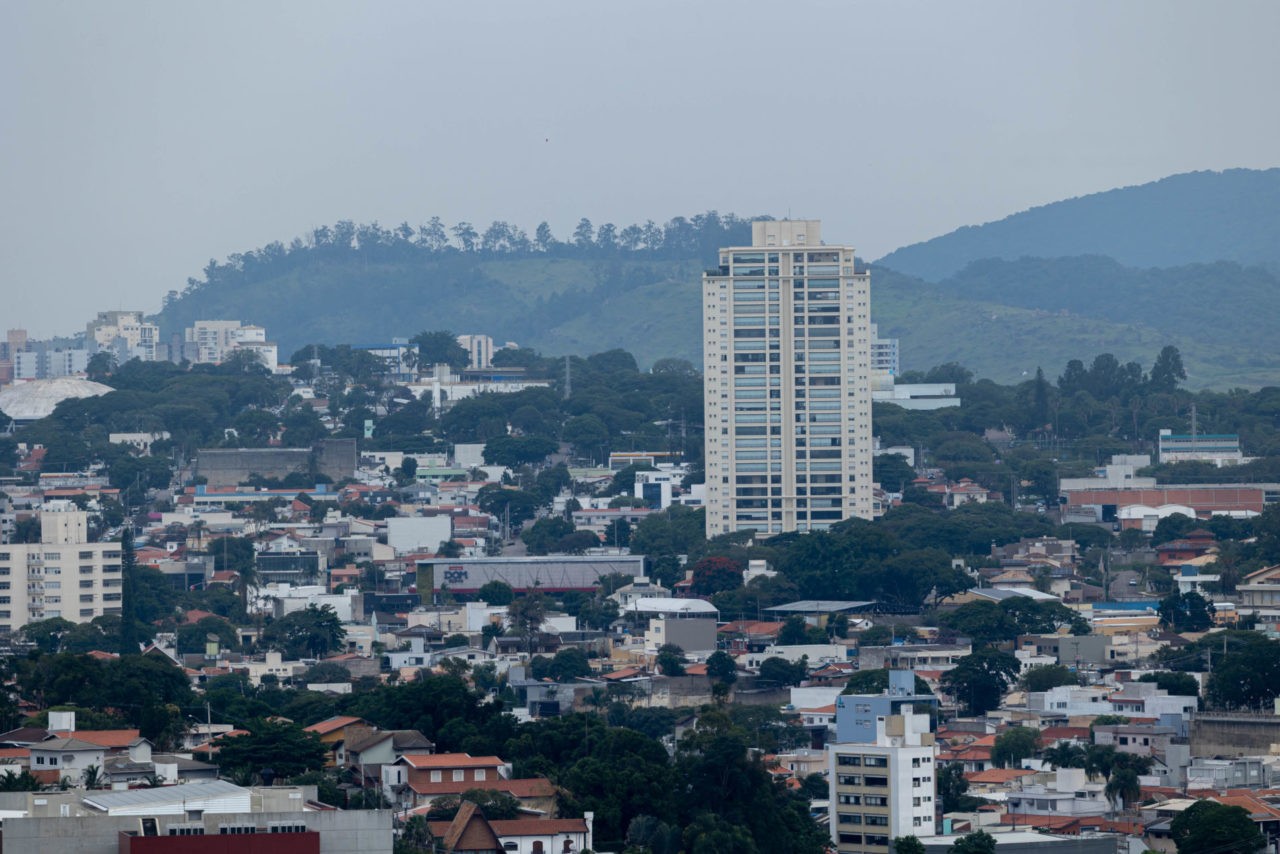
Jundiaí's Civil Defense has issued a warning about the ongoing dry season, characterized by low humidity and an increased risk of vegetation fires. Meteorological forecasts indicate predominantly sunny weather with few clouds and no significant rainfall expected in the coming days. Afternoon humidity levels may drop below 30%, posing a health concern for residents. The dry air exacerbates respiratory illnesses, dries out airways, eyes, and skin, and significantly elevates the risk of fires. The Civil Defense reminds the public that setting fires or burning trash is illegal in Jundiaí, as it causes environmental damage, harms public health, and can endanger homes. To mitigate the effects of dry weather, the public is advised to drink plenty of water, humidify indoor environments, avoid strenuous outdoor activity between 11 AM and 5 PM, and seek shaded, wooded areas. Additionally, physiological saline should be used for nasal and eye dryness. A notable temperature drop is anticipated starting Thursday, bringing cooler mornings and nights, especially during the extended holiday weekend. By Sunday, the approach of a cold front is expected to increase cloud cover and bring rain back to the Jundiaí region, potentially with thunderstorms and gusty winds. Residents can subscribe to free Civil Defense weather alerts by texting their ZIP code to 40199.
The alert from Jundiaí's Civil Defense highlights the recurring challenge of managing dry seasons, particularly concerning public health and environmental safety. The interplay between low humidity, elevated fire risk, and respiratory health underscores the need for proactive public awareness campaigns and robust municipal infrastructure for fire prevention and response. As climate patterns shift, the frequency and intensity of such conditions may increase, prompting a review of long-term urban planning and resource allocation strategies. The SMS alert system offers a scalable model for disseminating critical information, but its effectiveness relies on broad public adoption and integration with broader emergency management protocols. Future preparedness may involve exploring technological solutions for early fire detection and implementing stricter enforcement mechanisms against illegal burning, balancing immediate safety concerns with the broader environmental and public health implications.
AI-generated to prompt reflection — not editorial opinion, not advice, not a statement of fact. How this works.