Jundiaí LGBTQ+ group questions parade ban on major avenue, citing religious event approval
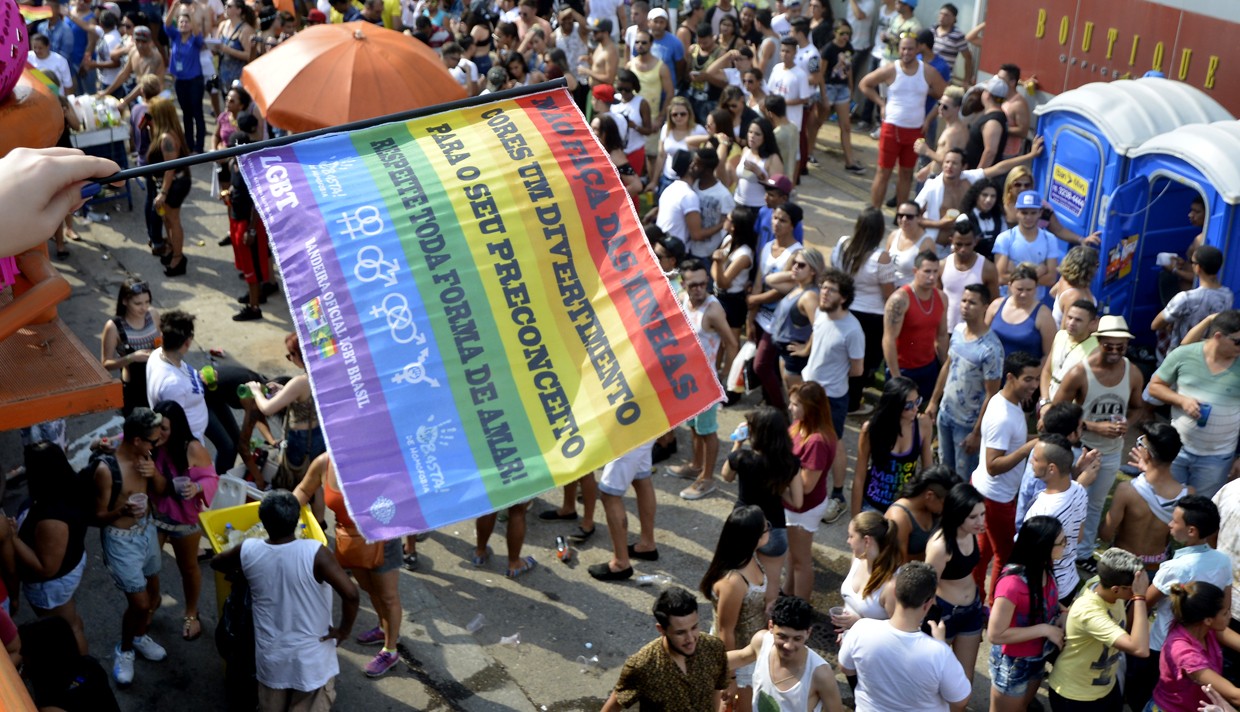
The Aliados Movement, organizers of Jundiaí's 21st LGBTQIAPN+ Pride Parade, is challenging the city hall's denial of their request to use Avenida Nove de Julho for their event on September 27. The group alleges unequal treatment, pointing out that the same avenue was approved for the "Marcha para Jesus" religious event, scheduled for November 14. The mayor, Gustavo Martinelli, had publicly supported the religious event, which is slated to begin on Avenida Nove de Julho. The city's Secretariat of Mobility and Transit denied the parade's request on June 18, citing technical assessments of traffic impact. These included the avenue's importance as a route for emergency vehicles, its average Sunday traffic of 830 vehicles per hour, and its use by public transportation. The city proposed Avenida União dos Ferroviários as an alternative, noting its suitability for large events. The Aliados Movement stated they presented a technical plan for safety and accessibility and emphasized their dispute is not with the Marcha para Jesus, but with the principle of equal treatment for public events. The issue has gained attention from federal deputy Erika Hilton and activist Sofia Favero. Jundiaí city hall maintains that all requests are reviewed individually based on technical criteria, and they remain open to dialogue with organizers to find safe solutions.
This situation highlights a potential tension between public event management and the principle of equal treatment for diverse community gatherings. The city's justification for denying the LGBTQ+ parade centers on technical traffic and public safety concerns for Avenida Nove de Julho, citing its role in emergency services and public transport. However, the approval of a large religious event on the same avenue raises questions about the consistent application of these criteria. Future event planning frameworks could benefit from greater transparency and standardized protocols to ensure equitable access to public spaces, regardless of the nature of the event. This approach would mitigate perceptions of bias and foster greater community trust in municipal governance, particularly as cities increasingly host a variety of public demonstrations and celebrations.
AI-generated to prompt reflection — not editorial opinion, not advice, not a statement of fact. How this works.