Jundiaí monitors three neighborhoods after Army recruit dies of Rocky Mountain Spotted Fever
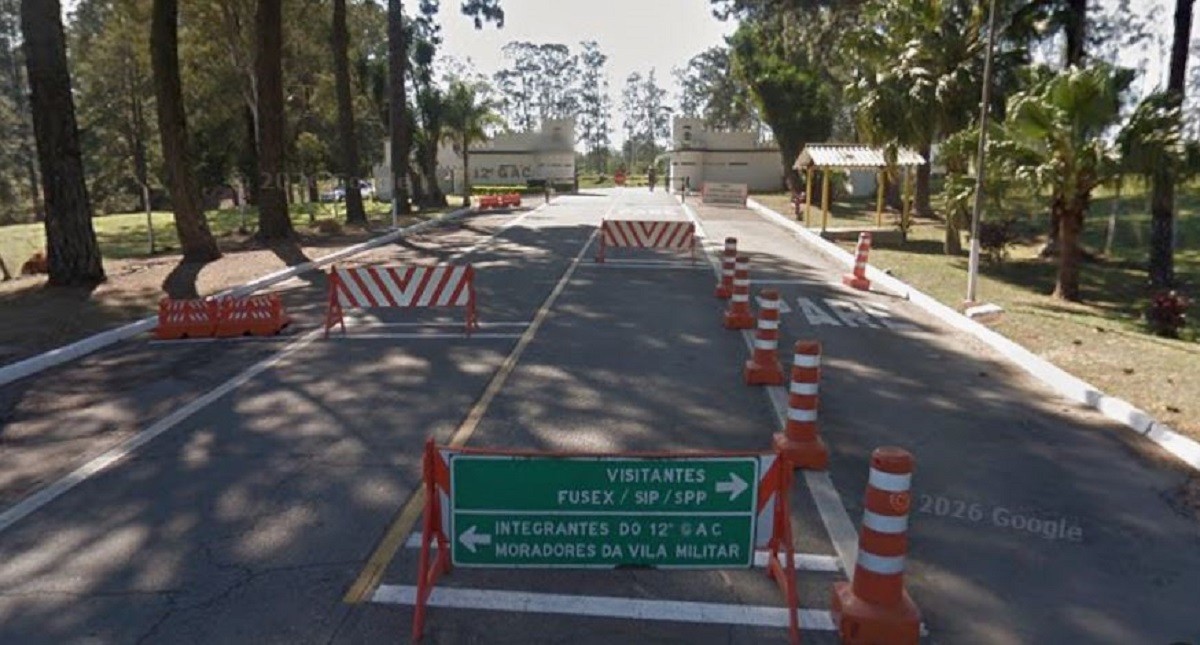
The city of Jundiaí, São Paulo, has placed three neighborhoods under epidemiological monitoring and investigation following the confirmed death of a 20-year-old Brazilian Army recruit from Rocky Mountain Spotted Fever (RMSF). Health authorities expanded the sanitary cordon on Thursday, June 2, to pinpoint the probable infection site. The recruit, identified as Pedro Henrique, a first-year student in the Sergeant Training and Graduation Course at the Army Sergeant School (ESA), died on Saturday, May 27, after contracting the disease. He had participated in military training in Jundiaí days before being hospitalized with symptoms. The Army confirmed his death on Monday, May 29. The risk area, encompassing the Terra Nova, Vila Militar, and Castanho neighborhoods, was mapped by the Epidemiological Surveillance and Environmental Health Surveillance teams. Officials stated that the exact location of the tick bite remains undetermined, as the assessment covers the entire wooded area the group traversed. The Army expressed condolences, initiated an internal procedure to review field activities, and pledged psychological and financial support to the family. The recruit began experiencing fever and pain on June 17, was transferred to the São Paulo Military Hospital due to worsening symptoms, but succumbed to complications. The city confirmed the death on Tuesday, May 30, with laboratory confirmation from the Adolfo Lutz Institute communicated by the Epidemiological Surveillance Group on June 26. RMSF is a severe infectious disease caused by bacteria transmitted by the 'carrapato-estrela' (star tick), not directly person-to-person. Symptoms, appearing two to 14 days post-bite, include high fever, chills, intense headache, muscle pain, nausea, vomiting, and diarrhea. Due to symptom overlap with flu or dengue, it's crucial to inform healthcare providers about recent exposure to wooded or grassy areas. Prevention measures include wearing long sleeves and pants, using repellents with Icaridin, conducting self-examinations every two hours in risk areas, and maintaining short grass in yards.
The death of the Army recruit from Rocky Mountain Spotted Fever highlights the persistent challenge of vector-borne disease transmission in areas where human activity intersects with natural habitats. Public health responses, such as epidemiological monitoring and risk area mapping, are critical but depend on timely reporting and accurate identification of exposure points. The Army's internal review and support for the family are appropriate institutional responses. Looking ahead, integrating advanced environmental monitoring with public health surveillance could offer earlier detection of tick populations and potential infection hotspots, thereby enabling more proactive interventions. Furthermore, educational campaigns emphasizing personal protective measures and environmental hygiene in semi-rural and natural settings are vital for mitigating future risks in an era of increasing human encroachment on wildlife territories.
AI-generated to prompt reflection — not editorial opinion, not advice, not a statement of fact. How this works.