Jundiaí's Festa Julina 2026: Parque da Uva to Host Major National Artists
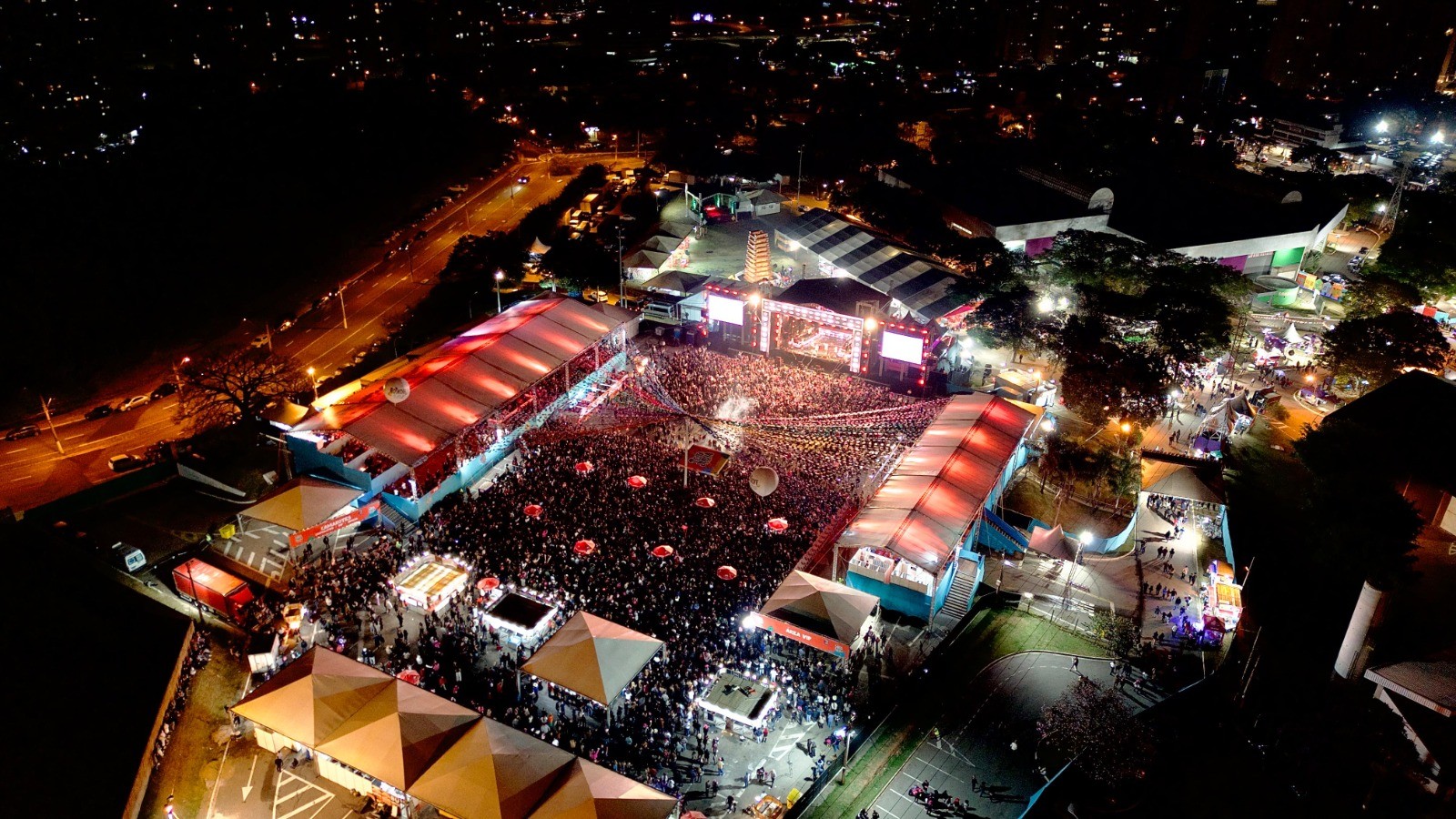
Jundiaí, Brazil, is gearing up for its annual Festa Julina, a significant winter celebration set to take place at the traditional Parque da Uva on July 18, 19, 25, and 26, 2026. This event, supported by GAC Stefanini, is renowned for attracting thousands of visitors and has become a benchmark in the region's event calendar. Beyond national music acts, attendees can expect a comprehensive entertainment setup including a food court, amusement park, kids' zone, cultural attractions, and various social areas. The musical lineup features prominent Brazilian artists across diverse genres like sertanejo, pagode, forró, and piseiro. The festival kicks off on July 18 with performances by sertanejo singer Gustavo Mioto and the pagode group Turma do Pagode. July 19 will feature piseiro and forró artist Natanzinho Lima. A highly anticipated night on July 25 will showcase Ana Castela, known as "Boiadeira," alongside Filho do Piseiro, blending sertanejo, agronejo, and popular music. The festival will conclude on July 26 with a performance by Menos é Mais, a popular new-generation pagode group. The Festa Julina offers more than just music, providing a complete experience with typical regional cuisine, a funfair, cultural activities, and family-friendly spaces. Various ticket options are available, ranging from general access to VIP and premium box seats, including an exclusive open bar option for those over 18. The event plays a crucial role in boosting local tourism and the economy by attracting visitors and stimulating businesses like hotels and restaurants. Tickets are currently on sale through the official website, with early purchase recommended due to high demand.
The Festa Julina de Jundiaí exemplifies a well-established model for regional cultural and economic stimulation through large-scale public events. By integrating diverse entertainment, food, and family-oriented activities, the festival aims to maximize broad appeal and attendance. The tiered ticketing structure, including premium and open bar options, suggests a strategy to capture revenue from various consumer segments, balancing accessibility with exclusivity. Such events, while fostering community and local commerce, also present logistical challenges and require careful management of public resources and safety. Looking ahead, the integration of digital platforms for ticketing and promotion, as seen with the official website and social media presence, highlights a modern approach to event management, crucial for sustained success in an increasingly digitalized entertainment landscape. The event's continued success hinges on its ability to adapt to evolving consumer preferences and maintain its appeal across different demographic groups.
AI-generated to prompt reflection — not editorial opinion, not advice, not a statement of fact. How this works.