Jundiaí's Festa Julina 2026 to Feature Ana Castela, Filho do Piseiro, and More
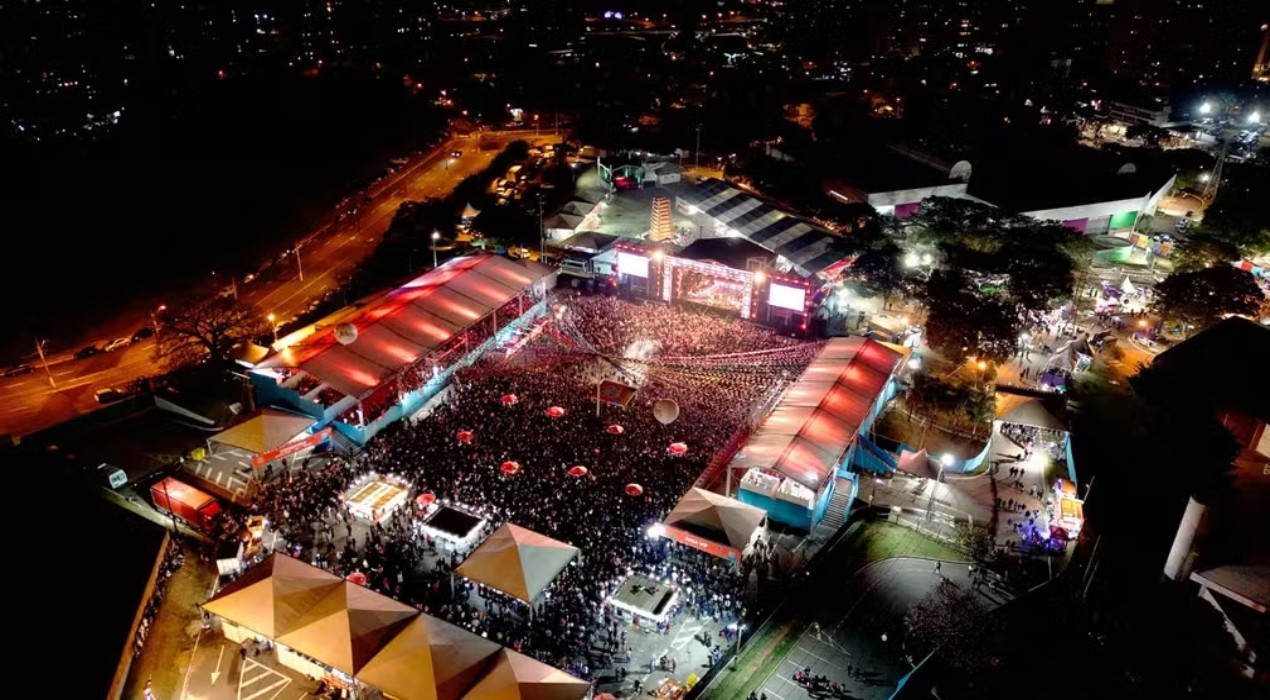
The Festa Julina de Jundiaí 2026, a major celebration in the interior of São Paulo, has announced its dates and star performers. The festival will take place over four weekends in July: the 18th and 19th, and the 25th and 26th. Held at the traditional Parque da Uva, gates open at 12 PM daily, with main shows commencing at 8 PM. The event aims to boost regional tourism and economy by blending culture, traditional cuisine, and entertainment, featuring a complete food court, amusement park, kids' area, and local cultural presentations. Tickets are currently available for purchase online. The main stage lineup is designed to appeal to various generations with popular music genres. Saturday, July 18th, will feature sertanejo artist Gustavo Mioto and the pagode group Turma do Pagode. Sunday, July 19th, is dedicated to forró and piseiro with Natanzinho Lima. The highly anticipated Saturday, July 25th, will showcase the "Boiadeira" Ana Castela and the viral sensation Filho do Piseiro, attracting a younger audience. The festival will conclude on Sunday, July 26th, with the pagode group Menos é Mais. Additionally, the "Festival das Bandeirinhas" will involve over 4,000 municipal school students creating decorations, fostering a connection between youth and Brazilian popular traditions. Local culture will also be highlighted through regional crafts and gastronomy, with offerings from "Jundiaí Feito à Mão," "Galpão Criativo," "Rota Afro," and "Clube de Mães Atípicas."
The Festa Julina de Jundiaí 2026 exemplifies a common strategy for regional festivals: leveraging popular music acts to drive economic activity and cultural engagement. By curating a diverse lineup spanning sertanejo, pagode, forró, and piseiro, organizers aim to maximize audience reach across demographics, a prudent approach in a competitive entertainment landscape. The integration of local crafts and student-led initiatives like the "Festival das Bandeirinhas" demonstrates a commitment to community building and cultural preservation, potentially fostering long-term local identity and pride. The tiered ticketing structure, including an exclusive open bar option for adults, reflects a sophisticated revenue generation model while necessitating strict age verification to comply with regulations. This event's success will likely hinge on balancing broad commercial appeal with authentic local flavor, a delicate equilibrium that defines many successful cultural celebrations.
AI-generated to prompt reflection — not editorial opinion, not advice, not a statement of fact. How this works.