Jundiaí's Pink Niagara Grape: A Sweet and Fragrant Legacy
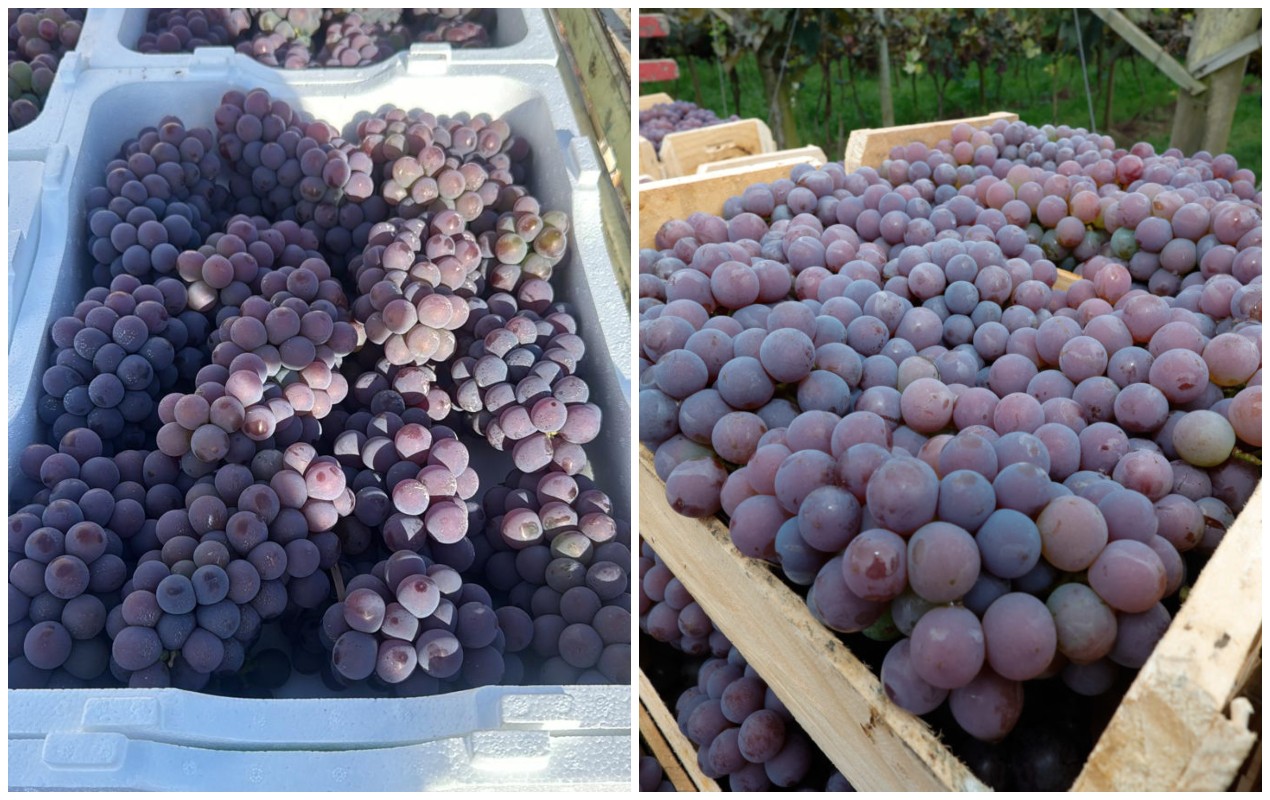
The Pink Niagara grape, a unique mutation discovered in Jundiaí, São Paulo, in 1933, has become instrumental in establishing the city's reputation as the 'Grape City.' This versatile fruit, known for its balanced sweetness and acidity, is celebrated for its distinct fragrance, making it ideal for fresh consumption. Producer Adalberto de Oliveira highlights that while much of the harvest is eaten raw, there's a growing demand for products like juice, wine, and sparkling wine made from this variety. His family winery has cultivated the Pink Niagara for decades, employing specialized techniques such as Y-shaped vine trellising, grafting, pruning, and the use of growth regulators to ensure high-quality clusters. Chemical and biological pesticides are used during the sprouting phase to combat diseases, alongside meticulous leaf cleaning and the removal of lateral shoots to optimize fruit development and nutrient allocation. The careful cultivation and harvesting process, which includes evaluating cluster size and maturity, earned Adalberto third place in the Pink Niagara Grape Packaging category at the traditional Jundiaí Grape Festival. The Pink Niagara Rosada de Jundiahy is a significant cultural symbol for Jundiaí, originating from a spontaneous mutation of the White Niagara grape. Currently, out of 974 rural properties in Jundiaí, approximately 400 are dedicated to grape cultivation. To honor the grape's historical and agricultural importance, the Jundiaí City Hall will erect a monument featuring a wooden barrel that will house a permanent exhibition on the fruit's history, viticulture, and the Grape Festival.
The recognition of Jundiaí's Pink Niagara grape with a Geographical Indication highlights the value of regional specialization and agricultural heritage. The cultivation techniques described, from vine management to pest control, demonstrate a sophisticated approach to optimizing yield and quality, reflecting industry best practices. The planned monument signifies the grape's integration into the city's cultural identity, potentially boosting local tourism and economic development. Looking ahead, the sustained demand for both fresh consumption and processed products suggests opportunities for innovation in value-added goods and marketing strategies. Ensuring the long-term sustainability of these cultivation methods, especially concerning the use of agricultural inputs and water resources, will be crucial for maintaining the grape's quality and the region's environmental health in the face of evolving climate patterns and consumer preferences.
AI-generated to prompt reflection — not editorial opinion, not advice, not a statement of fact. How this works.