Jundiaí students' breast cancer research project selected by NASA for space study
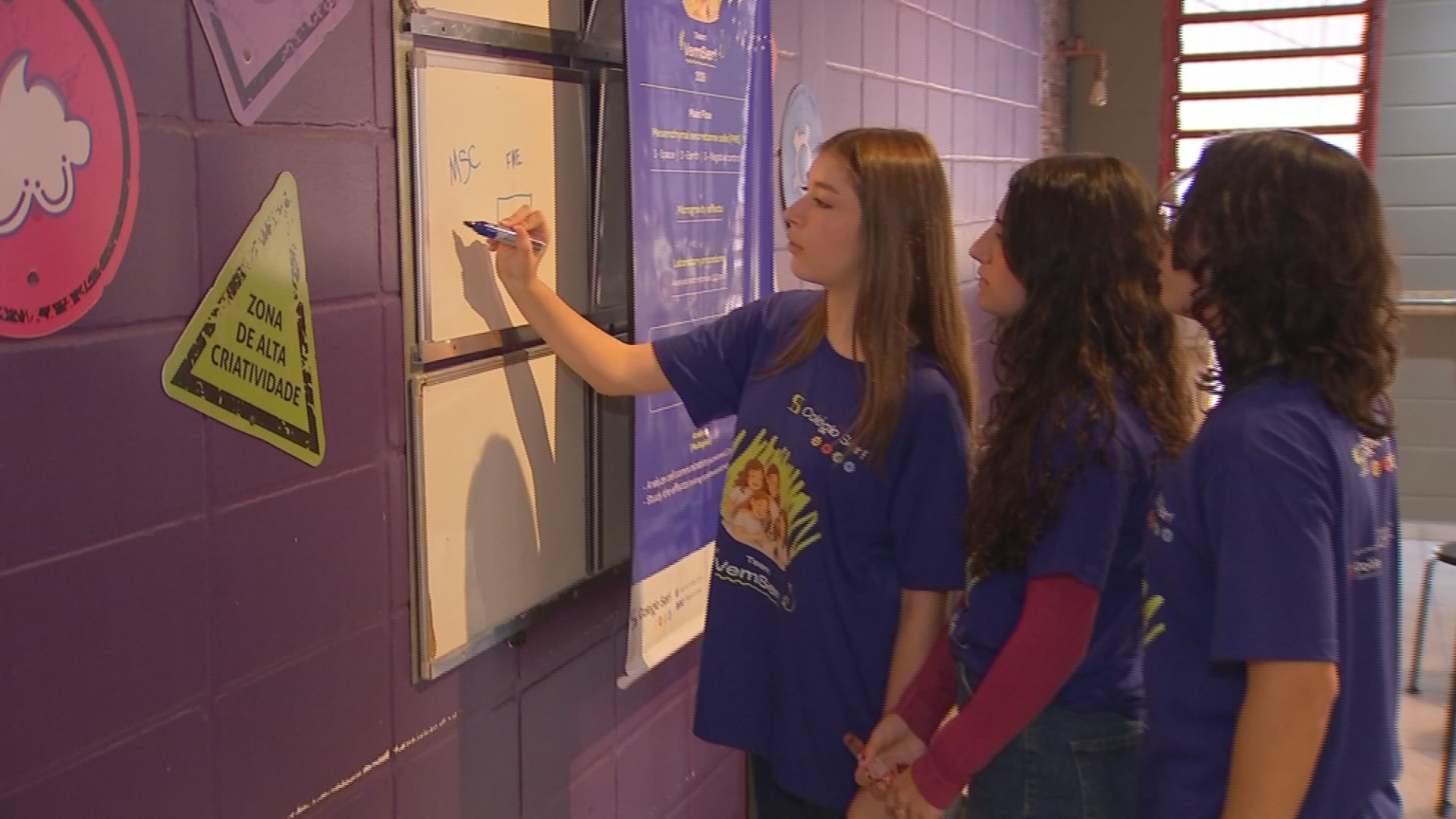
A group of female students from a private school in Jundiaí, São Paulo, Brazil, has had their research project approved by NASA for an international competition. The project aims to investigate the influence of gravity on breast cancer cells. The students, aged 14 to 15, have been invited to present their findings to scientists in the United States. Their initiative was the sole Brazilian entry to win the student contest in 2026. One team member, Sara Lourenço, explained that their experiment involves sending a substance called secretome, which facilitates cell communication, to the International Space Station for 14 days. Upon its return, the secretome will be analyzed from two groups of breast cancer cells: one aggressive and one less severe. The students anticipate that the research results will form a foundation for future studies and potentially guide treatment strategies. The inspiration for this project stemmed from a personal connection: a beloved English teacher at their school was recently diagnosed with a type of cancer they are studying. The project is also a tribute to her. Another participant, Beatriz Herculano, shared that the team's mascot, a dog named Judite, also underwent and recovered from cancer treatment. The launch of the experiment is slated for 2027, but the students' upcoming trip to the Kennedy Space Center in Florida marks a significant step. The school's pedagogical coordinator, Fabrício Faria, expressed immense pride in the students' achievement, highlighting the potential for school-based initiatives to reach international scientific validation. For 14-year-old Lavínia Berti, the award is a source of inspiration, knowing she is contributing to women's health and encouraging other young girls.
This student-led initiative, recognized by NASA, highlights the potential for early-stage scientific inquiry driven by personal motivation and accessible educational environments. The project's focus on gravity's effect on cancer cells, while preliminary, aligns with broader scientific interest in understanding cellular behavior under altered physical conditions, which could inform future therapeutic approaches. The students' engagement with complex biological research at a young age underscores the importance of STEM education and mentorship. The dual inspiration, from a teacher's personal battle and a pet's recovery, demonstrates how empathy and lived experience can catalyze scientific curiosity and drive. This endeavor also serves as a powerful example of how educational institutions can foster innovation and provide platforms for young minds to contribute to global scientific endeavors, potentially influencing future career paths and the direction of medical research.
AI-generated to prompt reflection — not editorial opinion, not advice, not a statement of fact. How this works.