Jupiter-like Planet Orbiting Dead Star Offers Clues to Solar System's Future
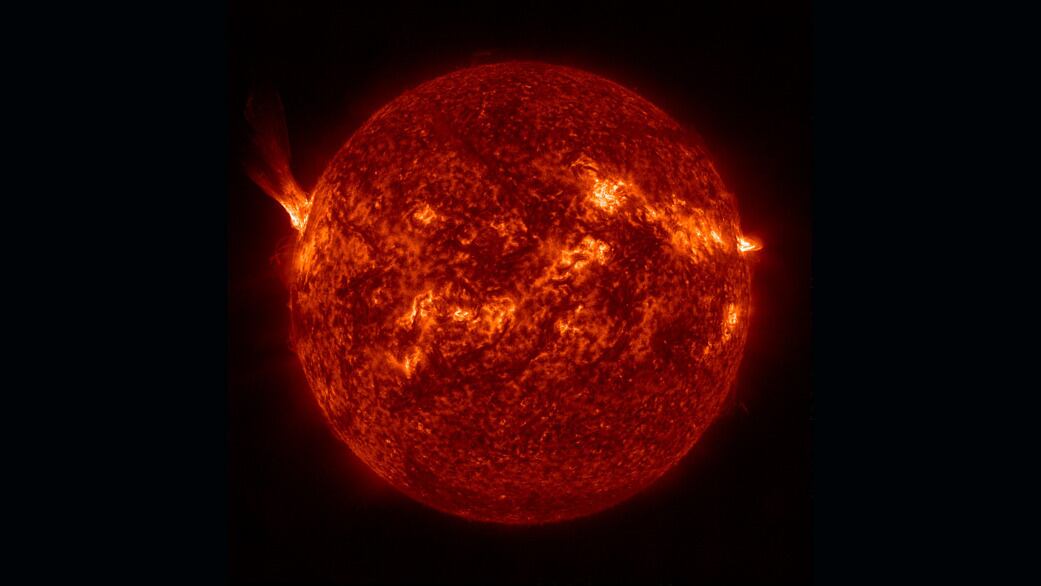
A Jupiter-like planet orbiting a dead star is providing insights into the future of our solar system, according to an international research team. The findings were published in the journal Nature. This exoplanet orbits a white dwarf star, which is the remnant of a star like our Sun after it has exhausted its nuclear fuel. The discovery suggests that planetary systems can survive the death of their host stars. Researchers are studying this system to better understand the long-term evolution of planetary bodies and their potential to persist even after stellar demise. This observation offers a unique opportunity to study the dynamics of a planetary system in its post-stellar evolution phase. The presence of such a planet around a white dwarf challenges previous assumptions about the survivability of planets in such environments. The study aims to shed light on the ultimate fate of planets within our own solar system when the Sun eventually becomes a white dwarf.
This discovery highlights the remarkable resilience of planetary systems, suggesting that celestial bodies can endure the stellar life cycle's terminal phases. Studying exoplanets orbiting white dwarfs offers a tangible preview of our own solar system's distant future, approximately five to seven billion years from now. It prompts consideration of the long-term stability of planetary orbits and the potential for life's persistence or adaptation across cosmic timescales. Understanding these dynamics is crucial for developing predictive models of planetary system evolution and assessing the universal prevalence of enduring planetary environments.
AI-generated to prompt reflection — not editorial opinion, not advice, not a statement of fact. How this works.