Jurassic Park Actor Sam Neill Dies at 78
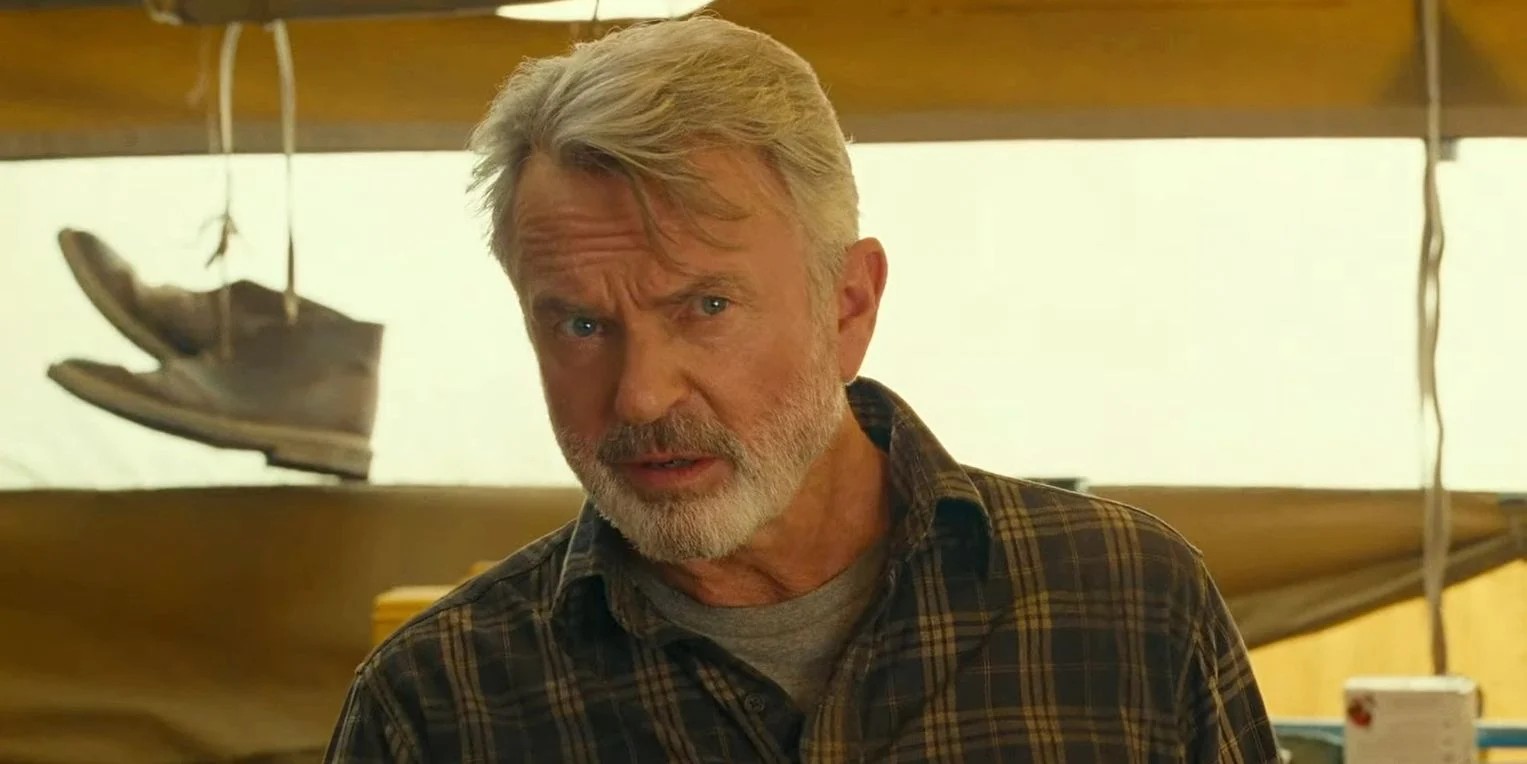
New Zealand actor Sam Neill, widely recognized for his role in "Jurassic Park," passed away on Monday, May 13th, in Sydney, Australia. His family confirmed the news through a heartfelt statement on social media, expressing immense sadness at his passing. The statement noted that Neill was surrounded by loved ones and departed with the dignity that characterized his life, finding comfort in the knowledge that he was free from cancer.
Neill had recently announced his recovery from cancer after a five-year battle, attributing his remission to a gene therapy that bolstered his immune system. In his 2023 memoir, he had candidly shared his prognosis, stating he was "possibly dying" after being diagnosed with stage three non-Hodgkin lymphoma. An interview aired shortly before his death revealed that chemotherapy had become ineffective, leading him to undergo CAR-T therapy, a treatment involving genetically modified immune cells. He expressed his joy at being cancer-free following this treatment and advocated for increased government funding for such therapies in Australia.
With a career spanning the 1970s, Sam Neill amassed a significant body of work in film and television, including notable roles in "Peaky Blinders" and "The Piano."
The passing of Sam Neill, a prominent figure in cinema, highlights the advancements and ongoing challenges in cancer treatment. His personal advocacy for gene therapy, specifically CAR-T, underscores the potential of personalized medicine to offer hope and remission in cases where traditional treatments falter. This situation prompts reflection on equitable access to cutting-edge medical interventions and the critical need for sustained investment in research and development. As gene therapies become more sophisticated, questions arise regarding their long-term efficacy, cost-effectiveness, and the regulatory frameworks required to ensure patient safety and widespread availability. The narrative also serves as a reminder of the human element within medical breakthroughs, emphasizing the importance of patient resilience and the profound impact of innovative treatments on lives and families.
AI-generated to prompt reflection — not editorial opinion, not advice, not a statement of fact. How this works.