Jurors Visit Home in Lindsay Clancy Child Homicide Case
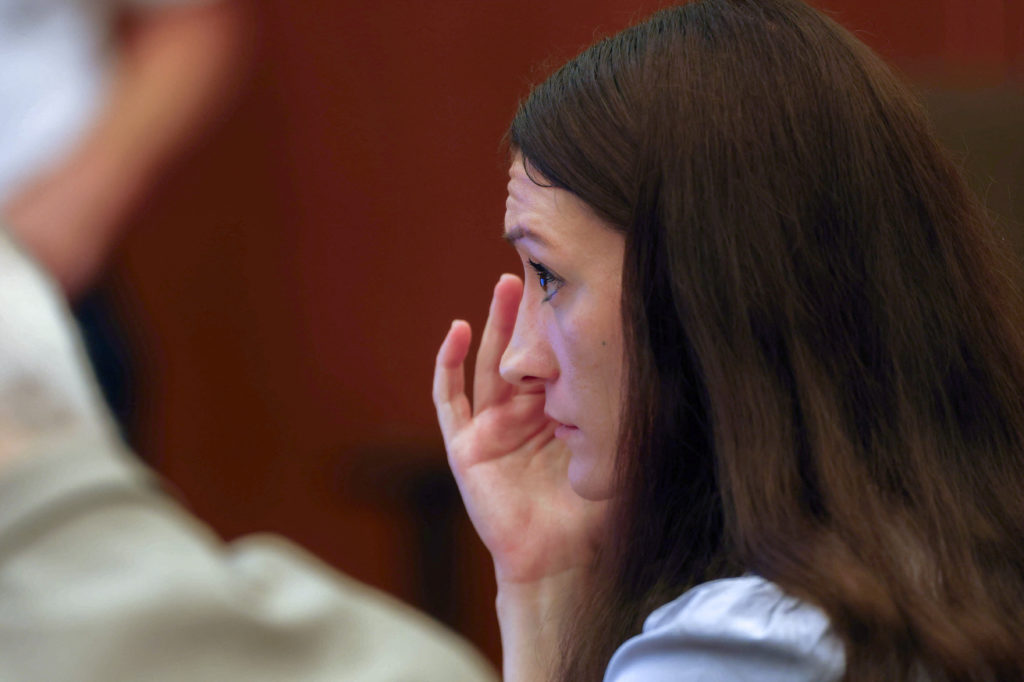
Jurors in the trial of Lindsay Clancy, who is accused of killing her three young children, were permitted to visit the family's former home in Duxbury, Massachusetts. This visit marks a significant moment in the legal proceedings, allowing the jury to visualize the environment where the alleged crimes took place. Typically, jurors in U.S. criminal cases are instructed to avoid visiting crime scenes to prevent potential bias or undue influence from the physical location. However, in this specific instance, the court allowed the jury to tour the residence. Clancy, a former nurse, faces charges including two counts of murder and three counts of assault and battery with a deadly weapon. The prosecution alleges she intentionally caused the deaths of her children, Cora, 5, Dawson, 3, and Callan, 8 months, on January 24, 2023. The defense has indicated they plan to argue that Clancy was suffering from postpartum psychosis at the time of the incident. The visit to the home is intended to provide the jury with context and a better understanding of the spatial relationships and circumstances surrounding the tragic events. The trial continues as both sides present their cases.
The decision to allow jurors to visit the crime scene in the Lindsay Clancy case, deviating from common practice, highlights a judicial balancing act between providing crucial context and mitigating potential prejudice. While such visits can offer invaluable spatial understanding, they also carry the risk of emotional impact influencing objective deliberation. The legal system's approach to evidence, particularly in cases involving severe mental health claims, continually evolves to accommodate complex human factors. Future legal frameworks may explore more standardized, yet sensitive, methods for jurors to comprehend the physical environment without compromising impartiality, especially as societal understanding of mental health conditions grows.
AI-generated to prompt reflection — not editorial opinion, not advice, not a statement of fact. How this works.