Juruti River Communities Oppose Amazon River Dredging, Demand Environmental Studies
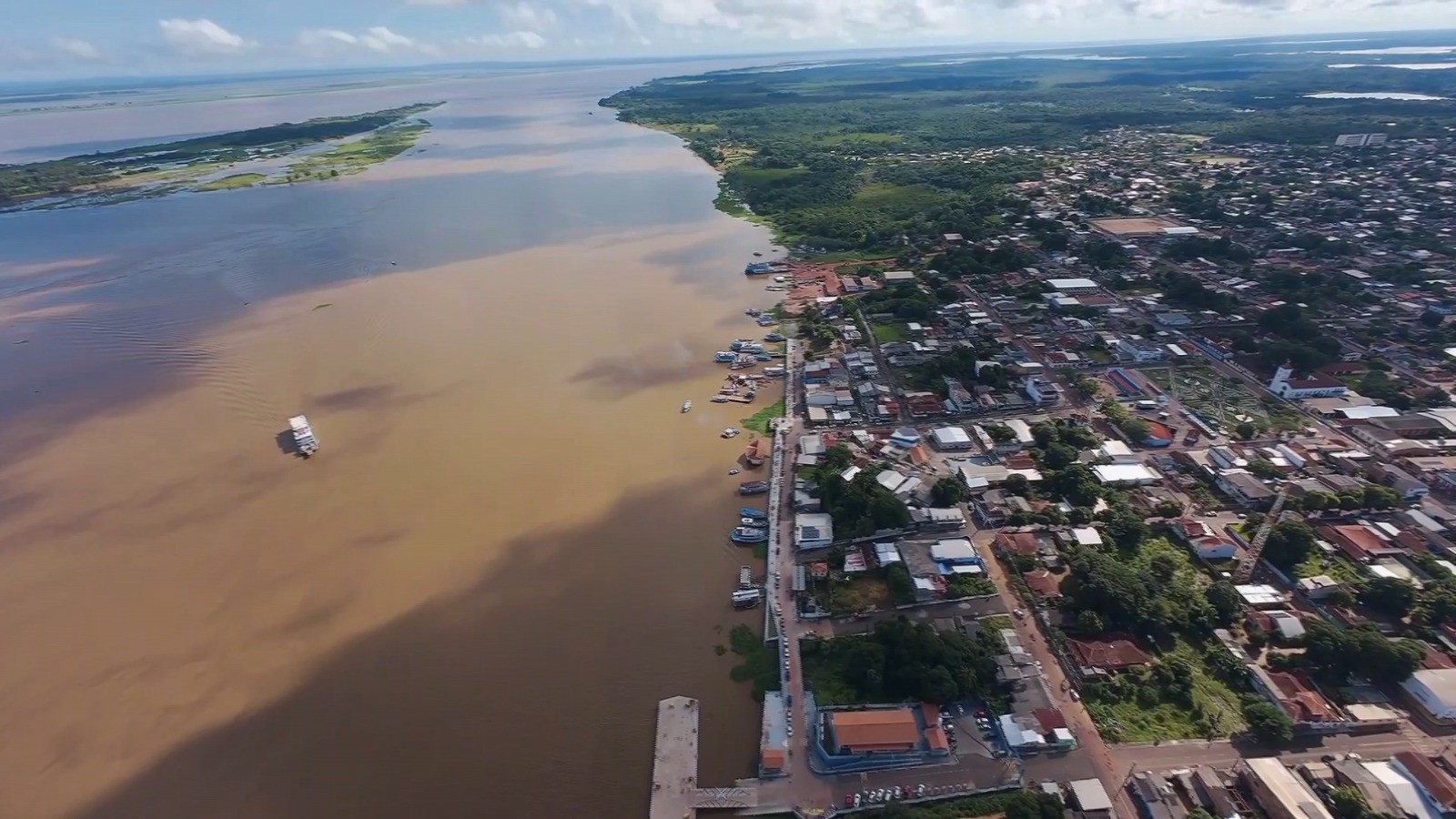
Riverine communities in Juruti, western Pará, Brazil, are contesting the imminent start of dredging operations on the Amazon River. The Coordination of Communities Directly Affected by the Dredging of the Amazon River (CDID), representing over 13 local communities, has expressed strong opposition, questioning both the environmental licensing process and the technical studies conducted. Alcoa, the company involved, announced the dredging would begin soon, a move that contradicts the communities' stance and a prior agreement for six months' notice. The CDID also criticizes the state's environmental agency, Semas, for planning an inspection that omits crucial pre-dredging environmental and social data collection, hindering impact assessment. They insist that dredging should not proceed before Semas presents results from studies covering all phases of the intervention. The CDID has condemned the state's environmental license, citing insufficient technical and social backing. The Federal Public Ministry (MPF) is also investigating, prompted by the Amazon River's status as federal property and potential impacts on traditional populations. Previous MPF investigations in November 2025 identified severe socio-environmental issues, including water contamination, reduced fish stocks, siltation, and agricultural land loss. The MPF has recommended annulling the current environmental authorization (AU nº 5882/2025), which allows for the removal of up to 7 million cubic meters of sediment until June 2027, arguing it was granted without assessing cumulative impacts. The MPF has contacted Alcoa regarding the operation's timeline, as the company had previously indicated a delay until August 2026. The Ministry emphasizes that proceeding without necessary environmental studies violates environmental precaution principles. The Juruti Municipal Secretariat of Environment is monitoring the process and maintaining dialogue, though state-level Semas holds licensing authority. Alcoa maintains that the dredging complies with legislation and existing licenses, and that it conducts ongoing environmental monitoring and mitigation programs, respecting local communities and authorities.
The conflict between riverine communities and industrial dredging in Juruti highlights a recurring tension between economic development and environmental stewardship in the Amazon basin. The communities' demands for comprehensive environmental and social impact studies, alongside the MPF's concerns about cumulative effects and inadequate licensing, point to systemic governance challenges. The current approach, relying on simplified environmental reports for significant interventions, risks underestimating ecological and social costs, potentially leading to long-term degradation. Moving forward, a robust, transparent, and participatory environmental assessment framework is crucial. This framework should not only adhere to precautionary principles but also integrate climate impact studies, acknowledging the Amazon's critical role in regional and global climate regulation. Future planning must prioritize long-term ecological integrity and community well-being over short-term economic gains, fostering a more sustainable coexistence between industry and the vital Amazonian ecosystem.
AI-generated to prompt reflection — not editorial opinion, not advice, not a statement of fact. How this works.