Jury Acquits Police Officer Accused of 2010 Homicide in Viana
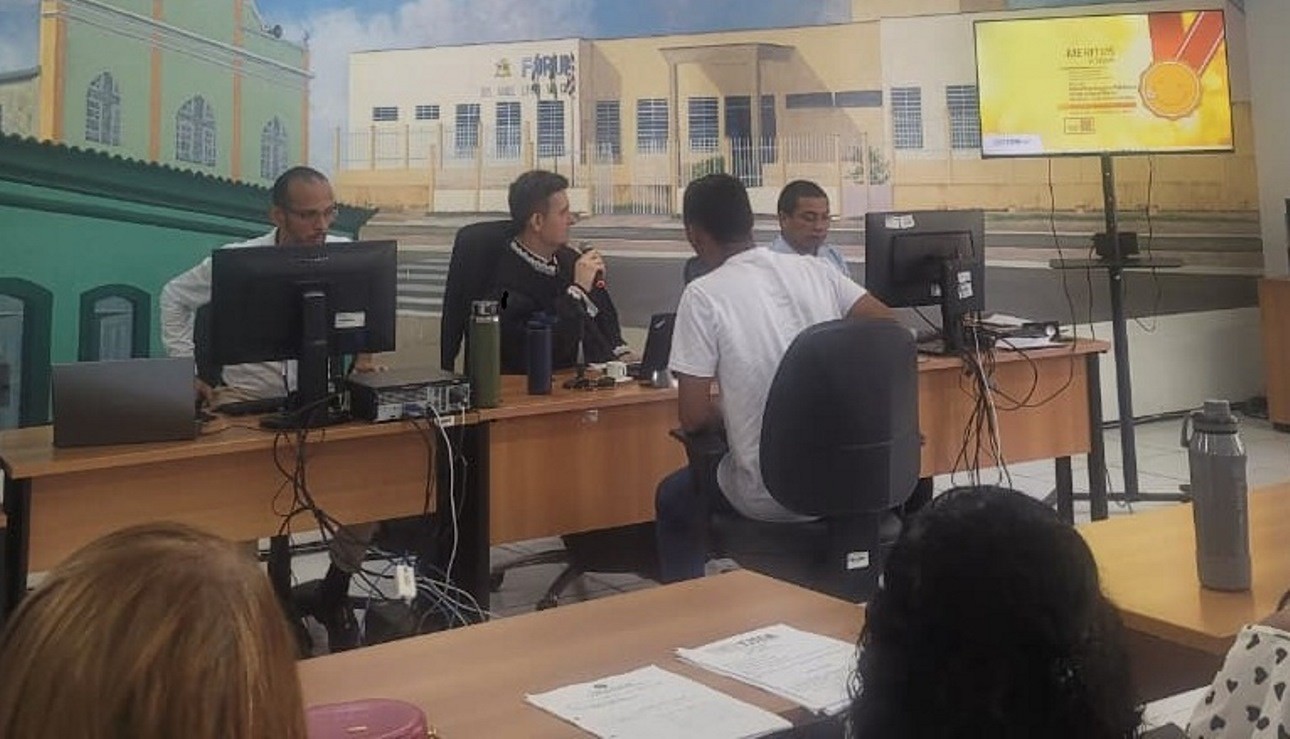
A jury has acquitted a police officer, Hélio de Jesus Lindoso Costa, 57, of qualified homicide charges in the 2010 death of Salomão dos Santos Mineiro. The incident occurred in Viana, Maranhão, during a traffic dispute. The trial took place on Monday, February 14th, at the Desembargador Manoel Lopes da Cunha Forum. Jurors acknowledged the crime's materiality and authorship but accepted the defense's argument for privileged homicide, leading to the acquittal. The prosecution, represented by Frederico Joviano dos Santos, had accused Costa of killing Mineiro with a single shot to the chest after an argument. The dispute began when Mineiro accidentally struck Costa's car while attempting to park. Mineiro was driving his brother-in-law Genivam's car, and Genivam had offered to pay for the damages. However, Mineiro reportedly refused to cover the costs, escalating the confrontation into a physical altercation where he was shot. Costa claimed self-defense, stating Mineiro fired first, but the court noted no witnesses corroborated this claim. The defense, led by lawyer José de Alencar Alves, successfully argued for privileged homicide, leading to the jury's decision to absolve Costa of the qualified homicide charge.
This case highlights the complexities of legal proceedings involving alleged use of force by law enforcement. The jury's decision to acquit the officer, despite acknowledging the crime's materiality and authorship, underscores the legal principle of privileged homicide. This outcome suggests the jury found sufficient evidence to support the officer's claim of acting under circumstances that mitigated culpability, potentially related to the perceived threat during the altercation. The nearly 16-year delay between the incident and the verdict also raises questions about judicial efficiency and the impact of protracted legal processes on justice for all parties involved. Future considerations for such cases might include exploring mechanisms for faster resolution and ensuring all evidence, including witness accounts and forensic data, is presented and evaluated promptly to uphold public trust in the justice system.
AI-generated to prompt reflection — not editorial opinion, not advice, not a statement of fact. How this works.